
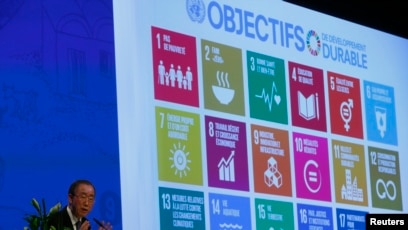
The 2030 Agenda for Sustainable Development
In 2015, United Nations member states adopted the 2030 Agenda for Sustainable Development, a shared plan for improving lives and protecting the planet. At its center are 17 Sustainable Development Goals (SDGs), supported by 169 targets. The goals address connected challenges such as poverty, hunger, health, education, inequality, climate change, and access to clean water and energy.
The agenda is ambitious, but its central idea is straightforward: social progress, economic development, and environmental protection must advance together. A stronger economy is not sustainable if it depends on damaging ecosystems, and environmental policies are not equitable if they leave vulnerable communities behind.
Five Broad Areas of Action
The agenda is often described through five themes, known as the “Five Ps”:
- People: End poverty and hunger, support health and education, and promote dignity and equality.
- Planet: Protect natural resources, address climate change, and safeguard ecosystems for future generations.
- Prosperity: Help people live fulfilling lives and encourage economic and technological progress in balance with nature.
- Peace: Promote safe, inclusive societies, access to justice, and accountable institutions.
- Partnership: Strengthen cooperation among governments, businesses, communities, and individuals to achieve the goals.
A Universal Agenda
Unlike earlier international development frameworks that focused primarily on lower-income countries, the SDGs apply to every country. Each nation faces its own circumstances, but all are called on to make progress. That means addressing challenges at home while working together on issues that cross borders, including climate change, public health, migration, and global economic stability.
The goals are also interconnected. Expanding access to quality education, for example, can support better health, reduce inequality, and open pathways to decent work. Likewise, clean energy can improve public health, create employment, and help reduce greenhouse gas emissions. Progress in one area can strengthen others, while setbacks can have effects across the entire agenda.
Turning Goals into Action
The 2030 Agenda is not a treaty that automatically imposes the same policies on every country. Governments are responsible for setting priorities, creating policies, and tracking progress in ways that reflect national conditions. Local governments, Indigenous communities, nonprofit organizations, researchers, businesses, and the public also have important roles.
Progress depends on more than setting targets. It requires reliable data, long-term investment, public participation, and institutions capable of delivering services fairly. It also requires identifying who is being left behind. National averages can hide serious differences between regions or groups, so detailed and inclusive data are essential for understanding whether progress is reaching those who need it most.
Challenges and the Road Ahead
Achieving all 17 goals by 2030 is a significant challenge. Conflict, economic instability, inequality, climate-related disasters, and limited access to financing can slow progress. In many places, improvements are uneven, and gains in one area may be offset by problems in another. The agenda’s broad scope can also make it difficult to set priorities and measure results consistently.
These difficulties do not make the goals less valuable. They make sustained cooperation and honest assessment more important. Governments can strengthen plans and public services, businesses can reduce harmful impacts across their operations and supply chains, and communities can help shape decisions that affect them. Individuals can contribute by supporting responsible policies, participating in local initiatives, and making informed choices where possible.
A Shared Framework for a Sustainable Future
The 2030 Agenda provides a common framework for thinking about what a fairer and more sustainable future could look like. Its goals are not separate tasks to complete in isolation; they describe a connected set of conditions for human well-being and a healthy planet. Meeting them will require practical action, accountability, and collaboration at every level.
As 2030 approaches, the agenda remains a useful guide for measuring progress and identifying gaps. Its lasting value will depend not only on commitments made, but on whether those commitments lead to meaningful improvements in people’s lives and the natural systems on which they depend.
7 Ways to Support the 2030 Agenda for Sustainable Development
- Learn about the 17 Sustainable Development Goals.
- Choose one goal to support in your community.
- Reduce waste by reusing and recycling.
- Save water and energy at home.
- Support fair, ethical, and local businesses.
- Promote inclusion and equal opportunities.
- Track progress and encourage leaders to act.
Learn about the 17 Sustainable Development Goals.
Start by learning about the 17 Sustainable Development Goals (SDGs), the shared United Nations framework for building a more sustainable and equitable future. The goals cover interconnected issues—from ending poverty and hunger to improving education, protecting biodiversity, and taking climate action. Understanding what each goal aims to achieve can help you see how global challenges affect your community and how progress in one area can support others. Explore the goals through trusted resources, then consider which issues matter most to you and how you can support practical action.
Choose one goal to support in your community.
Choose one Sustainable Development Goal to support in your community, such as quality education, clean water, or responsible consumption. Start by learning about local needs and connecting with a school, nonprofit, community group, or public initiative already working on the issue. Even a small, consistent contribution—like volunteering, sharing reliable information, or helping organize a neighborhood project—can make a difference. Focusing on one goal gives you a practical way to take action while supporting the broader vision of a fairer, more sustainable future.
Reduce waste by reusing and recycling.
Reducing waste through reuse and recycling is a practical way to support the 2030 Agenda for Sustainable Development, especially Goal 12: Responsible Consumption and Production. Choose reusable bags, bottles, and containers; repair or donate items instead of throwing them away; and sort recyclable materials according to local guidelines. These everyday choices conserve resources, reduce pollution, and help keep waste out of landfills.
Save water and energy at home.
Saving water and energy at home is a simple way to support the 2030 Agenda for Sustainable Development. Turn off taps when they’re not in use, fix leaks, take shorter showers, and run full loads in the dishwasher and washing machine. Reduce energy use by switching off lights and electronics, choosing efficient appliances and LED bulbs, and adjusting the thermostat when practical. These everyday habits can lower utility bills, conserve natural resources, and help reduce pollution and greenhouse gas emissions.
Support fair, ethical, and local businesses.
Supporting fair, ethical, and local businesses is a practical way to advance the 2030 Agenda for Sustainable Development. Choose businesses that treat workers fairly, source materials responsibly, reduce environmental harm, and contribute to their communities. Shopping locally can help sustain small businesses and local jobs, while asking companies about their practices encourages greater transparency and accountability. Individual choices alone cannot solve systemic challenges, but together with strong policies and responsible business practices, they can support more inclusive economies and sustainable communities.
Promote inclusion and equal opportunities.
Promoting inclusion and equal opportunities is essential to achieving the 2030 Agenda for Sustainable Development and ensuring that no one is left behind. This means removing barriers that limit access to education, health care, decent work, and civic participation—especially for people facing discrimination or poverty. Governments, businesses, and communities can advance this goal by strengthening protections against discrimination, making services accessible, and including underrepresented groups in decisions that affect them. When everyone has a fair chance to participate and thrive, societies become more equitable, resilient, and sustainable.
Track progress and encourage leaders to act.
Track progress on the Sustainable Development Goals by following reliable reports, checking local and national data, and learning which targets are advancing or falling behind. Share that information with your community and ask elected officials and other leaders what steps they are taking to address gaps. Clear questions, public feedback, and support for evidence-based policies can help keep commitments visible and encourage leaders to turn the 2030 Agenda into measurable action.