
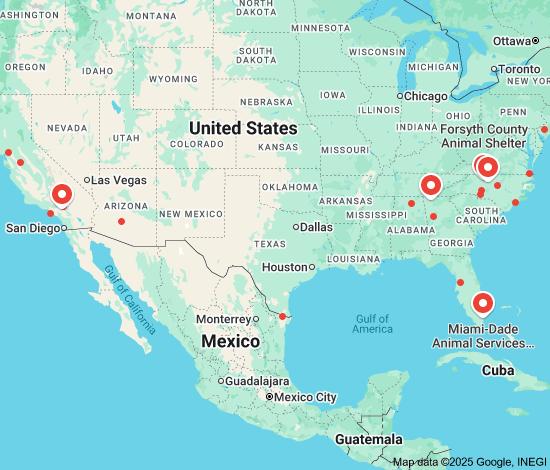
Animal Shelters: A Safe Haven for Pets in Need
Animal shelters provide temporary care and protection for dogs, cats, and other animals that have been lost, abandoned, surrendered, or rescued from unsafe conditions. Beyond offering a safe place to stay, shelters work to help animals recover, find permanent homes, and build better lives with people.
What Animal Shelters Do
Shelters provide essential services such as food, clean water, comfortable housing, and veterinary care. Staff and volunteers may arrange vaccinations, treat injuries and illnesses, and spay or neuter animals before adoption. They also help reunite lost pets with their families and provide guidance to people who are considering adopting or caring for an animal.
Many shelters also offer community programs, including pet food assistance, low-cost veterinary services, behavior support, and education about responsible pet ownership. These services can help families keep their pets and reduce the number of animals entering shelters.
Adoption Makes a Difference
Adopting from a shelter gives an animal the opportunity to join a caring home. Shelter pets come in many ages, sizes, and personalities, so prospective adopters can look for a companion whose needs and temperament fit their household. Shelter staff can often share information about an animal’s behavior, health, and care requirements.
Adoption is a long-term commitment. Before bringing a pet home, consider the time, space, daily care, and costs involved. Food, veterinary visits, exercise, training, and companionship are all part of responsible pet care. A little preparation can help make the transition easier for both the animal and the family.
How to Support a Shelter
There are many ways to help, even if adopting is not the right choice. Shelters may need volunteers to walk dogs, socialize cats, assist with events, or help with everyday tasks. Fostering an animal can provide a temporary home while the shelter finds a permanent placement. Donations of money, food, bedding, toys, and cleaning supplies may also support shelter operations.
Before donating items or signing up to volunteer, check with the shelter about its current needs and requirements. Every organization has different policies, and some supplies may not be suitable for its animals.
Finding the Right Shelter Pet
When visiting a shelter, ask questions and take time to get to know the animals. Consider your household’s routine, the experience of everyone who will care for the pet, and whether you have other animals at home. Be patient as a newly adopted pet adjusts. A quiet space, predictable routines, gentle interaction, and positive reinforcement can help build trust.
A Community Effort
Animal shelters make an important difference, but they cannot do the work alone. Adopting, fostering, volunteering, donating, and keeping pets safely identified all contribute to animal welfare. When communities support shelters and treat animals with compassion, more pets have the chance to find safety, care, and a lasting home.
Animal Shelter FAQs: Adoption, Lost Pets, Volunteering, and Support
- How do I adopt a pet from an animal shelter?
- How much does it cost to adopt a pet from a shelter?
- What should I bring when adopting a pet?
- How can I find a lost pet at an animal shelter?
- Can I volunteer or foster animals at a shelter?
- What happens to animals that are not adopted?
- How can I donate or support my local animal shelter?
How do I adopt a pet from an animal shelter?
To adopt a pet from an animal shelter, start by browsing available animals online or visiting a local shelter. Think about your lifestyle, living space, budget, and the time you can commit to care, then talk with shelter staff about an animal’s health, temperament, and needs. Most shelters ask prospective adopters to complete an application and may arrange a conversation, meet-and-greet, or home check. If approved, you’ll review and sign an adoption agreement, pay any applicable fee, and receive information about the pet’s medical care. Prepare your home with essential supplies before bringing your new companion home, and give them time to settle in.
How much does it cost to adopt a pet from a shelter?
Adoption fees vary by shelter, location, and the animal’s age and species, but they typically help cover care such as vaccinations, spaying or neutering, microchipping, and veterinary exams. Some shelters charge a few dozen dollars, while others may charge several hundred; puppies and kittens may have higher fees than adult pets. Shelters sometimes offer discounted or waived fees during adoption events. Contact your local shelter for current pricing and ask what services are included in the fee.
What should I bring when adopting a pet?
When adopting a pet, bring a valid photo ID, any required adoption paperwork, and a secure carrier for a cat or small animal; for a dog, bring a sturdy leash and collar or harness. It’s also helpful to have proof that your housing allows pets and, if applicable, information about current pets, such as vaccination records. Ask the shelter ahead of time about its specific requirements, and prepare your home with food, bowls, bedding, and other essentials before bringing your new companion home.
How can I find a lost pet at an animal shelter?
If your pet is missing, contact nearby animal shelters as soon as possible and share a clear photo, your pet’s description, and your contact information. Visit shelters in person when you can, since staff may not immediately recognize every animal from a description, and check their websites and social media pages regularly for new arrivals. File a lost-pet report with each shelter, ask how often to follow up, and contact local animal control and veterinary clinics too. Keep searching your neighborhood and update shelters right away if your pet is found.
Can I volunteer or foster animals at a shelter?
Yes. Many animal shelters welcome volunteers to help with tasks such as walking dogs, socializing cats, cleaning, assisting with events, or supporting administrative work. Fostering is also a valuable way to provide an animal with a temporary home while they recover, grow, or wait for adoption. Requirements vary by shelter and may include an application, orientation, training, or a home check. Contact your local shelter to ask about current opportunities, time commitments, and the support they provide.
What happens to animals that are not adopted?
What happens to animals that aren’t adopted depends on the shelter’s policies, available space, and the animal’s needs. Many shelters continue caring for them, place them in foster homes, or work with rescue groups and other shelters to find a suitable placement. Some animals may need extra time or medical or behavioral support before adoption. Policies vary, so contact a local shelter for details about its practices, including what it does when it cannot continue caring for an animal.
How can I donate or support my local animal shelter?
You can support your local animal shelter by donating money or needed supplies, such as pet food, blankets, toys, and cleaning products. Contact the shelter first to learn what it currently needs and how to drop off donations. You can also volunteer, foster an animal, help share adoption listings, or attend fundraising events. Even small acts of support can help shelters care for animals and connect them with loving homes.