
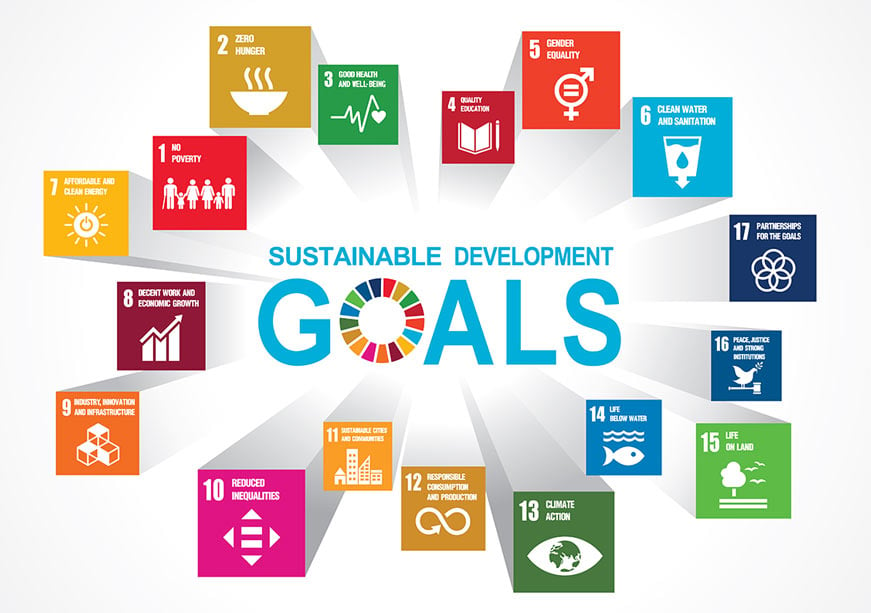
The 17 Sustainable Development Goals: A Shared Roadmap for a Better Future
The 17 Sustainable Development Goals, often called the SDGs, are a global plan for improving people’s lives while protecting the planet. Adopted by United Nations member states in 2015 as part of the 2030 Agenda for Sustainable Development, the goals address challenges that cross national borders—from poverty and hunger to climate change and inequality.
The goals are connected: progress in one area can support progress in others. For example, access to quality education can help reduce poverty, while clean energy can improve health and limit climate pollution. The SDGs call on governments, businesses, organizations, communities, and individuals to work together toward a more peaceful, equitable, and sustainable world.
The 17 Goals
- No Poverty: End poverty in all its forms by expanding access to essential resources, services, and opportunities, and by strengthening support for people facing hardship.
- Zero Hunger: End hunger, improve nutrition, and support sustainable agriculture so everyone can access safe, nutritious food.
- Good Health and Well-Being: Promote health and well-being for people of all ages, including access to quality health care and prevention services.
- Quality Education: Ensure inclusive, equitable education and lifelong learning opportunities for everyone.
- Gender Equality: Advance equal rights and opportunities for women and girls and work to end discrimination and violence.
- Clean Water and Sanitation: Improve access to safe water and sanitation while protecting and managing water resources responsibly.
- Affordable and Clean Energy: Expand access to reliable, sustainable, and modern energy, including clean energy sources.
- Decent Work and Economic Growth: Support inclusive economic growth, productive employment, and safe, fairly compensated work.
- Industry, Innovation and Infrastructure: Build resilient infrastructure and encourage sustainable industries, research, and innovation.
- Reduced Inequalities: Reduce inequality within and among countries by promoting inclusion and fair access to opportunities.
- Sustainable Cities and Communities: Make communities inclusive, safe, resilient, and sustainable through thoughtful planning and accessible services.
- Responsible Consumption and Production: Use natural resources more efficiently and reduce waste and pollution throughout the production and consumption cycle.
- Climate Action: Take urgent action to address climate change and its impacts, while strengthening preparedness and resilience.
- Life Below Water: Conserve oceans and marine resources and use them sustainably.
- Life on Land: Protect ecosystems, forests, and biodiversity; restore degraded land; and address desertification and habitat loss.
- Peace, Justice and Strong Institutions: Promote peaceful and inclusive societies, access to justice, and accountable, effective institutions.
- Partnerships for the Goals: Strengthen cooperation among countries and organizations and mobilize the resources, knowledge, and technology needed to achieve the goals.
Why the Goals Matter
The SDGs provide a shared framework for identifying problems, setting priorities, and measuring progress. They recognize that social, economic, and environmental challenges are closely linked. Long-term development depends not only on economic opportunity, but also on healthy communities, equal rights, functioning institutions, and a thriving natural environment.
The goals are intended to apply to every country, though the specific challenges and solutions differ from place to place. They also emphasize reaching people who are most likely to be left behind. Achieving the goals requires practical action as well as cooperation, investment, and accountability.
How People and Communities Can Contribute
Progress does not depend on governments alone. Individuals and local organizations can contribute by supporting community initiatives, reducing waste, conserving energy and water, learning about local environmental and social needs, and encouraging responsible practices at work and in public life. Businesses can examine how their operations affect people and the environment, while schools and community groups can help make the goals understandable and relevant to local priorities.
No single action will achieve all 17 goals, and individuals cannot solve these challenges on their own. But informed choices, community participation, and strong partnerships can add up to meaningful progress. The SDGs offer a common direction: a future in which people can thrive and the natural systems that sustain life are protected.
6 Ways to Support the 17 Sustainable Development Goals in Your Daily Life
- Learn about the 17 Sustainable Development Goals and share what you learn.
- Choose reusable items to reduce waste and protect life on land and below water.
- Save energy and water at home to support climate action and clean resources.
- Treat everyone fairly and speak up for equality and inclusion.
- Support local businesses that offer decent work and responsible products.
- Volunteer or partner with others to advance a goal in your community.
Learn about the 17 Sustainable Development Goals and share what you learn.
Learning about the 17 Sustainable Development Goals is a simple way to understand the world’s shared priorities, from ending poverty and improving health to protecting the climate and wildlife. Explore how the goals connect to issues in your community, then share what you learn with friends, family, coworkers, or students. A conversation, social media post, or community presentation can help raise awareness and inspire others to take practical steps toward a more sustainable future.
Choose reusable items to reduce waste and protect life on land and below water.
Choosing reusable items, such as water bottles, shopping bags, and food containers, helps reduce single-use waste and the pollution it can create. By using fewer disposable products, we can help keep litter and plastics out of forests, rivers, and oceans, protecting wildlife and supporting Goals 14, Life Below Water, and 15, Life on Land.
Save energy and water at home to support climate action and clean resources.
Saving energy and water at home is a simple way to support the Sustainable Development Goals, especially Climate Action and Clean Water and Sanitation. Turn off lights and electronics when they’re not in use, choose energy-efficient appliances, fix leaky faucets, and take shorter showers. These everyday habits can reduce pollution, conserve valuable resources, and help build a more sustainable future.
Treat everyone fairly and speak up for equality and inclusion.
Treat everyone with fairness and respect, regardless of their background, identity, or circumstances. Make space for different perspectives, challenge stereotypes, and speak up when you see discrimination or exclusion. Small actions—such as listening, using inclusive language, and supporting equal opportunities—can help build stronger communities where everyone feels valued and has a chance to participate.
Support local businesses that offer decent work and responsible products.
Supporting local businesses that offer decent work and responsible products can strengthen your community while encouraging more sustainable practices. Choose businesses that treat employees fairly, provide safe working conditions, and use resources thoughtfully. Buying locally can also help keep money in the community and build relationships with the people who make or provide the products you use. Small, informed choices can contribute to the Sustainable Development Goals, especially decent work and economic growth, responsible consumption and production, and stronger local communities.
Volunteer or partner with others to advance a goal in your community.
Volunteering or partnering with others is a practical way to advance one of the 17 Sustainable Development Goals in your community. You could join a neighborhood cleanup, support a food bank, help with tutoring, or work with a local group to improve access to clean water or green spaces. Start by identifying a need that matters locally, then connect with organizations, neighbors, or community leaders already working on it. Sharing time, skills, and resources can make a lasting difference—and help turn a global goal into meaningful local progress.