
The Philippine Government’s Initiatives to Combat Climate Change
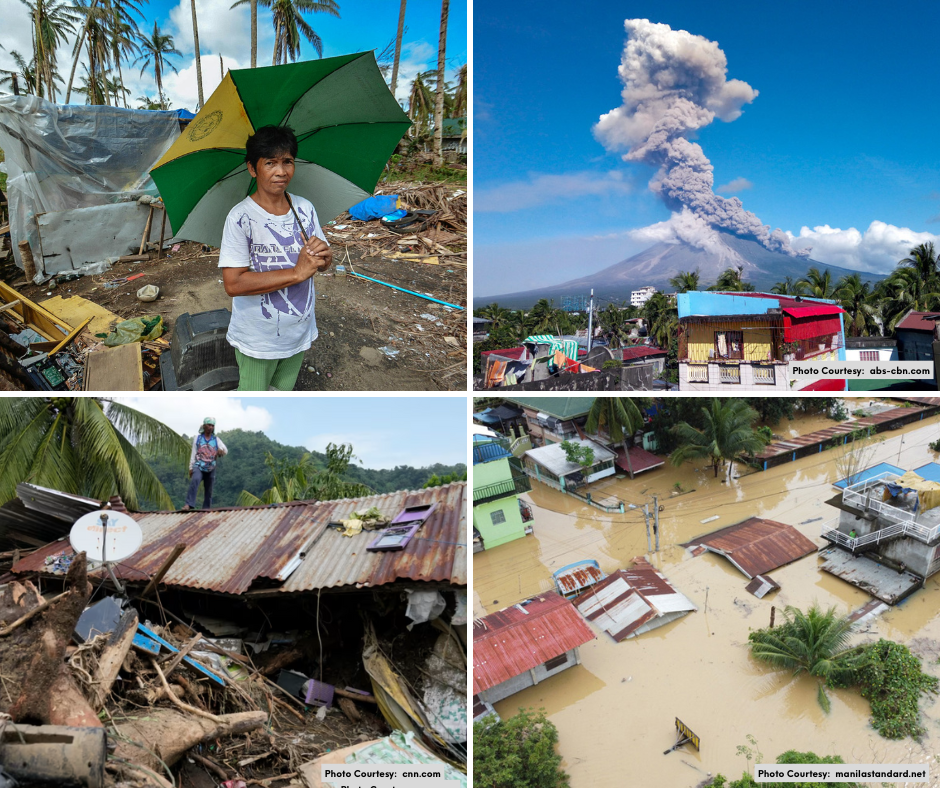
Climate change poses a significant threat to the Philippines, with its vulnerable geographical location making it prone to natural disasters exacerbated by global warming. In response to this pressing issue, the Philippine government has taken proactive steps to address climate change and promote sustainable development.
Legislation and Policies
The Philippines has enacted several laws and policies aimed at mitigating the impacts of climate change. The Climate Change Act of 2009 established the Climate Change Commission, which is tasked with coordinating, monitoring, and evaluating programs and action plans related to climate change adaptation and mitigation.
Renewable Energy Development
In line with its commitment to reduce greenhouse gas emissions, the Philippine government has been actively promoting the development of renewable energy sources. The Renewable Energy Act of 2008 provides incentives for the establishment of renewable energy projects, such as solar, wind, hydro, and geothermal power plants.
Disaster Risk Reduction and Management
Given the country’s susceptibility to natural disasters, the government has prioritized disaster risk reduction and management efforts. The National Disaster Risk Reduction and Management Plan outlines strategies for enhancing disaster preparedness, response, and recovery to minimize the impact of climate-related hazards.
International Collaboration
The Philippines actively participates in international forums and agreements related to climate change. As a signatory to the Paris Agreement, the country has committed to reducing its greenhouse gas emissions and enhancing resilience to climate impacts through nationally determined contributions.
Community Engagement
The government recognizes the importance of engaging local communities in climate action. Various programs are implemented at the grassroots level to raise awareness about climate change, build community resilience, and empower individuals to take part in sustainable practices.
Conclusion
The Philippine government’s efforts in addressing climate change demonstrate its commitment to building a more sustainable future for current and future generations. By implementing comprehensive policies, promoting renewable energy development, strengthening disaster risk reduction measures, engaging with international partners, and involving communities in climate action, the Philippines is taking significant strides towards mitigating climate change impacts.
Frequently Asked Questions About the Philippine Government’s Actions on Climate Change
- What is the government action against climate change?
- What is the government action on climate change in the Philippines?
- What is the Philippines doing to protect the environment?
- What is the Philippine law against climate change?
- What is the Philippines doing against climate change?
- What are the Philippine government agencies for climate change?
- What is RA 9729 in the Philippines?
What is the government action against climate change?
The Philippine government has implemented various initiatives to combat climate change and its effects. These actions include the establishment of the Climate Change Commission to coordinate and monitor climate-related programs, the promotion of renewable energy development through legislation like the Renewable Energy Act, prioritizing disaster risk reduction and management efforts to enhance preparedness and response to natural disasters, active participation in international agreements such as the Paris Agreement to reduce greenhouse gas emissions, and community engagement programs aimed at raising awareness and empowering individuals to contribute to sustainable practices. Through these multifaceted approaches, the government is working towards building a more resilient and sustainable future in the face of climate change challenges.
What is the government action on climate change in the Philippines?
The Philippine government has implemented various initiatives to address climate change in the country. These actions include enacting legislation such as the Climate Change Act of 2009, establishing the Climate Change Commission to coordinate climate-related programs, promoting renewable energy development through the Renewable Energy Act of 2008, prioritizing disaster risk reduction and management efforts, actively participating in international agreements like the Paris Agreement, and engaging local communities in climate action. Through these measures, the government aims to reduce greenhouse gas emissions, enhance resilience to climate impacts, and foster sustainable development practices nationwide.
What is the Philippines doing to protect the environment?
The Philippines has implemented various initiatives to protect the environment, particularly in response to the challenges posed by climate change. Through legislation such as the Climate Change Act of 2009 and the Renewable Energy Act of 2008, the government has established frameworks for climate change adaptation and mitigation, as well as incentives for the development of renewable energy sources. Additionally, efforts in disaster risk reduction and management, community engagement, and active participation in international agreements like the Paris Agreement reflect the country’s commitment to safeguarding its natural resources and building resilience against environmental threats.
What is the Philippine law against climate change?
The Philippine law against climate change is primarily embodied in the Climate Change Act of 2009. This legislation established the Climate Change Commission, which serves as the primary government agency responsible for coordinating and monitoring climate change-related programs and initiatives in the country. The law outlines strategies for climate change adaptation and mitigation, emphasizing the importance of sustainable development practices to reduce greenhouse gas emissions and enhance resilience to climate impacts. Through this legal framework, the Philippine government aims to address the challenges posed by climate change and promote environmental sustainability for the well-being of present and future generations.
What is the Philippines doing against climate change?
The Philippines has implemented a range of initiatives to combat climate change and its impacts. These efforts include enacting legislation such as the Climate Change Act of 2009, establishing the Climate Change Commission to coordinate adaptation and mitigation programs, promoting renewable energy development through the Renewable Energy Act of 2008, prioritizing disaster risk reduction and management strategies, participating in international agreements like the Paris Agreement, and engaging local communities in climate action. Through these measures, the Philippine government is actively working towards building a more resilient and sustainable future in the face of climate change challenges.
What are the Philippine government agencies for climate change?
Several Philippine government agencies play crucial roles in addressing climate change and promoting environmental sustainability. The Climate Change Commission (CCC) serves as the primary agency responsible for coordinating, monitoring, and evaluating programs and action plans related to climate change adaptation and mitigation. The Department of Environment and Natural Resources (DENR) is actively involved in implementing policies and initiatives to protect the environment and natural resources, including efforts to combat climate change. Additionally, the Department of Energy (DOE) plays a key role in promoting renewable energy development and reducing greenhouse gas emissions in line with national climate goals. Collaborative efforts among these agencies demonstrate the Philippine government’s commitment to addressing climate change challenges through coordinated and strategic actions.
What is RA 9729 in the Philippines?
Republic Act No. 9729, also known as the Climate Change Act of 2009, is a significant legislation in the Philippines that addresses the urgent issue of climate change. This law established the Climate Change Commission, which is responsible for coordinating and monitoring programs and action plans related to climate change adaptation and mitigation. RA 9729 underscores the government’s commitment to promoting sustainable development practices, enhancing resilience to climate impacts, and reducing greenhouse gas emissions to combat global warming. By enacting this law, the Philippine government aims to strengthen its efforts in addressing climate change challenges and fostering a more sustainable future for the nation.