
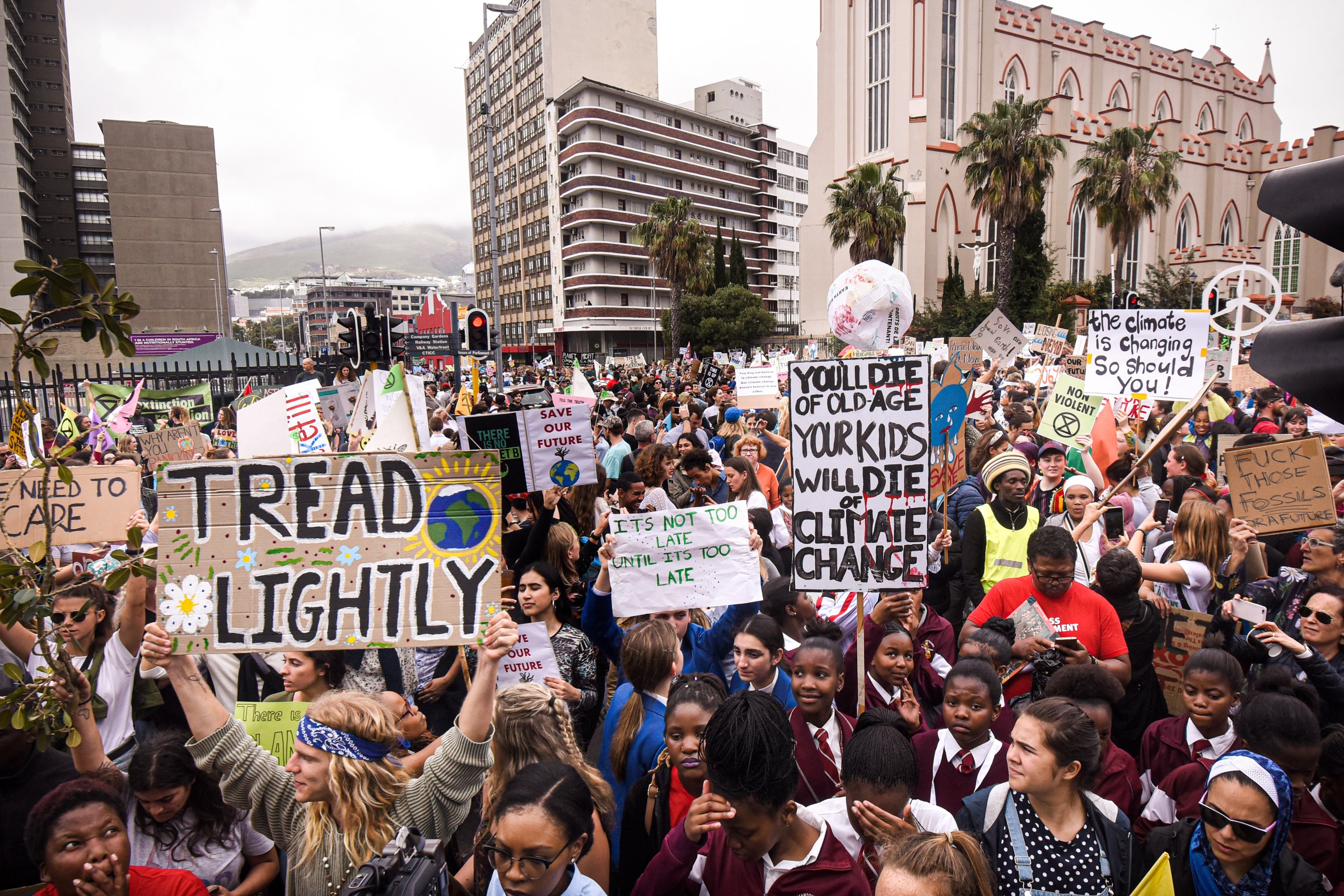
Youth and Climate Action: Turning Concern into Change
Climate change will shape the world young people inherit—and young people are already helping shape how the world responds. Across communities, students and youth leaders are raising awareness, developing local solutions, influencing public conversations, and asking decision-makers to act with urgency. Their work shows that climate action is not limited to global agreements or large organizations. It can begin at school, at home, and in the community.
Why Youth Voices Matter
Young people bring energy, creativity, and a long-term perspective to climate discussions. They often connect climate change with issues that affect daily life, including health, education, housing, transportation, and access to safe outdoor spaces. By sharing their experiences and ideas, youth can help communities understand that climate action is not only about the environment—it is also about people’s well-being and future opportunities.
Youth participation also strengthens decision-making. When students and young residents are invited to contribute to school plans, community projects, and public discussions, they can identify needs that adults may overlook. Meaningful participation means more than giving young people a microphone: it means listening to their ideas and including them in decisions.
Climate Action Close to Home
Climate action can take many forms. A school group might organize a waste-reduction campaign, start a garden, or ask administrators to improve energy efficiency. Young people may work with neighbors to plant trees, restore local habitats, or make walking and biking routes safer. Others use art, journalism, research, or social media to explain climate issues and encourage constructive conversation.
These projects can make a visible difference, especially when they respond to local priorities. A community facing extreme heat, for example, might focus on shade, cooling centers, and heat-safety information. In an area affected by flooding, residents may explore ways to protect waterways and prepare for severe weather. Local knowledge helps make climate solutions relevant and practical.
From Individual Choices to Collective Change
Everyday choices—such as reducing food waste, reusing materials, or choosing lower-emission transportation when possible—can support broader efforts. But individual actions alone cannot solve climate change. Large-scale progress also depends on decisions by governments, businesses, schools, and other institutions.
Young people can help create that progress by organizing with others and engaging with decision-makers. They can join a youth council, attend a public meeting, write to local representatives, or work with established community groups. Collective action helps turn personal concern into sustained efforts for policies and investments that benefit entire communities.
Making Climate Action Inclusive
Young people do not experience climate change in the same way. Some communities face greater exposure to heat, pollution, flooding, or other environmental risks. Access to transportation, reliable information, funding, and safe places to organize can also vary. Effective youth-led climate work should recognize these differences and make room for a wide range of voices.
Adults and organizations can support young people by providing mentorship, resources, and genuine opportunities to lead. They should also respect young people’s time, safety, and well-being. Climate responsibility must be shared across generations; it should not be placed on youth alone.
Building Momentum for the Future
Climate action is a long-term effort, and meaningful change often comes through steady collaboration. A first project does not need to solve every problem. It can build knowledge, connect people, and create a foundation for future work. By learning together, celebrating progress, and staying engaged, young people can help make climate action part of everyday community life.
The future is not shaped by one generation alone. When young people have the support and influence to contribute, their ideas can help create healthier, safer, and more resilient communities for everyone.
Empowering Youth: 7 Key Questions About Climate Action and Involvement
- What is climate action, and why is it important for young people?
- How can young people take climate action in their communities?
- Can individual actions by young people make a difference in the climate crisis?
- How can students start a climate action group at school?
- How can young people influence climate policies and decision-makers?
- What careers and volunteer opportunities are available in climate action?
- How can young climate activists avoid burnout and stay motivated?
What is climate action, and why is it important for young people?
Climate action means taking steps to address climate change, reduce greenhouse gas emissions, and prepare communities for its effects. It can include conserving energy, reducing waste, protecting nature, supporting cleaner transportation, and encouraging effective policies. Climate action matters to young people because they will live with the long-term consequences of today’s choices, and because a changing climate can affect their health, education, homes, and future opportunities. By learning, working with others, and sharing their perspectives, young people can help build safer, more sustainable communities.
How can young people take climate action in their communities?
Young people can take climate action in their communities by starting or joining projects that address local needs, such as organizing a cleanup, planting native trees, reducing food waste, improving recycling, or promoting walking, biking, and public transportation. They can also raise awareness through school clubs, community events, and social media, and share ideas with local leaders at public meetings or through youth councils. Working with neighbors, educators, and community organizations can help turn small efforts into lasting change.
Can individual actions by young people make a difference in the climate crisis?
Yes. Individual actions by young people—such as reducing waste, conserving energy, choosing lower-emission transportation when possible, and talking with others about climate issues—can help reduce environmental impact and inspire broader change. No one person can solve the climate crisis alone, but personal choices can build momentum when they’re shared and combined with collective efforts, such as school projects, community initiatives, and advocacy for effective policies.
How can students start a climate action group at school?
Students can start a climate action group by finding a few interested classmates and asking a teacher or school staff member to serve as an adviser. Next, check the school’s rules for forming clubs, choose a clear goal—such as reducing cafeteria waste, saving energy, or planting a garden—and invite other students to join. The group can meet regularly, learn about the issue, and propose a manageable first project to school administrators. Sharing progress through announcements, posters, or school events can help build support and keep the effort going.
How can young people influence climate policies and decision-makers?
Young people can influence climate policies by organizing with peers, sharing local concerns, and engaging decision-makers through public meetings, youth councils, petitions, letters, and community campaigns. They can support or partner with environmental organizations, present research and practical solutions, and use social media to raise awareness and build public support. Contacting elected officials and following up respectfully can also help keep climate issues on the agenda. Collective, informed advocacy is especially effective when young people work with community members and make sure their proposals reflect the needs of those most affected by climate change.
What careers and volunteer opportunities are available in climate action?
Climate action offers opportunities in many fields, including renewable energy, environmental science, conservation, sustainable agriculture, urban planning, public policy, education, communications, and climate technology. Young people can explore these careers through internships, job-shadowing, school programs, and training in science, technical, or community-organizing skills. Volunteer options include joining local conservation or climate groups, planting trees, restoring habitats, helping with community gardens, supporting recycling and energy-saving projects, sharing climate information, or assisting with emergency-preparedness efforts. Start by looking for opportunities through schools, community organizations, nonprofits, local government, and youth programs, and choose work that matches your interests and availability.
How can young climate activists avoid burnout and stay motivated?
Young climate activists can help prevent burnout by setting realistic goals, taking breaks, and remembering that they don’t have to solve the climate crisis alone. Sharing responsibilities with a team, celebrating small wins, and balancing advocacy with school, hobbies, rest, and time with friends can make the work more sustainable. It can also help to focus on issues within reach, connect with supportive peers or mentors, and seek professional support if stress feels overwhelming. Staying motivated doesn’t mean being active every moment—it means building habits and relationships that make it possible to keep contributing over time.