
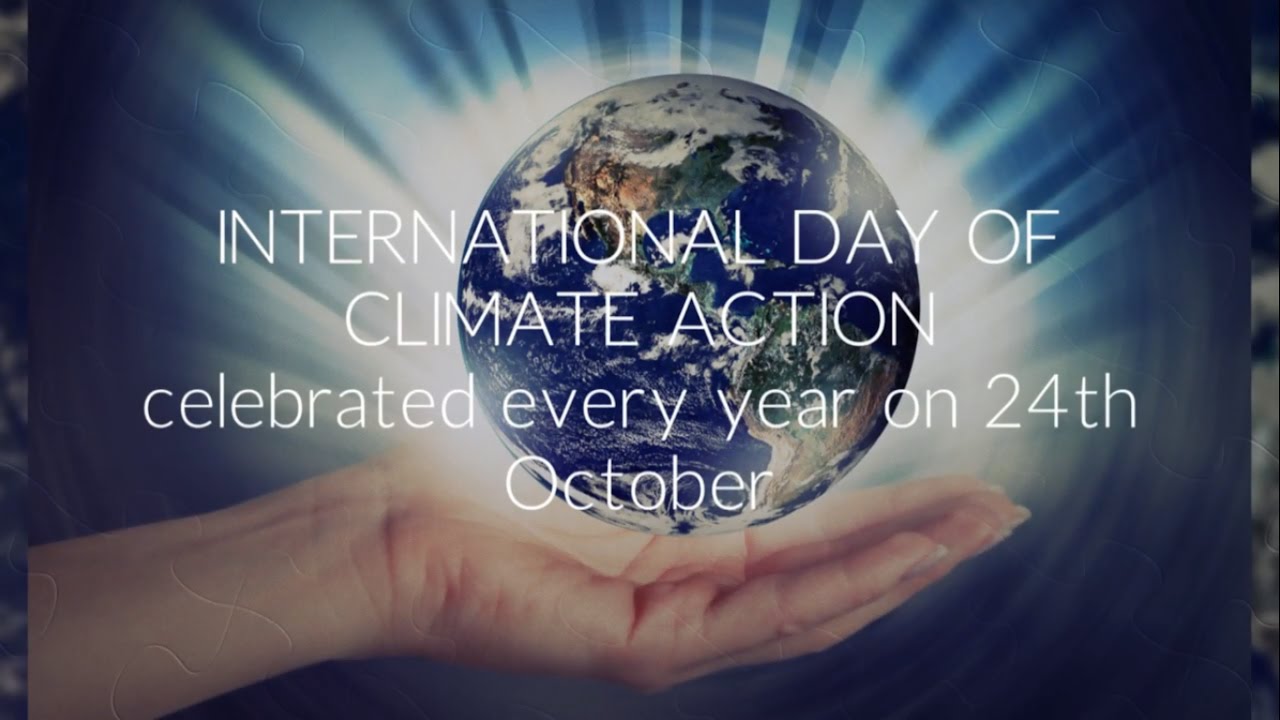
World Climate Action Day: Turning Awareness Into Action
World Climate Action Day is a chance for people, communities, and organizations to focus attention on climate change—and on the practical steps that can help address it. The day is associated with public events and campaigns that encourage people to learn about climate risks, support effective climate policies, and take action in their own communities.
Why Climate Action Matters
Climate change is already affecting people and ecosystems around the world. Rising temperatures contribute to more frequent and intense heat waves, while shifting weather patterns can increase the risks of drought, wildfires, heavy rainfall, and coastal flooding. These effects can threaten health, homes, food and water supplies, wildlife, and local economies.
The causes are closely linked to human activity, especially the burning of coal, oil, and gas. Reducing greenhouse gas emissions is essential to limiting future warming. At the same time, communities need to prepare for climate impacts that are already happening.
From Global Concern to Local Solutions
Climate action takes many forms. Governments can set emissions standards, invest in clean energy, improve public transportation, and protect natural areas. Businesses can reduce pollution across their operations and supply chains. Schools, community groups, and residents can help make neighborhoods more energy-efficient, resilient, and sustainable.
Individuals can contribute by using less energy, choosing lower-emission transportation when possible, reducing food waste, and supporting climate solutions through civic participation. Personal choices alone cannot replace large-scale policy and industry changes, but they can build momentum and help show decision-makers that communities care.
How to Take Part
- Learn: Seek reliable information about climate science and local climate risks.
- Get involved: Join a community cleanup, tree-planting project, educational event, or local climate group.
- Speak up: Contact elected officials and support policies that reduce emissions and prepare communities for climate impacts.
- Make practical changes: Look for ways to save energy, reduce waste, and choose cleaner transportation where available.
- Support local resilience: Help efforts that protect vulnerable residents, restore ecosystems, and prepare for extreme weather.
A Day That Can Lead to Lasting Change
World Climate Action Day is more than a reminder of the challenges ahead. It is an opportunity to connect people and ideas, celebrate progress, and turn concern into sustained effort. Meaningful climate action happens throughout the year—in public decisions, community projects, and everyday choices. Each step matters most when it is part of a broader, shared commitment to a healthier and more resilient future.
8 Simple Ways to Make a Difference on World Climate Action Day
- Walk, bike, or take public transit.
- Choose reusable bags, bottles, and cups.
- Eat more plant-based meals.
- Save energy by turning off unused lights.
- Support local climate-friendly policies.
- Plant native trees and pollinator-friendly plants.
- Reduce waste by repairing and reusing items.
- Share climate solutions with your community.
Walk, bike, or take public transit.
On World Climate Action Day, choose walking, biking, or public transit for a trip instead of driving alone. These options can reduce fuel use and greenhouse gas emissions while easing traffic and improving air quality. Even replacing a few car trips with lower-emission travel can make a difference—and walking or biking can add movement to your day.
Choose reusable bags, bottles, and cups.
Choosing reusable bags, bottles, and cups is a simple way to reduce single-use waste on World Climate Action Day and throughout the year. Bring a sturdy shopping bag, refillable water bottle, and travel mug when you head out. These small habits can cut down on disposable packaging and help make reusables part of everyday life.
Eat more plant-based meals.
Eating more plant-based meals is a practical way to take climate action on World Climate Action Day and throughout the year. Meals centered on beans, lentils, vegetables, fruits, whole grains, nuts, and seeds can have a lower climate impact than meals that rely heavily on meat and dairy. You don’t have to change your diet all at once: try a meat-free lunch, swap beans for meat in a favorite recipe, or explore a new plant-based dish. Small, sustainable choices can add up—and they can be delicious, too.
Save energy by turning off unused lights.
Turning off lights when they aren’t needed is a simple way to save energy on World Climate Action Day and every day. Make it a habit to switch off lights when leaving a room, and use natural daylight whenever possible. These small steps can reduce electricity use and help lower greenhouse gas emissions—especially when electricity comes from fossil fuels.
Support local climate-friendly policies.
Supporting local climate-friendly policies is a practical way to help reduce emissions and strengthen your community. Contact local representatives, attend public meetings, and learn about proposals for clean energy, efficient buildings, reliable public transportation, safer walking and biking routes, and protection of trees and green spaces. Sharing your perspective—and encouraging neighbors to do the same—can help ensure local decisions support a healthier, more resilient future.
Plant native trees and pollinator-friendly plants.
Planting native trees and pollinator-friendly plants is a practical way to support climate action in your community. Native species are adapted to local conditions, often need less water and maintenance, and can provide food and shelter for birds, bees, butterflies, and other wildlife. Trees also offer shade, help cool neighborhoods, and store carbon as they grow. Choose plants suited to your region, avoid pesticides when possible, and consider adding a mix of flowers that bloom at different times of year to provide pollinators with a steady source of food.
Reduce waste by repairing and reusing items.
On World Climate Action Day, reduce waste by repairing and reusing items instead of throwing them away. Mending clothes, fixing appliances, and repurposing household goods can conserve the energy and materials needed to make new products while keeping usable items out of landfills. When something can’t be repaired, consider donating it or recycling it properly. Small choices like these help build a more resource-conscious community.
Share climate solutions with your community.
On World Climate Action Day, share practical climate solutions with your community to help turn awareness into action. Talk with neighbors, post trusted resources online, or organize a local discussion about steps such as saving energy, using public transportation, reducing waste, and supporting clean-energy projects. Sharing ideas can inspire others, connect people with local programs, and show how small efforts—especially when many people take part—can contribute to a healthier, more resilient community.