
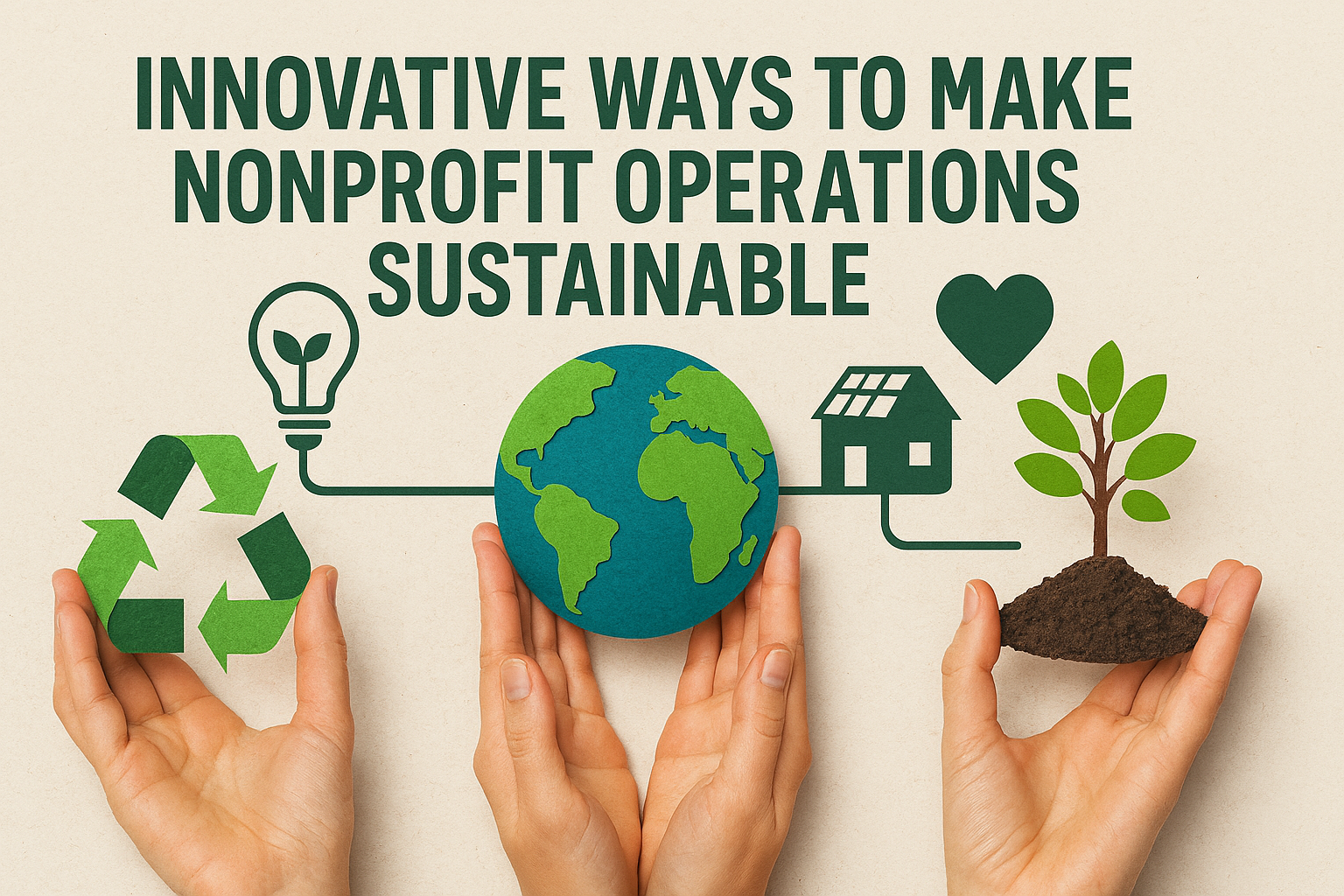
Practical Ways to Achieve Sustainable Development
Sustainable development means improving people’s lives today while protecting the resources and opportunities that future generations will need. It brings together three closely connected goals: a healthy environment, a strong and inclusive economy, and social well-being. Progress depends on practical choices by governments, businesses, communities, and individuals—and on coordinating those choices over time.
Use Energy More Efficiently
Reducing energy waste is one of the most direct ways to lower costs and environmental impacts. Homes and businesses can improve insulation, install efficient lighting and appliances, and use smart controls to reduce unnecessary heating and cooling. Communities can support these efforts through building standards, energy audits, and incentives that help make upgrades affordable.
Where feasible, shifting from fossil fuels to renewable sources such as solar, wind, and hydropower can further reduce greenhouse gas emissions. A reliable transition should also include energy storage, modernized power grids, and plans to keep energy affordable and accessible.
Make Transportation Cleaner and More Accessible
Transportation systems shape air quality, energy use, and access to jobs and services. Communities can reduce reliance on single-occupancy vehicles by investing in dependable public transit, safe sidewalks, protected bike routes, and connections between different travel options. Compact development that places homes, schools, workplaces, and shops closer together can make everyday trips shorter.
Electric vehicles and charging infrastructure can help reduce pollution from cars and trucks, especially when powered by cleaner electricity. At the same time, accessible transit and walkable neighborhoods are essential so that people have practical choices regardless of income, age, or ability.
Protect Nature and Use Resources Responsibly
Healthy forests, wetlands, rivers, soils, and oceans provide food, clean water, wildlife habitat, and protection from some natural hazards. Protecting these ecosystems—and restoring damaged areas—can support both biodiversity and community resilience. Conservation efforts are most effective when they are based on sound science and developed with the participation of local and Indigenous communities.
Responsible resource use also means reducing waste. Repairing and reusing products, improving recycling systems, and designing goods to last longer can help conserve materials. Businesses and governments can encourage these practices by choosing durable products, reducing unnecessary packaging, and creating systems that make reuse and repair convenient.
Build Sustainable Food and Water Systems
Food systems can become more sustainable through practices that protect soil, reduce water pollution, and support biodiversity. Farmers can use methods such as crop rotation, cover cropping, and efficient irrigation where appropriate. Communities can help by reducing food waste, supporting responsible local producers, and improving access to nutritious food.
Water sustainability requires protecting watersheds, repairing leaks, using water-efficient appliances and irrigation, and treating wastewater effectively. Planning for droughts and floods can help communities prepare for changing conditions while ensuring that clean water remains available for people and ecosystems.
Promote Fairness and Economic Opportunity
Sustainable development is not only about environmental protection. It also means ensuring that people can meet basic needs and take part in decisions that affect their lives. Access to quality education, health care, safe housing, clean air, and decent work all contribute to long-term well-being.
As economies shift toward cleaner technologies and practices, workers and communities may need training, investment, and support. Fair transition plans can help people gain new skills and ensure that the benefits of economic change are shared broadly rather than concentrated among a few.
Design Resilient Communities
Communities can prepare for climate and other risks by improving emergency plans, maintaining critical infrastructure, and using current risk information in land-use decisions. Green spaces, urban trees, wetlands, and other natural features can help manage stormwater and reduce heat while improving quality of life.
Resilience also depends on strong local relationships. Public agencies, community organizations, businesses, and residents can work together to identify priorities, share information, and make sure that plans address the needs of people most at risk.
Make Progress Measurable
Clear goals help turn broad commitments into action. Governments, organizations, and businesses can track measures such as energy use, emissions, water quality, waste, housing access, and employment. Transparent reporting makes it easier to identify what is working, where gaps remain, and how plans should change.
Good measurement should include more than economic growth. It should also consider health, equity, environmental quality, and the long-term effects of decisions. Public input can improve both the goals and the way progress is evaluated.
Everyone Has a Role
No single action can achieve sustainable development on its own. Individual choices—such as conserving energy, reducing food waste, using lower-impact transportation, and supporting responsible businesses—can contribute to broader change. Their impact grows when institutions make sustainable options affordable and accessible.
Lasting progress comes from combining personal action with thoughtful public policy, responsible business practices, investment in infrastructure, and community participation. By working toward environmental protection, economic opportunity, and social well-being together, communities can build a more sustainable future for generations to come.
5 Key Benefits of Sustainable Development: Building a Greener, Healthier Future
- Reduces pollution and greenhouse gas emissions.
- Conserves water, energy, and natural resources.
- Creates healthier, more resilient communities.
- Expands access to decent jobs and economic opportunity.
- Protects ecosystems for future generations.
Challenges in Achieving Sustainable Development: Understanding the Costs and Impacts
- Renewable energy projects can require high upfront costs.
- New infrastructure may disrupt communities and habitats.
- Public transit improvements can take years to complete.
- Strict regulations may increase costs for some businesses.
- Recycling systems can be expensive to maintain.
- Sustainable products may not be affordable for everyone.
- Economic transitions can displace workers without adequate support.
Reduces pollution and greenhouse gas emissions.
Reducing pollution and greenhouse gas emissions is a key benefit of sustainable development. Improving energy efficiency, using renewable power, expanding public transportation, and reducing waste can lower emissions while also limiting air and water pollution. These changes help protect public health, slow climate change, and create cleaner, more livable communities for current and future generations.
Conserves water, energy, and natural resources.
Conserving water, energy, and natural resources is a major benefit of sustainable development. Efficient appliances, renewable energy, water-saving practices, and reducing, reusing, and recycling materials help limit waste and protect ecosystems. These actions can also lower utility costs, reduce pollution, and ensure that essential resources remain available for future generations.
Creates healthier, more resilient communities.
Sustainable development helps create healthier, more resilient communities by supporting clean air and water, safe housing, accessible transportation, and reliable public services. Green spaces and energy-efficient buildings can improve daily well-being, while investments in strong infrastructure and emergency preparedness help communities withstand extreme weather and other challenges. When residents have a voice in local decisions and access to essential resources, communities are better equipped to adapt, recover, and thrive.
Expands access to decent jobs and economic opportunity.
Sustainable development can expand access to decent jobs and economic opportunity by supporting industries that meet community needs while using resources responsibly. Investments in renewable energy, energy-efficient buildings, public transit, sustainable agriculture, and ecosystem restoration can create jobs across a range of skill levels. With fair wages, safe working conditions, job training, and inclusive hiring, these opportunities can help more people build secure livelihoods and share in long-term economic growth.
Protects ecosystems for future generations.
Protecting ecosystems is a key benefit of sustainable development because healthy forests, wetlands, rivers, and oceans support wildlife, provide clean air and water, and help regulate the climate. By conserving natural habitats and using resources responsibly, communities can preserve these essential systems for future generations, giving them a better chance to enjoy a healthy environment and the benefits nature provides.
Renewable energy projects can require high upfront costs.
Renewable energy projects can require significant upfront investment in equipment, installation, grid connections, and energy storage. Although solar panels, wind turbines, and other systems may reduce energy costs over time, the initial expense can be a barrier for households, businesses, and communities with limited access to financing. Government incentives, loans, and community ownership programs can help make these projects more affordable.
New infrastructure may disrupt communities and habitats.
Building the infrastructure needed for sustainable development, such as renewable energy facilities, public transit, and new utility systems, can disrupt the communities and natural habitats where projects are located. Construction may displace residents, affect local livelihoods, fragment wildlife habitat, or put pressure on nearby ecosystems. These impacts can be reduced through careful site selection, early consultation with affected communities, thorough environmental reviews, and plans to avoid or repair damage—but they should be considered openly when weighing a project’s benefits.
Public transit improvements can take years to complete.
Improving public transit can support sustainable development, but major projects often take years to plan, fund, and build. New rail lines, expanded bus networks, and upgraded stations may require lengthy reviews, construction, and coordination among agencies. During that time, communities may face traffic disruptions and rising costs, while residents continue to rely on less sustainable transportation. Clear timelines, reliable funding, and short-term improvements—such as more frequent bus service or dedicated bus lanes—can help deliver benefits while larger projects are underway.
Strict regulations may increase costs for some businesses.
Strict regulations can help advance sustainable development, but they may also increase costs for some businesses. Meeting new standards can require investments in cleaner equipment, updated facilities, staff training, or additional reporting. These expenses may be especially challenging for small businesses with limited budgets and could lead to higher prices or slower growth. Phased implementation, clear guidance, and financial support can help businesses comply while still making progress toward sustainability goals.
Recycling systems can be expensive to maintain.
Recycling systems can be expensive to maintain because they require collection vehicles, sorting facilities, trained workers, and ongoing equipment upgrades. Costs may rise when materials are contaminated or difficult to process, and communities with fewer residents may have less material to offset those expenses. Careful planning, public education, and reliable markets for recycled materials can help manage costs, but funding remains an important challenge.
Sustainable products may not be affordable for everyone.
One challenge of sustainable development is that sustainable products may not be affordable for everyone. Energy-efficient appliances, electric vehicles, organic foods, and responsibly made goods can cost more upfront than conventional alternatives, putting them out of reach for households with limited budgets. When greener choices are available only to people who can afford them, the benefits of sustainability may be unevenly shared. Rebates, financing options, affordable public services, and stronger access to lower-cost sustainable products can help reduce this barrier.
Economic transitions can displace workers without adequate support.
Economic transitions toward more sustainable industries can create new jobs, but they may also displace workers whose livelihoods depend on declining sectors. When retraining, income assistance, relocation help, and access to new employment are inadequate, workers and their families can face financial hardship and uncertainty. A fair transition should involve affected communities early and provide practical support so that the costs of change do not fall disproportionately on those with the fewest resources.