
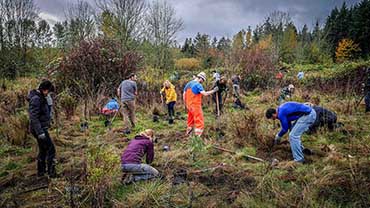
Volunteer Ecology Projects: Turning Local Action into Lasting Change
Ecology projects give people a practical way to care for the natural world around them. From restoring native plants to monitoring wildlife, volunteers can support the health of local ecosystems while learning how nature works. You don’t need to be a scientist to take part: many projects welcome beginners and provide training, tools, and guidance.
What Do Ecology Volunteers Do?
Volunteer activities vary with local needs, seasons, and habitats. Common projects include:
- Habitat restoration: Planting native species, removing invasive plants, and improving the condition of wetlands, forests, grasslands, or shorelines.
- Wildlife monitoring: Recording bird sightings, tracking amphibian populations, or documenting pollinators to help researchers understand changes in local wildlife.
- Stream and shoreline care: Removing litter, planting vegetation to reduce erosion, and helping protect waterways.
- Community science: Collecting observations using established methods and sharing them with conservation organizations or research programs.
- Environmental education: Supporting nature walks, community events, and activities that help people connect with nearby ecosystems.
Why Volunteer Projects Matter
Healthy ecosystems provide essential benefits. They support wildlife, improve soil and water quality, store carbon, and make communities more resilient to environmental change. Conservation organizations often have ambitious goals but limited staff and resources. Volunteers can extend the reach of this work, contribute valuable observations, and help build public support for protecting natural places.
Volunteering can also benefit participants. Working outdoors offers a chance to develop practical skills, meet people with shared interests, and gain a deeper understanding of local plants and animals. For students and career changers, a well-organized project may provide useful experience in fieldwork, environmental education, or community engagement.
Choosing a Project
Start by considering what interests you and what you can realistically commit to. Some projects are one-time events, while others require regular visits over several months. Look for opportunities offered by trusted conservation groups, parks, schools, universities, or community organizations.
Before signing up, ask what training is provided, what equipment you should bring, and whether the work involves physical demands or outdoor hazards. A responsible organizer should explain the project’s goals, provide clear instructions, and follow appropriate safety practices. For wildlife monitoring, volunteers should follow established protocols and avoid disturbing animals or sensitive habitat.
Making Your Contribution Count
Consistency and care are often more valuable than specialized expertise. Arrive prepared, follow the project leader’s guidance, and record observations accurately. In community science projects, using the same methods over time helps make the data more useful. During restoration work, planting the right native species in the right location can matter more than planting large quantities.
It is also important to respect the people and places involved. Follow access rules, leave natural features undisturbed, and learn about local community priorities. Conservation projects are most effective when they are shaped with the people who know and depend on the landscape.
Small Efforts, Shared Impact
No single volunteer can solve every environmental challenge, but many people working together can help protect and restore the places they care about. Whether you spend a morning removing invasive plants, join a seasonal wildlife survey, or help educate your neighbors, your effort can contribute to a broader conservation effort. Find a project near you, ask questions, and take the first step toward making a difference in your local ecosystem.
7 Benefits of Volunteer Ecology Projects: Restoring Habitats, Protecting Wildlife, and Building Community
- Supports habitat restoration
- Helps protect local wildlife
- Collects useful scientific data
- Builds practical outdoor skills
- Connects people with nature
- Strengthens local communities
- Creates positive environmental change
Challenges to Consider Before Joining Volunteer Ecology Projects
- Can require significant time and travel.
- May involve strenuous outdoor work.
- Weather can disrupt activities.
- Training and equipment may be needed.
- Results can take time to become visible.
Supports habitat restoration
Volunteer ecology projects support habitat restoration by bringing people together to remove invasive species, plant native vegetation, clean waterways, and repair damaged natural areas. These hands-on efforts can improve food and shelter for local wildlife, strengthen soil and water health, and help ecosystems recover over time. With guidance from conservation professionals, volunteers can make a meaningful contribution to healthier, more resilient habitats.
Helps protect local wildlife
Volunteer ecology projects help protect local wildlife by restoring habitats, removing invasive species, and reducing threats such as litter and pollution. Volunteers may also record wildlife sightings and monitor local populations, giving conservation groups useful information to guide their work. These efforts help create safer, healthier places where native animals can find food, shelter, and space to thrive.
Collects useful scientific data
Volunteer ecology projects can help researchers collect valuable scientific data across large areas and over long periods. Volunteers may record wildlife sightings, monitor water quality, identify plants, or track seasonal changes using consistent methods. When observations are carefully collected and reviewed, they can reveal patterns that help scientists understand ecosystem health, detect environmental change, and guide conservation decisions.
Builds practical outdoor skills
Volunteer ecology projects help participants build practical outdoor skills through hands-on experience. Volunteers may learn to identify native plants, use field tools safely, collect wildlife observations, restore habitat, or navigate natural areas. With guidance from project leaders, these activities build confidence and useful skills that can support future conservation work—or simply make time outdoors more rewarding.
Connects people with nature
Volunteer ecology projects help people build a direct connection with nature by getting them outdoors and involved in caring for local habitats. Planting native species, observing wildlife, or restoring a stream can make the rhythms and needs of an ecosystem easier to understand. These hands-on experiences often deepen appreciation for the natural world and inspire people to protect it in their daily lives.
Strengthens local communities
Volunteer ecology projects strengthen local communities by bringing neighbors together around shared goals. Working side by side to restore habitats, care for parks, or monitor local wildlife can build relationships, encourage a sense of belonging, and connect people with the places they call home. These projects also create opportunities to share skills and knowledge across generations, while helping communities take an active role in shaping a healthier local environment.
Creates positive environmental change
Volunteer ecology projects create positive environmental change through practical, community-led action. Volunteers can help restore habitats, remove invasive species, plant native vegetation, clean waterways, and monitor wildlife. These efforts can improve conditions for local plants and animals while supporting healthier, more resilient ecosystems. Over time, many small contributions add up, helping protect natural spaces for both wildlife and future generations.
Can require significant time and travel.
Volunteer ecology projects can require a substantial investment of time, especially when they involve recurring fieldwork, training, or activities tied to specific seasons. Travel may also be a challenge if project sites are far from home or difficult to reach by public transportation. Before committing, consider the schedule, distance, and transportation costs to make sure the opportunity fits your availability and resources.
May involve strenuous outdoor work.
Volunteer ecology projects can involve strenuous outdoor work, such as hiking over uneven terrain, digging, hauling tools, or removing invasive plants. Activities may take place in hot, cold, wet, or buggy conditions, and some tasks require standing or bending for long periods. Before signing up, check the physical requirements, expected conditions, and available breaks so you can choose a project that fits your abilities and come prepared.
Weather can disrupt activities.
Weather can disrupt volunteer ecology projects, especially when work takes place outdoors. Heavy rain, extreme heat, high winds, or poor air quality may make activities unsafe or prevent volunteers from reaching a site. Projects may need to be postponed, shortened, or rescheduled, which can be frustrating for participants and delay conservation work. Checking forecasts, dressing appropriately, and having a flexible backup plan can help reduce the impact.
Training and equipment may be needed.
Some volunteer ecology projects require specialized training or equipment, which can make it harder to get started. Tasks such as identifying species, collecting reliable field data, or safely removing invasive plants may require instruction before volunteers can participate. Projects may also call for items like sturdy boots, gloves, protective clothing, or monitoring tools. Although many organizations provide training and shared equipment, volunteers should check the requirements in advance and consider any time or out-of-pocket costs.
Results can take time to become visible.
One challenge of volunteer ecology projects is that meaningful results often take time to become visible. Native plants may need several growing seasons to establish, restored habitats can take years to recover, and wildlife populations may respond gradually to improved conditions. This can make it difficult for volunteers to see the impact of their efforts right away. Setting realistic expectations and tracking progress over time can help participants stay motivated and recognize that steady, consistent work contributes to lasting change.