
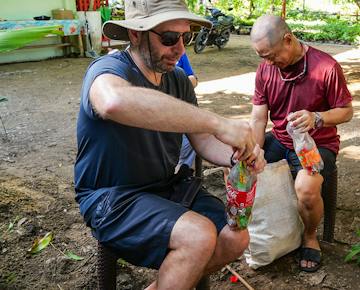
Volunteer Abroad on Environmental Projects: How to Make a Meaningful Difference
Volunteering abroad on an environmental project can be a rewarding way to learn about conservation, connect with local communities, and contribute to work that supports nature. Opportunities range from restoring habitats and monitoring wildlife to helping with environmental education. The best experiences are not simply about traveling to a beautiful place: they are planned with local partners, meet a genuine need, and leave lasting benefits after volunteers go home.
What Environmental Volunteer Projects Involve
Programs vary by location, season, and the needs of the organizations running them. Common project areas include:
- Habitat restoration: Removing invasive plants, replanting native vegetation, restoring wetlands, or helping repair degraded landscapes.
- Wildlife conservation: Supporting noninvasive field research, recording observations, maintaining habitat, or assisting trained staff with conservation tasks.
- Marine and coastal protection: Collecting shoreline litter, helping with reef or seagrass monitoring, and supporting community education about marine ecosystems.
- Environmental education: Preparing learning materials or assisting local educators with workshops, nature activities, and outreach.
- Sustainable agriculture and community projects: Supporting locally led efforts such as composting, food gardens, or water conservation.
Some projects welcome volunteers without specialized experience, while others require relevant training, language skills, or professional qualifications. Tasks should match volunteers’ abilities and the project’s actual needs.
How to Choose a Responsible Program
Before signing up, research the organization and ask detailed questions. A responsible program should be able to explain who sets its priorities, how local residents are involved, and what happens to the work when visiting volunteers are not there.
- Look for local leadership. Projects should be designed with local organizations and communities, not imposed on them.
- Ask about measurable goals. Find out what the project is trying to achieve and how progress is evaluated.
- Check the volunteer role. Confirm the daily tasks, supervision, training, group size, and skills required.
- Understand the costs. Request a clear breakdown of program fees and how funds support the project, staff, lodging, and local services.
- Review wildlife policies. Ethical programs prioritize animal welfare and conservation. Be cautious of activities that involve handling, feeding, riding, or posing with wild animals.
- Ask about community benefits. Learn whether the project hires local staff, purchases local goods, and shares decision-making with residents.
Be wary of broad promises, pressure to pay quickly, or programs that cannot explain their conservation methods. A meaningful project may involve ordinary, repetitive work rather than dramatic encounters with wildlife.
Prepare for the Experience
Good preparation helps protect both volunteers and the places they visit. Learn about local customs, environmental issues, and the project’s expectations before departure. Ask what clothing and equipment to bring, whether physical work is involved, and what health precautions are recommended. Check current travel requirements and arrange appropriate travel and medical insurance.
Language learning can also make a difference. Even a few basic phrases may help volunteers communicate respectfully and build stronger connections. Follow local guidance on photography, sacred or culturally significant places, and interactions with residents.
Prioritize Long-Term Impact
Short-term volunteers are most helpful when they support ongoing work rather than replace local workers or create extra demands. Ask whether your tasks can be completed safely within your stay and whether training is sufficient. In sensitive research or conservation settings, volunteers should follow protocols closely and avoid disturbing wildlife or collecting data without proper instruction.
Impact does not end when the trip does. Volunteers can share accurate information, support local partners over time, and apply what they learned in their own communities. Responsible travel also includes reducing waste, conserving water and energy, respecting wildlife, and choosing locally owned services when possible.
Is Volunteering Abroad Right for You?
Environmental volunteering abroad can be a good fit for people who are curious, adaptable, and willing to follow local leadership. It is not a substitute for professional conservation work, and it may require patience, physical effort, and flexibility. Before committing, consider whether the project’s goals match your values, skills, budget, and available time.
When chosen thoughtfully, an overseas environmental project can support conservation while offering a deeper understanding of the people and ecosystems connected to it. The most meaningful contribution begins with listening, learning, and helping in ways that local partners identify as useful.
Top 5 Benefits of Volunteering Abroad for Environmental Projects
- Support conservation and habitat restoration.
- Learn practical environmental skills.
- Connect with local communities and cultures.
- Gain hands-on experience in the field.
- Build global awareness and lasting connections.
Considerations for Volunteering Abroad: Challenges in Environmental Projects
- Program fees can be expensive.
- Travel creates a carbon footprint.
- Short stays may limit lasting impact.
- Work may be physically demanding.
- Some programs lack local community input.
- Wildlife encounters may be ethically questionable.
Support conservation and habitat restoration.
Volunteering abroad on environmental projects can directly support conservation and habitat restoration. Volunteers may help remove invasive plants, plant native species, restore wetlands, clean coastlines, or assist with wildlife monitoring under the guidance of local experts. These efforts can strengthen ecosystems, improve habitat for native species, and support long-term conservation goals. When projects are locally led and thoughtfully planned, volunteers’ time and effort can contribute to meaningful work that benefits both the environment and nearby communities.
Learn practical environmental skills.
Volunteer abroad on an environmental project and gain practical skills you can use well beyond your trip. Depending on the program, you may learn how to restore habitats, identify native plants, monitor wildlife, collect field data, reduce waste, or support community conservation efforts. With guidance from experienced local staff, you can build hands-on knowledge while learning how environmental work is adapted to the needs of a particular place.
Connect with local communities and cultures.
Volunteering abroad on environmental projects offers a meaningful way to connect with local communities and cultures. By working alongside residents, learning about local traditions, and listening to how people care for their environment, volunteers can gain a deeper understanding of the place they’re visiting. These shared experiences can build lasting relationships and make the project more rewarding, while helping volunteers contribute with respect and cultural awareness.
Gain hands-on experience in the field.
Volunteer abroad environmental projects can provide valuable hands-on experience in the field. Depending on the program, volunteers may help restore habitats, monitor wildlife, collect environmental data, or support conservation efforts alongside local experts. These practical activities can build useful skills, deepen understanding of environmental challenges, and offer a clearer sense of how conservation work happens beyond the classroom.
Build global awareness and lasting connections.
Volunteering abroad on environmental projects can broaden your understanding of how communities around the world respond to conservation challenges, climate change, and habitat loss. Working alongside local residents and fellow volunteers helps you learn from different perspectives, build cross-cultural friendships, and develop a stronger sense of shared responsibility for the planet. The connections and insights gained can last long after the project ends, inspiring continued learning, collaboration, and environmental action at home.
Program fees can be expensive.
Program fees for volunteer abroad environmental projects can be expensive, especially when they include lodging, meals, transportation, training, and administrative costs. Airfare, visas, insurance, vaccinations, and personal expenses may add significantly to the total. Before committing, review a detailed budget and ask how fees support the project and local partners. Comparing programs and looking for scholarships or lower-cost opportunities can help you decide whether the experience fits your finances.
Travel creates a carbon footprint.
Traveling abroad to volunteer on environmental projects can create a significant carbon footprint, especially when the journey involves long-haul flights. These emissions may undermine some of the environmental benefits a project aims to achieve. Volunteers can reduce their impact by choosing a nearby program, staying longer instead of making multiple short trips, using ground transportation when practical, and supporting locally led conservation efforts that do not require international travel.
Short stays may limit lasting impact.
Short stays can limit the lasting impact of environmental volunteer projects. By the time volunteers learn local procedures and build relationships with the community, their placement may be nearly over. This can make it difficult to contribute to long-term efforts, and frequent volunteer turnover may require local staff to spend valuable time training new arrivals. Projects are more likely to benefit when short-term volunteers support clearly defined tasks led by local experts and when their work fits into a broader, ongoing plan.
Work may be physically demanding.
Environmental volunteer work can be physically demanding, often involving long hours outdoors, uneven terrain, heavy lifting, planting, digging, or repetitive tasks. Hot, cold, or rainy weather can add to the challenge, and some projects may require a higher level of fitness than expected. Before committing, ask the organization about daily duties, work conditions, available breaks, and any physical requirements so you can decide whether the role is a good fit.
Some programs lack local community input.
Some volunteer abroad environmental programs are planned without enough input from the local communities they aim to serve. When residents are excluded from decision-making, projects may overlook local priorities, cultural knowledge, or practical needs, making the work less effective and harder to sustain. Before signing up, look for programs that collaborate with community members, listen to local partners, and clearly explain how residents help shape the project.
Wildlife encounters may be ethically questionable.
Wildlife encounters on volunteer abroad projects can be ethically questionable when animals are handled, fed, restrained, or brought close to visitors for photos. These interactions may cause stress, disrupt natural behavior, or encourage animals to become dependent on people. Before signing up, ask how the program protects animal welfare and whether volunteers observe wildlife from a respectful distance. Reputable conservation projects prioritize animals’ needs over close-up encounters and clearly explain the purpose of any contact.