
The UN Sustainable Development Goals and Climate Change
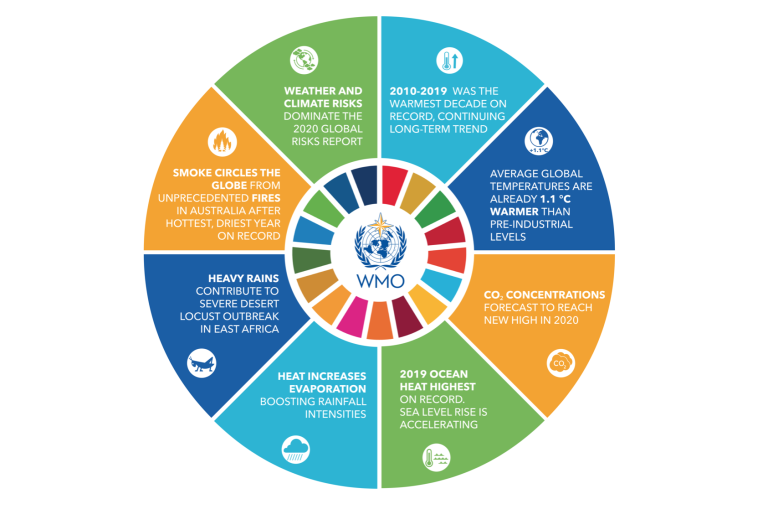
Climate change is one of the defining challenges of our time. Rising temperatures, more intense heat waves, changing rainfall patterns, melting ice, and rising sea levels are affecting communities and ecosystems around the world. The United Nations Sustainable Development Goals (SDGs) recognize that addressing climate change is essential not only for protecting the environment, but also for improving health, reducing poverty, and building a more secure future.
What Are the Sustainable Development Goals?
Adopted by UN member states in 2015, the 17 Sustainable Development Goals are a shared framework for creating a more peaceful, prosperous, and sustainable world by 2030. The goals address challenges including poverty, hunger, health, education, clean energy, and environmental protection. They are interconnected: progress on one goal can support progress on others, while setbacks can have far-reaching effects.
SDG 13: Climate Action
SDG 13 calls for urgent action to combat climate change and its impacts. Its priorities include strengthening resilience to climate-related hazards, integrating climate measures into policies and planning, improving education and public awareness, and supporting the capacity of countries to respond to climate risks.
The goal also recognizes the importance of international cooperation. Many countries—particularly those with fewer resources—need financial and technical support to prepare for climate impacts, reduce greenhouse gas emissions, and develop clean energy systems.
How Climate Change Connects to Other Goals
Climate change affects nearly every area of sustainable development. Its impacts can undermine progress toward the goals, while action on those goals can help communities become more resilient.
- Ending poverty and hunger: Droughts, floods, and extreme heat can damage homes, jobs, crops, and food supplies, especially for people with limited resources.
- Health and well-being: Heat, air pollution, changing disease patterns, and climate-related disasters can increase health risks and strain medical services.
- Clean water and sanitation: Shifts in rainfall and longer dry periods can put pressure on water supplies, while floods can contaminate drinking water.
- Affordable and clean energy: Expanding renewable energy and improving energy efficiency can help reduce emissions and increase access to reliable power.
- Sustainable cities and communities: Climate-smart planning, resilient infrastructure, and accessible public transportation can help cities reduce risk and emissions.
- Life below water and on land: Warming oceans, changing habitats, and more frequent extreme events threaten ecosystems and the species that depend on them.
Mitigation and Adaptation
Climate action includes both mitigation and adaptation. Mitigation means reducing the greenhouse gas emissions that drive climate change—for example, by using renewable energy, improving energy efficiency, protecting forests, and adopting lower-emission transportation. Adaptation means preparing for climate impacts that are already occurring or expected, such as strengthening flood protection, developing heat-response plans, and using water more efficiently.
Both approaches are necessary. Cutting emissions can limit future warming, while adaptation helps protect people, livelihoods, and ecosystems from current and future risks.
Why Equity Matters
Climate change does not affect everyone equally. People’s exposure and ability to respond can depend on where they live, their health, income, access to services, and other circumstances. Communities that have contributed relatively little to global emissions may face serious risks and have fewer resources to recover from disasters.
Fair climate action considers these differences. It supports communities in planning for local risks, expands access to clean and reliable energy, and ensures that the benefits and costs of the transition are shared more equitably. This principle is often described as a just transition: moving toward a low-emissions economy while protecting workers and communities affected by the change.
Turning the Goals Into Action
Governments play a central role by setting climate policies, investing in resilient infrastructure, protecting natural areas, and working together across borders. Businesses can measure and reduce emissions, improve supply chains, and develop products and services that support sustainability. Schools, community groups, and individuals can build awareness and encourage local action.
Individual choices are not a substitute for broad policy and institutional change, but they can contribute to it. Using energy more efficiently, reducing food waste, choosing lower-emission travel when practical, and supporting community climate initiatives are ways to take part.
A Shared Path Forward
The Sustainable Development Goals provide a common framework for connecting climate action with human well-being and environmental protection. Meeting SDG 13 requires sustained cooperation, informed decisions, and attention to the needs of people most at risk. Progress on climate change can help safeguard development gains—and progress across the SDGs can strengthen the resilience needed to face a changing climate.
7 Practical Tips to Support the UN’s Climate Action Goals
- Choose public transit, biking, or walking to cut emissions.
- Use less energy by switching off unused lights and devices.
- Eat more plant-based meals and reduce food waste.
- Support renewable energy at home and in your community.
- Buy durable, reusable products instead of single-use items.
- Plant native trees and protect local green spaces.
- Support policies and businesses advancing UN Sustainable Development Goal 13
Choose public transit, biking, or walking to cut emissions.
Choosing public transit, biking, or walking instead of driving alone can help reduce greenhouse gas emissions and improve air quality. These options can also ease traffic congestion and support healthier, more connected communities. When a car is necessary, combining errands or sharing the ride can further reduce the emissions associated with travel.
Use less energy by switching off unused lights and devices.
Using less energy is a simple way to support climate action and the UN Sustainable Development Goals. Switch off lights when you leave a room, and turn off or unplug devices when they’re not in use. These small habits can reduce electricity use, lower greenhouse gas emissions, and help conserve resources.
Eat more plant-based meals and reduce food waste.
Eating more plant-based meals and reducing food waste are simple ways to support the UN Sustainable Development Goals and take climate action. Producing plant-based foods generally requires fewer resources and creates fewer greenhouse gas emissions than producing many animal-based foods. Planning meals, storing food properly, and using leftovers can also keep edible food out of landfills, where it can generate methane as it decomposes. Together, these everyday choices can help conserve resources and reduce the climate impact of the food system.
Support renewable energy at home and in your community.
Supporting renewable energy at home and in your community is a practical way to advance the UN Sustainable Development Goals, especially SDG 7 on affordable and clean energy and SDG 13 on climate action. Consider choosing a renewable electricity plan, installing solar panels if feasible, or improving your home’s energy efficiency to reduce power use. You can also encourage local leaders, schools, and businesses to invest in clean energy projects. Community solar programs may offer an option for households that cannot install panels themselves. Together, these steps can help cut greenhouse gas emissions, strengthen access to cleaner energy, and build support for a more sustainable future.
Buy durable, reusable products instead of single-use items.
Choosing durable, reusable products instead of single-use items is a simple way to support climate action and the UN Sustainable Development Goals. Reusable bags, bottles, containers, and utensils can reduce waste and the demand for materials and energy used to make and transport disposable goods. Choose items built to last, use them regularly, and repair or recycle them when possible. Individual choices are only part of the solution, but together they can encourage more sustainable habits and help reduce pressure on the environment.
Plant native trees and protect local green spaces.
Planting native trees and protecting local green spaces can support climate action while strengthening the health of nearby communities. Native trees are adapted to local conditions, provide habitat for wildlife, and can help absorb carbon dioxide, cool neighborhoods, and reduce stormwater runoff. Parks, gardens, and other green spaces also offer places for recreation and connection with nature. Choosing appropriate native species and caring for them over time helps ensure these efforts benefit both people and the local environment—an important contribution to the UN Sustainable Development Goals, including climate action and sustainable communities.
Support policies and businesses advancing UN Sustainable Development Goal 13
Support policies and businesses that advance UN Sustainable Development Goal 13 by helping combat climate change and strengthen resilience to its impacts. Look for clear commitments to reduce greenhouse gas emissions, expand clean energy, protect natural ecosystems, and prepare communities for climate risks. You can make your voice heard by contacting elected officials, participating in local planning, and choosing businesses that report measurable progress. Every informed choice helps build momentum for practical, lasting climate action.