
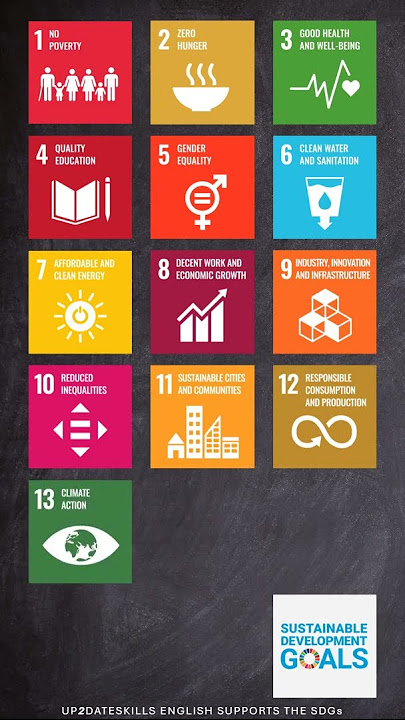
The United Nations Sustainable Development Goals: A Complete List
The United Nations Sustainable Development Goals (SDGs) are a set of 17 global goals designed to improve people’s lives, protect the planet, and support peace and prosperity. Adopted by all UN Member States in 2015 as part of the 2030 Agenda for Sustainable Development, the goals provide a shared framework for addressing major social, economic, and environmental challenges.
The goals are interconnected: progress in one area can support progress in others. The agenda calls on governments, businesses, organizations, communities, and individuals to contribute to a more sustainable future by 2030.
The 17 UN Sustainable Development Goals
- No Poverty: End poverty in all its forms everywhere.
- Zero Hunger: End hunger, achieve food security and improved nutrition, and promote sustainable agriculture.
- Good Health and Well-Being: Ensure healthy lives and promote well-being for people of all ages.
- Quality Education: Ensure inclusive and equitable quality education and promote lifelong learning opportunities for all.
- Gender Equality: Achieve gender equality and empower all women and girls.
- Clean Water and Sanitation: Ensure the availability and sustainable management of water and sanitation for all.
- Affordable and Clean Energy: Ensure access to affordable, reliable, sustainable, and modern energy for all.
- Decent Work and Economic Growth: Promote sustained, inclusive, and sustainable economic growth, productive employment, and decent work for all.
- Industry, Innovation and Infrastructure: Build resilient infrastructure, promote inclusive and sustainable industrialization, and foster innovation.
- Reduced Inequalities: Reduce inequality within and among countries.
- Sustainable Cities and Communities: Make cities and human settlements inclusive, safe, resilient, and sustainable.
- Responsible Consumption and Production: Ensure sustainable consumption and production patterns.
- Climate Action: Take urgent action to combat climate change and its impacts.
- Life Below Water: Conserve and sustainably use the oceans, seas, and marine resources.
- Life on Land: Protect, restore, and promote the sustainable use of terrestrial ecosystems, sustainably manage forests, combat desertification, halt and reverse land degradation, and halt biodiversity loss.
- Peace, Justice and Strong Institutions: Promote peaceful and inclusive societies, provide access to justice for all, and build effective, accountable, and inclusive institutions at all levels.
- Partnerships for the Goals: Strengthen the means of implementation and revitalize the global partnership for sustainable development.
How the Goals Work
Each goal includes specific targets and indicators used to track progress. For example, Goal 4 focuses on access to inclusive, quality education, while Goal 6 addresses safe water and sanitation. Together, the goals recognize that lasting development requires attention to human rights, economic opportunity, environmental protection, and strong institutions.
The SDGs are global goals, but action also happens locally. Governments can develop policies and services that support them, organizations can align projects and operations with relevant targets, and individuals can make informed choices in their communities. While no single action can achieve the goals on its own, coordinated efforts can contribute to meaningful progress.
Why the UN Goals Matter
The SDGs offer a common way to identify challenges, set priorities, and measure progress. They also highlight how issues such as poverty, health, education, climate change, and inequality are connected. The 2030 deadline is a call to accelerate action and cooperation so that progress can reach people and communities who need it most.
Understanding the UN goals list is a useful first step toward learning about sustainable development and finding ways to support a fairer, healthier, and more sustainable future.
5 Steps to Engage with the UN Sustainable Development Goals in Your Community
- Learn all 17 UN Sustainable Development Goals.
- Choose a goal that matters to your community.
- Set one clear, measurable action for each goal.
- Track progress and update your list regularly.
- Share your goals to inspire others.
Learn all 17 UN Sustainable Development Goals.
Learn all 17 UN Sustainable Development Goals to understand the broad challenges they address, from ending poverty and hunger to protecting the climate and promoting peace. Because the goals are interconnected, knowing the full list can help you see how progress in one area supports others. Use the list as a starting point to explore the goals that matter most to your community and discover practical ways to contribute.
Choose a goal that matters to your community.
Start by choosing a UN Sustainable Development Goal that connects with a need in your community. Local priorities might include access to quality education, clean water, affordable energy, decent work, or protecting nearby ecosystems. Focusing on one goal makes it easier to learn about the issue, find relevant organizations, and identify practical ways to help.
Set one clear, measurable action for each goal.
Set one clear, measurable action for each of the 17 UN Sustainable Development Goals to turn a broad commitment into practical progress. For example, you could organize a food donation drive to support Zero Hunger, arrange a neighborhood cleanup for Life Below Water or Life on Land, or track your household’s energy use to support Affordable and Clean Energy. Make each action specific and time-bound, then record the results so you can see what changed and where more effort is needed. Small, trackable steps can make the goals easier to understand and help build momentum over time.
Track progress and update your list regularly.
Track progress against the UN Sustainable Development Goals regularly, and update your list as priorities, projects, or results change. Note completed actions, identify areas that need more attention, and use reliable information to check whether efforts are making a difference. Regular reviews help keep your goals relevant and make it easier to adjust plans, celebrate progress, and focus on the work still ahead.
Share your goals to inspire others.
Share your sustainability goals to inspire others and build momentum for positive change. Whether you’re reducing waste, supporting clean energy, or volunteering in your community, explaining what you’re doing can encourage friends, family, and coworkers to take action, too. Connect your goals to the United Nations Sustainable Development Goals (SDGs) to show how local choices can contribute to broader efforts—and celebrate progress along the way.