
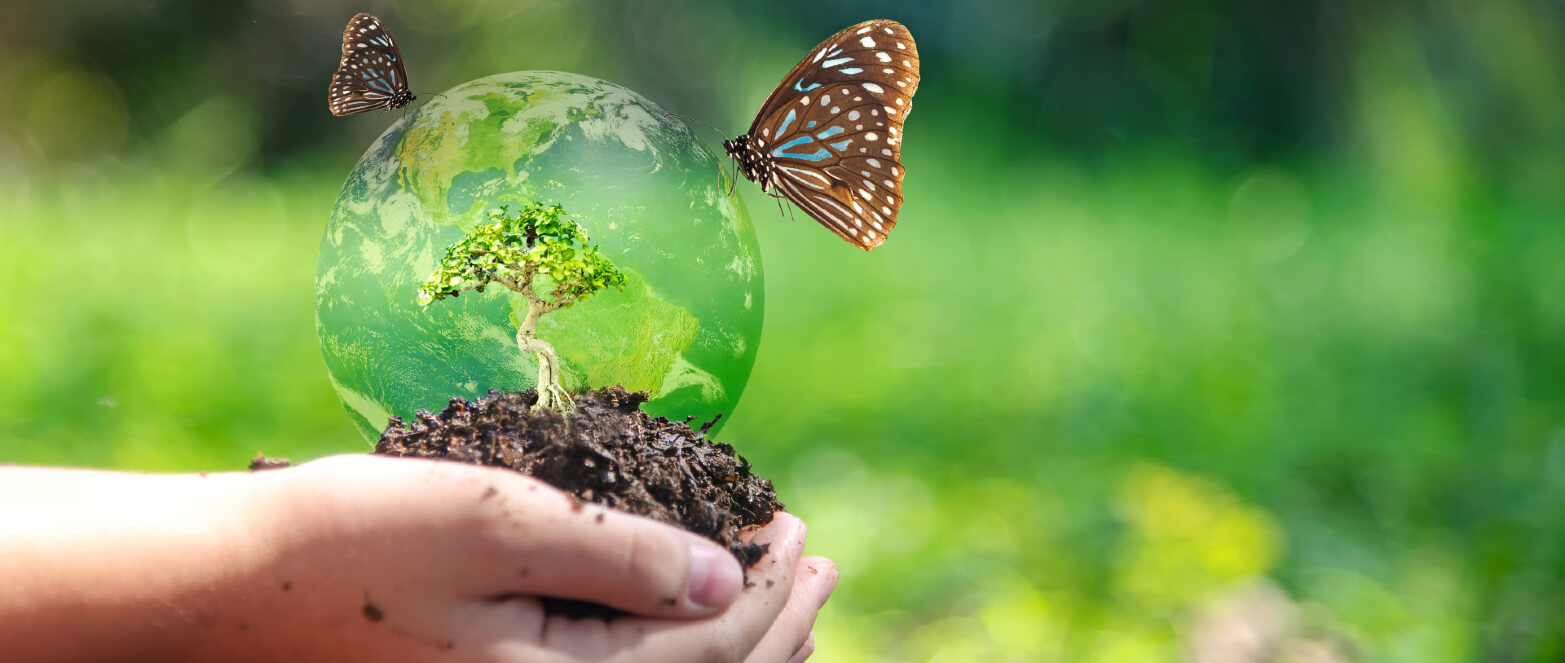
Sustainable Use of Biodiversity: Meeting Today’s Needs While Protecting Tomorrow
Biodiversity—the variety of life on Earth, from genes and species to entire ecosystems—supports the systems people depend on every day. Healthy forests store carbon and protect watersheds. Wetlands reduce flooding and provide habitat for wildlife. Pollinators help crops produce food, while diverse marine ecosystems support fisheries and coastal communities.
People also use biodiversity directly for food, medicine, building materials, energy, and livelihoods. The challenge is to meet these needs without depleting species or damaging the ecosystems that sustain them. This is the goal of the sustainable use of biodiversity.
What Does Sustainable Use Mean?
Sustainable use means using biological resources at a rate and in a way that allows ecosystems and species to remain healthy over time. It considers not only how much of a resource is taken, but also how it is harvested, who benefits, and how the activity affects surrounding habitats and communities.
For example, a fishery is not sustainable simply because it continues to produce a catch. It must also avoid catching fish faster than populations can recover, limit harm to other species and habitats, and account for the needs of people whose livelihoods depend on the fishery.
Why It Matters
Unsustainable practices can reduce wildlife populations, degrade soils, pollute waterways, and weaken ecosystems. When ecosystems are damaged, communities may lose food sources, income, cultural traditions, and protection from natural hazards. The effects can be especially severe for Indigenous peoples and local communities, whose knowledge, cultures, and livelihoods are often closely connected to the lands and waters around them.
Sustainable use can help maintain those connections while supporting local economies. It can also make communities and ecosystems more resilient to pressures such as climate change, pests, drought, and disease. Protecting biodiversity is not separate from human well-being; it is part of safeguarding the natural foundations of it.
Principles for Sustainable Use
- Use resources within ecological limits. Harvesting should not exceed the ability of populations and ecosystems to recover.
- Protect habitats and ecological relationships. Species depend on healthy habitats and on other organisms, so management should consider the wider ecosystem.
- Use the best available knowledge. Scientific monitoring, local experience, and Indigenous knowledge can each contribute valuable perspectives.
- Share benefits fairly. People who steward or depend on natural resources should have a meaningful role in decisions and receive a fair share of the benefits.
- Adapt as conditions change. Regular monitoring can reveal unexpected impacts and help managers adjust practices before damage becomes difficult to reverse.
Examples in Practice
Responsible fisheries can use science-based catch limits, seasonal closures, and gear that reduces bycatch—the accidental capture of species that are not the target. Protecting spawning areas and nursery habitats also helps fish populations replenish.
Sustainable forestry can maintain habitat, soil, and water quality while providing timber and other forest products. Approaches may include protecting sensitive areas, limiting damage to remaining trees, planning harvests carefully, and allowing forests time to regenerate.
Wild harvesting of plants, fungi, and other natural products can provide food and income when collection levels are monitored and harvesting methods avoid damaging the organisms or their habitats. For some species, leaving part of a population undisturbed is essential for regeneration.
Sustainable agriculture can support biodiversity by maintaining native vegetation, improving soil health, reducing harmful chemical runoff, and creating habitat for pollinators and other wildlife. Diverse crops and practices can also make farms less vulnerable to pests and extreme weather.
Challenges and Trade-Offs
Sustainable use is not a single method that works everywhere. Ecosystems differ, and the same activity can have different effects depending on its location, scale, and management. Decisions may involve trade-offs among jobs, food production, conservation, and cultural values. Those trade-offs are more likely to be fair and durable when affected communities are involved from the beginning.
It can also be difficult to track what is happening in remote or complex ecosystems. Reliable monitoring, transparent rules, and enforcement require resources. Climate change adds further uncertainty by altering habitats and shifting the ranges of many species. For these reasons, management should be precautionary: when evidence suggests a serious risk, it is important to act before irreversible harm occurs.
How Individuals and Communities Can Help
Consumers can seek products that are responsibly sourced, reduce food and material waste, and learn where commonly used products come from. Communities can support habitat restoration, local conservation efforts, and policies that promote responsible management. Businesses can assess their supply chains and reduce pressure on forests, fisheries, and other ecosystems.
Most importantly, sustainable use depends on long-term stewardship. It asks people to look beyond immediate gains and consider whether natural resources will remain available for future generations. By using biodiversity thoughtfully and fairly, societies can support both human needs and the living systems on which all life depends.
Understanding the Sustainable Use of Biodiversity: Key Questions and Answers
- What are 5 ways to conserve biodiversity?
- How does biodiversity help sustain life?
- How is biodiversity sustainable?
- What are the sustainability goals for biodiversity?
- How does biodiversity lead to sustainability?
- What is meant by sustainable use of biodiversity?
What are 5 ways to conserve biodiversity?
Five effective ways to conserve biodiversity are to protect and restore natural habitats, use resources such as water, timber, and fish sustainably, reduce pollution and waste, choose products that are responsibly sourced, and support conservation efforts in local communities. Planting native species, avoiding pesticides when possible, and keeping pets from harming wildlife can also help. Together, these actions reduce pressure on ecosystems and give plants, animals, and other organisms a better chance to thrive.
How does biodiversity help sustain life?
Biodiversity sustains life by keeping ecosystems healthy and functioning. Different species help pollinate crops, produce food, maintain fertile soil, purify water, cycle nutrients, and regulate climate. Biodiverse ecosystems can also be more resilient to disturbances such as drought, disease, and extreme weather, helping communities continue to access the natural resources they depend on. These benefits support human health and livelihoods as well as the survival of countless other species.
How is biodiversity sustainable?
Biodiversity is sustainable when species, habitats, and ecosystems are protected and used in ways that allow them to recover and thrive over time. This means harvesting resources—such as fish, timber, or wild plants—at responsible levels, reducing pollution and habitat damage, and making decisions informed by science and local and Indigenous knowledge. Sustainable practices also involve sharing benefits fairly with the communities that depend on nature. The goal is to meet people’s needs today while keeping ecosystems healthy and biodiversity available for future generations.
What are the sustainability goals for biodiversity?
Sustainability goals for biodiversity aim to halt and reverse the loss of species and habitats while ensuring that natural resources are used responsibly and fairly. This includes protecting and restoring ecosystems, preventing overharvesting and pollution, supporting the recovery of threatened species, and maintaining the ecological processes that provide food, clean water, and other benefits. These goals also emphasize involving Indigenous peoples and local communities in decision-making and sharing the benefits of biodiversity equitably, so nature can continue to support people and wildlife for generations to come.
How does biodiversity lead to sustainability?
Biodiversity supports sustainability by keeping ecosystems healthy, resilient, and able to provide essential benefits such as food, clean water, fertile soil, pollination, and climate regulation. Greater variety among species and habitats can help ecosystems withstand disturbances, recover from change, and continue supporting communities over time. Protecting biodiversity—and using natural resources responsibly—helps meet people’s needs today without undermining the ability of future generations to meet theirs.
What is meant by sustainable use of biodiversity?
Sustainable use of biodiversity means using plants, animals, and other natural resources in ways that meet people’s needs while allowing species and ecosystems to remain healthy and recover over time. It involves managing activities such as fishing, farming, forestry, and harvesting so they do not deplete populations, destroy habitats, or undermine the natural systems that communities and future generations depend on.