
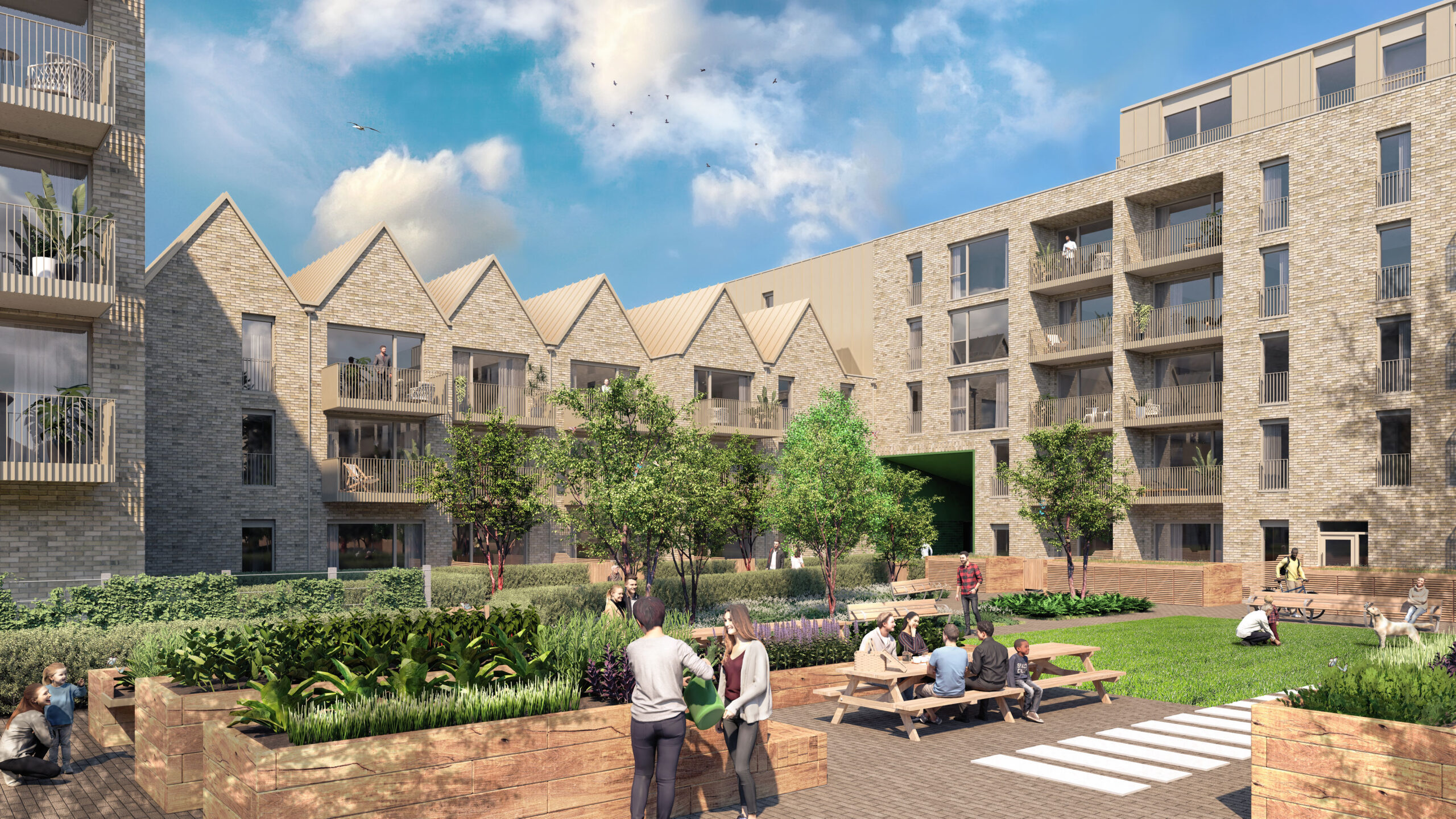
Sustainable Housing Development: Building Better Places to Live
Sustainable housing development is about creating homes and neighborhoods that meet people’s needs while using resources responsibly. It considers a building’s full life cycle—from site selection and construction to energy use, maintenance, and eventual renovation. The goal is not simply to make individual homes more efficient, but to create healthy, resilient communities that can thrive over time.
Designing for Energy Efficiency
Homes use energy for heating, cooling, lighting, appliances, and hot water. Thoughtful design can reduce that demand. Insulation, airtight construction, high-performance windows, and efficient heating and cooling systems help keep indoor temperatures comfortable with less energy. Orienting buildings to make good use of daylight and shade can also reduce the need for artificial lighting and mechanical cooling.
Where practical, renewable energy systems such as rooftop solar can supply some or all of a home’s electricity. These systems are most effective when paired with energy-efficient design, since reducing demand can make clean-energy investments more affordable and useful.
Using Materials Wisely
Construction materials have environmental impacts tied to their extraction, manufacturing, transportation, and disposal. Developers can reduce those impacts by choosing durable, responsibly sourced materials and designing buildings to minimize waste. Reused or recycled materials may also be suitable when they meet safety and performance requirements.
Durability matters. Materials that last longer and are easier to repair can reduce replacement costs and keep usable products out of landfills. Designing spaces that can adapt to changing needs—such as a growing household or a home-based business—can also extend a building’s useful life.
Managing Water
Water-conscious development can help conserve supplies and reduce pressure on local infrastructure. Efficient fixtures, leak-resistant plumbing, and water-smart landscaping are practical measures for many homes. Native and climate-adapted plants often require less irrigation once established, while rain gardens and permeable surfaces can help manage stormwater where site conditions allow.
Water strategies should reflect local conditions. A community facing drought may prioritize conservation and rainwater capture, while an area with heavy rainfall may focus on drainage and flood management.
Planning Beyond the Home
A sustainable home is part of a larger neighborhood. Housing near public transportation, schools, shops, parks, and essential services can make daily life more convenient and reduce reliance on driving. Safe sidewalks, protected bike routes, and accessible public spaces support health and help residents of different ages and abilities get around.
Compact, well-planned development can use land and infrastructure efficiently. It can also help protect natural areas when paired with careful site selection and limits on development in sensitive habitats, floodplains, and other vulnerable locations.
Building for Health and Resilience
Housing should protect residents from both everyday hazards and increasingly severe weather. Good ventilation, low-emission materials, and careful moisture control can support indoor air quality. Shade, trees, and thoughtful building design can help reduce heat exposure. Depending on local risks, resilient construction may also account for wildfire, flooding, extreme temperatures, or strong winds.
Resilience includes the ability to keep essential services available during disruptions. Efficient buildings, backup power options, accessible cooling spaces, and reliable emergency plans can help communities prepare for changing conditions.
Making Sustainable Housing Attainable
Environmental goals are most effective when housing is also affordable and accessible. Upfront costs can be a challenge, even when efficient features lower utility bills over time. Developers, local governments, lenders, and community organizations can work together to support practical financing, reduce unnecessary barriers, and ensure that new housing serves a range of incomes and household needs.
Residents should also have a meaningful role in decisions that affect their neighborhoods. Early, clear engagement can help identify local priorities, improve project design, and build trust. Sustainable development is stronger when its benefits—such as lower energy costs, safer streets, and access to green space—are shared broadly.
A Long-Term Approach
Sustainable housing development is not a single checklist or building feature. It brings together efficient design, responsible material choices, water conservation, community planning, health, affordability, and resilience. The right solutions vary by climate, location, budget, and local needs.
By considering these factors from the beginning, communities can create homes that use fewer resources, support residents’ well-being, and remain useful for generations. The most successful projects treat sustainability not as an added extra, but as a foundation for better places to live.
Understanding Sustainable Housing Development: Key Questions Answered
- What is sustainable housing development?
- How does sustainable housing reduce energy and water use?
- Are sustainable homes more expensive to build?
- What materials are commonly used in sustainable housing?
- How can sustainable housing development make neighborhoods healthier and more resilient?
What is sustainable housing development?
Sustainable housing development is the planning, design, construction, and maintenance of homes and communities in ways that meet people’s needs while conserving resources and reducing environmental impacts. It can include energy-efficient buildings, durable and responsibly sourced materials, water conservation, access to public transportation and essential services, and designs that support health and resilience. It also considers affordability and accessibility so that the benefits of sustainable housing can reach a broad range of residents.
How does sustainable housing reduce energy and water use?
Sustainable housing reduces energy use through features such as strong insulation, efficient windows, airtight construction, energy-saving appliances, and heating and cooling systems designed for high performance. Solar panels and daylight-conscious layouts can further reduce reliance on conventional electricity. Water use is lowered with low-flow faucets, showerheads, and toilets, leak-resistant plumbing, and water-wise landscaping that uses native or drought-tolerant plants. Together, these choices conserve resources and can help residents lower utility bills.
Are sustainable homes more expensive to build?
Sustainable homes can cost more to build upfront when they include features such as solar panels, high-performance windows, or specialized materials. However, the added cost varies by design, location, and available incentives—and many sustainable features, such as good insulation, efficient appliances, and durable materials, can be incorporated at modest cost when planned early. Lower energy and water bills, reduced maintenance, and a longer building lifespan may offset some of the initial investment over time. Comparing the home’s total cost of ownership, rather than construction price alone, gives a fuller picture.
What materials are commonly used in sustainable housing?
Sustainable housing often uses durable, energy-efficient, and responsibly sourced materials. Common choices include reclaimed or recycled wood, recycled steel, rapidly renewable materials such as bamboo, and products made with recycled content. Insulation may be made from cellulose, recycled denim, or mineral wool, while low-VOC paints, sealants, and finishes can help support healthier indoor air. The best options depend on local climate, availability, cost, and a material’s full life-cycle impacts—including how long it lasts and whether it can be reused or recycled.
How can sustainable housing development make neighborhoods healthier and more resilient?
Sustainable housing development can make neighborhoods healthier by improving indoor air quality, providing access to natural light and green spaces, and encouraging walking, biking, and public transit. It can also strengthen resilience through energy-efficient buildings, durable construction, stormwater management, and designs suited to local risks such as extreme heat, flooding, or wildfire. When homes are affordable and essential services are nearby, residents are better able to stay safe, connected, and comfortable during everyday life and emergencies.