
The Importance of Sustainable Cities and Communities in Achieving the SDGs
Sustainable Development Goal 11 (SDG 11) focuses on making cities and human settlements inclusive, safe, resilient, and sustainable. This goal highlights the crucial role that cities and communities play in achieving sustainable development globally. As the world’s population continues to urbanize rapidly, creating sustainable cities and communities becomes increasingly vital for ensuring a better quality of life for all.
Key Aspects of Sustainable Cities and Communities
Sustainable cities and communities prioritize several key aspects to create environments that are environmentally friendly, socially inclusive, economically viable, and resilient to challenges such as climate change:
- Urban Planning: Effective urban planning is essential for designing cities that are well-organized, accessible, and promote sustainable transportation options.
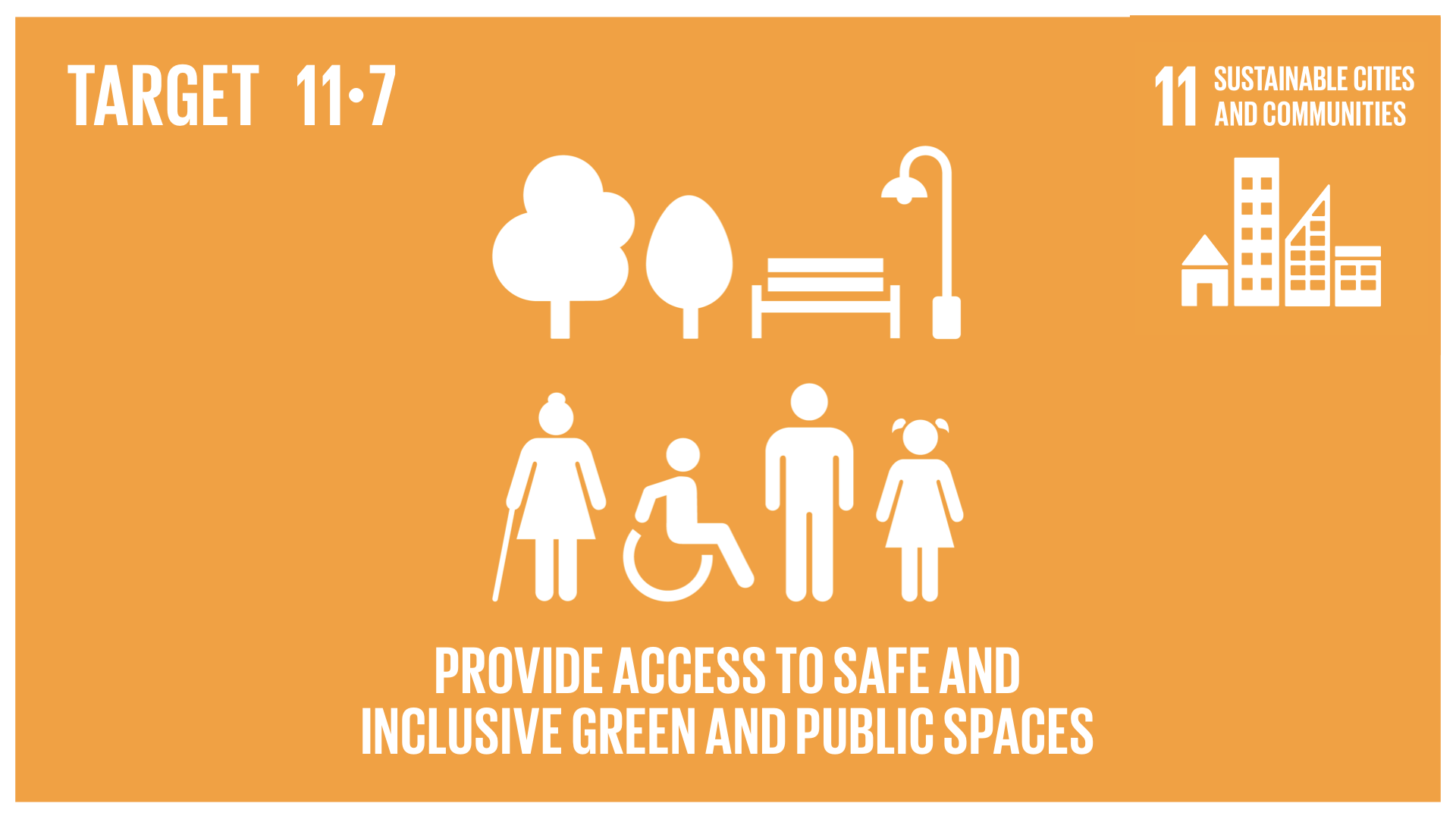
- Green Spaces: Incorporating green spaces into urban areas helps improve air quality, reduce urban heat islands, provide habitats for biodiversity, and enhance residents’ well-being.
- Infrastructure: Investing in sustainable infrastructure such as public transportation systems, renewable energy sources, efficient waste management solutions, and water conservation measures is crucial for reducing environmental impact.
- Social Inclusion: Building inclusive communities that cater to the needs of all residents regardless of their age, gender, ethnicity, or socioeconomic status fosters social cohesion and reduces inequalities.
- Resilience: Developing resilience to natural disasters and climate change effects through proper planning, infrastructure design, early warning systems, and community engagement is essential for ensuring long-term sustainability.
The Role of Sustainable Cities in Achieving the SDGs
Sustainable cities and communities are at the forefront of driving progress towards multiple Sustainable Development Goals beyond SDG 11. By implementing sustainable practices in urban areas, cities can contribute significantly to goals related to clean energy (SDG 7), responsible consumption and production (SDG 12), climate action (SDG 13), life below water (SDG 14), life on land (SDG 15), and more.
Furthermore, sustainable urban development can lead to improved public health outcomes by reducing pollution levels, enhancing access to healthcare services, promoting active lifestyles through walkable neighborhoods, and providing adequate sanitation facilities.
In Conclusion
Sustainable cities and communities are essential components of achieving the Sustainable Development Goals set forth by the United Nations. By prioritizing sustainability in urban planning, infrastructure development, social inclusion efforts, and resilience-building initiatives, cities can create healthier environments for current and future generations while contributing significantly to global efforts towards a more sustainable future.
Exploring Key Questions About Sustainable Cities and Communities for Achieving the SDGs
- What is the importance of sustainable cities and communities in achieving the SDGs?
- How can urban planning contribute to creating sustainable cities and communities?
- What are some key aspects that make a city or community sustainable?
- Why is social inclusion crucial for building sustainable cities and communities?
- How do sustainable cities help address environmental challenges like climate change and pollution?
What is the importance of sustainable cities and communities in achieving the SDGs?
The importance of sustainable cities and communities in achieving the SDGs lies in their pivotal role as engines of progress towards a more sustainable future. By prioritizing sustainability in urban planning, infrastructure development, social inclusion efforts, and resilience-building initiatives, cities can significantly contribute to multiple Sustainable Development Goals beyond SDG 11. Sustainable cities promote environmental stewardship, social equity, economic prosperity, and resilience to challenges such as climate change. They serve as hubs for innovation, collaboration, and positive change, demonstrating that holistic urban development is essential for realizing the broader vision of a more equitable and sustainable world outlined by the SDGs.
How can urban planning contribute to creating sustainable cities and communities?
Urban planning plays a crucial role in contributing to the creation of sustainable cities and communities by shaping the physical, social, and economic aspects of urban areas. Through effective urban planning practices, cities can optimize land use, promote mixed land-use development, and prioritize sustainable transportation options such as public transit and cycling infrastructure. Additionally, urban planning can facilitate the integration of green spaces, renewable energy sources, and efficient waste management systems into city design to enhance environmental sustainability. By fostering social inclusion through accessible amenities, affordable housing options, and community engagement opportunities, urban planning helps create vibrant and resilient communities that cater to the diverse needs of residents while promoting long-term sustainability goals.
What are some key aspects that make a city or community sustainable?
Several key aspects contribute to making a city or community sustainable. These include effective urban planning that prioritizes accessibility, connectivity, and efficient land use. Incorporating green spaces within urban areas promotes biodiversity, improves air quality, and enhances residents’ well-being. Sustainable infrastructure, such as renewable energy sources, efficient waste management systems, and public transportation options, plays a crucial role in reducing environmental impact. Social inclusion efforts that cater to the diverse needs of all community members foster cohesion and reduce inequalities. Building resilience to climate change and natural disasters through proper planning and community engagement is also essential for creating sustainable cities and communities that can thrive in the long term.
Why is social inclusion crucial for building sustainable cities and communities?
Social inclusion is crucial for building sustainable cities and communities because it ensures that all individuals, regardless of their background or circumstances, have equal access to resources, opportunities, and services within urban environments. By fostering social inclusion, cities can create a sense of belonging and cohesion among residents, leading to stronger community bonds and a more harmonious society. Inclusive policies and practices help address inequalities, reduce social disparities, and promote diversity, ultimately contributing to the overall resilience, stability, and sustainability of cities and communities. Embracing social inclusion in urban planning and development is not only a matter of equity but also a strategic approach to building thriving, livable environments that benefit everyone.
How do sustainable cities help address environmental challenges like climate change and pollution?
Sustainable cities play a crucial role in addressing environmental challenges such as climate change and pollution by implementing eco-friendly practices and innovative solutions. By prioritizing sustainable urban planning, cities can reduce greenhouse gas emissions through efficient transportation systems, green building designs, and renewable energy sources. Additionally, sustainable cities promote waste reduction and recycling programs to minimize pollution levels and improve air quality. Through the creation of green spaces, implementation of sustainable infrastructure, and adoption of eco-conscious policies, sustainable cities contribute significantly to mitigating climate change impacts and fostering a healthier environment for residents and future generations.