
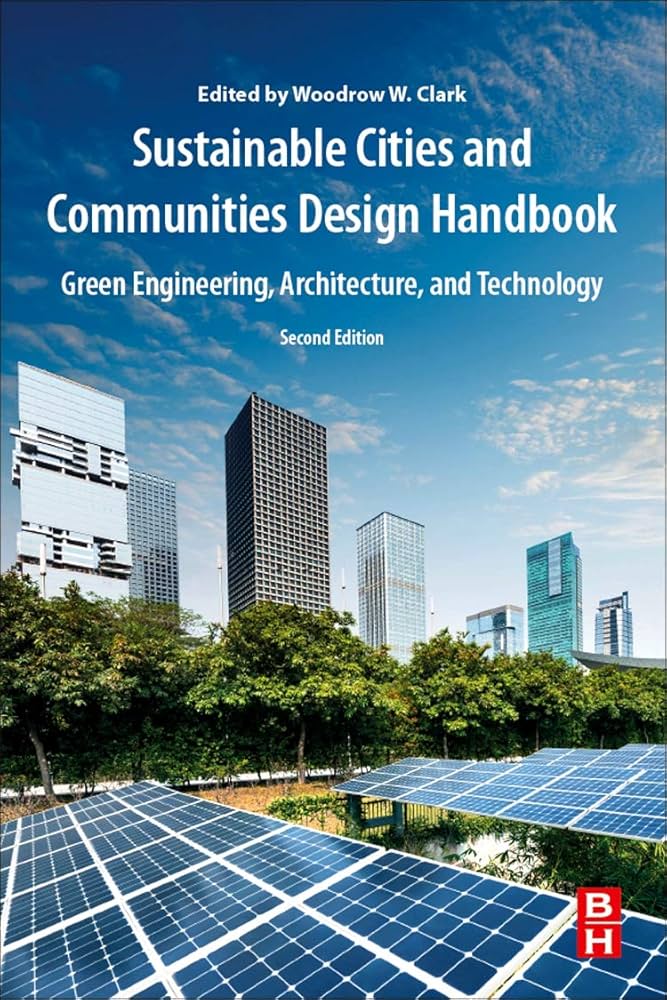
Sustainable Cities and Communities: Examples of Innovative Practices
In an era where urbanization is rapidly increasing, the concept of sustainable cities and communities has become more crucial than ever. Many cities around the world are implementing innovative practices to promote sustainability, reduce environmental impact, and enhance the quality of life for their residents. Here are some inspiring examples:
Copenhagen, Denmark
Copenhagen is renowned for its commitment to sustainability. The city has set ambitious goals to become carbon neutral by 2025 and has made significant progress in promoting cycling as a primary mode of transportation. With extensive bike lanes, bike-sharing programs, and pedestrian-friendly streets, Copenhagen has reduced traffic congestion and air pollution while encouraging a healthier lifestyle for its citizens.
Curitiba, Brazil
Curitiba is a pioneer in urban planning and sustainable development. The city’s innovative bus rapid transit system has revolutionized public transportation, reducing car dependency and greenhouse gas emissions. Curitiba also boasts an extensive network of green spaces, recycling initiatives, and affordable housing projects that prioritize social equity and environmental protection.
Portland, United States
Portland is known for its progressive approach to sustainability. The city has implemented strict land use policies to preserve natural areas and promote compact urban development. Portland also leads in renewable energy adoption, with a high percentage of electricity generated from clean sources such as wind and solar power. Additionally, the city encourages eco-friendly practices through composting programs and energy-efficient building standards.
Singapore
Singapore exemplifies how a densely populated city can thrive sustainably. The Lion City prioritizes water conservation through advanced technologies like rainwater harvesting and wastewater recycling. Singapore also focuses on green building design, with many structures incorporating energy-saving features and green roofs to reduce heat island effects. By investing in sustainable infrastructure and green initiatives, Singapore aims to be a model for urban sustainability in Asia.
These examples demonstrate that sustainable cities and communities are not just a vision for the future but a tangible reality being embraced by forward-thinking urban centers worldwide. By adopting innovative practices that prioritize environmental stewardship, social equity, and economic prosperity, cities can create vibrant communities that thrive in harmony with nature.
5 Benefits of Sustainable Cities: Environmental Conservation, Public Health, Social Equity, Economic Growth, and Resilient Infrastructure
- Promote environmental conservation and reduce carbon footprint
- Enhance public health and well-being through green spaces and active transportation options
- Foster social equity by providing affordable housing and access to essential services for all residents
- Stimulate economic growth by attracting sustainable businesses and creating green job opportunities
- Build resilient infrastructure that can withstand the challenges of climate change and natural disasters
Challenges Facing Sustainable Cities: High Costs, Infrastructure Disruptions, and Social Equity Concerns
- Initial implementation costs of sustainable infrastructure and technologies can be high, posing financial challenges for cities with limited budgets.
- Balancing the needs of existing infrastructure with sustainability goals may require significant retrofitting or redevelopment, causing disruptions and inconveniences to residents.
- Sustainable practices such as green building standards or renewable energy adoption may face resistance from stakeholders who prioritize short-term economic gains over long-term environmental benefits.
- Transitioning to sustainable transportation options like public transit or cycling infrastructure can be met with resistance from car-dependent populations accustomed to personal vehicles.
- Social equity issues may arise if sustainable initiatives inadvertently displace marginalized communities or lead to gentrification, pricing out low-income residents from newly developed areas.
- The success of sustainable cities heavily relies on effective governance, collaboration among stakeholders, and long-term commitment, which can be challenging to maintain amidst changing political landscapes.
Promote environmental conservation and reduce carbon footprint
Sustainable cities and communities play a vital role in promoting environmental conservation and reducing carbon footprint. By implementing green infrastructure, renewable energy sources, and sustainable transportation systems, these urban centers actively contribute to mitigating climate change and preserving natural resources. Through initiatives such as tree planting programs, waste reduction strategies, and energy-efficient building standards, sustainable cities demonstrate a commitment to minimizing their environmental impact and fostering a healthier planet for current and future generations. By prioritizing sustainability, these communities serve as inspiring examples of how collective efforts can lead to significant reductions in carbon emissions and create a more resilient environment for all.
Enhance public health and well-being through green spaces and active transportation options
Sustainable cities and communities that prioritize green spaces and active transportation options have a profound impact on public health and well-being. By providing ample parks, gardens, and recreational areas, residents have opportunities to engage in physical activities, reduce stress levels, and improve mental health. Additionally, promoting walking, cycling, and public transit not only reduces air pollution and traffic congestion but also encourages a more active lifestyle, leading to lower rates of obesity and chronic diseases. These initiatives create healthier environments where people can thrive physically, mentally, and emotionally.
Foster social equity by providing affordable housing and access to essential services for all residents
One significant pro of sustainable cities and communities is their ability to foster social equity by ensuring affordable housing and access to essential services for all residents. By prioritizing inclusive urban planning and development, sustainable cities create a more equitable environment where people from diverse socio-economic backgrounds can afford decent housing and have equal access to healthcare, education, transportation, and other essential services. This commitment to social equity not only enhances the quality of life for all residents but also promotes a sense of community cohesion and solidarity, ultimately contributing to a more just and compassionate society.
Stimulate economic growth by attracting sustainable businesses and creating green job opportunities
Sustainable cities and communities have a significant advantage in stimulating economic growth by attracting sustainable businesses and creating green job opportunities. By prioritizing environmentally friendly practices and infrastructure, these cities appeal to businesses that value sustainability and social responsibility. This, in turn, leads to the establishment of green industries, such as renewable energy, eco-friendly construction, and waste management, which not only contribute to a healthier environment but also generate employment opportunities. As sustainable businesses thrive in these communities, they drive innovation, promote economic resilience, and foster a more sustainable economy for the future.
Build resilient infrastructure that can withstand the challenges of climate change and natural disasters
Sustainable cities and communities exemplify the proactive approach of building resilient infrastructure capable of withstanding the challenges posed by climate change and natural disasters. By integrating sustainable design principles, such as green infrastructure, flood-resistant buildings, and efficient drainage systems, these urban areas are better equipped to mitigate the impacts of extreme weather events and environmental hazards. Investing in resilient infrastructure not only safeguards lives and property but also promotes long-term sustainability, ensuring that cities can adapt and thrive in the face of a changing climate and unpredictable natural disasters.
Initial implementation costs of sustainable infrastructure and technologies can be high, posing financial challenges for cities with limited budgets.
The initial implementation costs of sustainable infrastructure and technologies can present a significant challenge for cities with limited budgets. While investing in sustainable practices can yield long-term benefits such as reduced operating costs and environmental impact, the upfront expenses may strain municipal finances. Cities facing financial constraints must carefully weigh the costs and benefits of sustainable initiatives, seeking creative funding solutions and partnerships to overcome budgetary limitations and ensure the long-term viability of their sustainability goals.
Balancing the needs of existing infrastructure with sustainability goals may require significant retrofitting or redevelopment, causing disruptions and inconveniences to residents.
Balancing the needs of existing infrastructure with sustainability goals in sustainable cities and communities can present a significant challenge. Achieving sustainability often entails retrofitting or redevelopment of outdated infrastructure, which can lead to disruptions and inconveniences for residents. Construction projects aimed at improving energy efficiency, implementing green transportation systems, or enhancing green spaces may require temporary road closures, noise disturbances, and changes in daily routines for those living in the affected areas. Despite the short-term inconveniences, these efforts are essential for creating more resilient and environmentally friendly urban environments in the long run.
Sustainable practices such as green building standards or renewable energy adoption may face resistance from stakeholders who prioritize short-term economic gains over long-term environmental benefits.
One significant con of sustainable cities and communities examples is the resistance that sustainable practices, such as green building standards or renewable energy adoption, may face from stakeholders who prioritize short-term economic gains over long-term environmental benefits. In some cases, decision-makers and developers may be hesitant to invest in eco-friendly initiatives due to concerns about initial costs or perceived impacts on profitability. This short-sighted approach can hinder progress towards sustainability goals and limit the potential positive impacts that these practices could have on the environment and community well-being in the long run. Efforts to overcome this con often involve education, advocacy, and demonstrating the tangible benefits of sustainable practices in terms of cost savings, resilience, and overall quality of life for residents.
Transitioning to sustainable transportation options like public transit or cycling infrastructure can be met with resistance from car-dependent populations accustomed to personal vehicles.
Transitioning to sustainable transportation options like public transit or cycling infrastructure can be met with resistance from car-dependent populations accustomed to personal vehicles. This resistance often stems from concerns about convenience, comfort, and the perceived inconvenience of alternative modes of transportation. Encouraging a shift towards sustainable mobility requires addressing these challenges through effective communication, infrastructure improvements, and incentives that make public transit and cycling more attractive and accessible options for all residents. By engaging with communities, listening to their needs, and providing viable alternatives, cities can overcome resistance and pave the way for a more sustainable future in transportation.
Social equity issues may arise if sustainable initiatives inadvertently displace marginalized communities or lead to gentrification, pricing out low-income residents from newly developed areas.
Social equity issues may arise as a con of sustainable cities and communities examples when initiatives inadvertently displace marginalized communities or contribute to gentrification. While sustainability efforts aim to improve overall quality of life, there is a risk that low-income residents may be priced out of newly developed areas, leading to social exclusion and inequality. It is essential for sustainable development strategies to prioritize inclusivity and consider the needs of all community members to ensure that progress towards environmental sustainability does not come at the expense of social justice.
The success of sustainable cities heavily relies on effective governance, collaboration among stakeholders, and long-term commitment, which can be challenging to maintain amidst changing political landscapes.
The con of sustainable cities and communities lies in the intricate balance required for success. Effective governance, collaboration among stakeholders, and long-term commitment are essential pillars that sustainably built environments rely upon. However, the challenge arises when these foundations face disruptions due to changing political landscapes. The shifting priorities and policies brought about by political changes can hinder the continuity and progress of sustainable initiatives, making it difficult to maintain the momentum needed for long-term sustainability goals.