
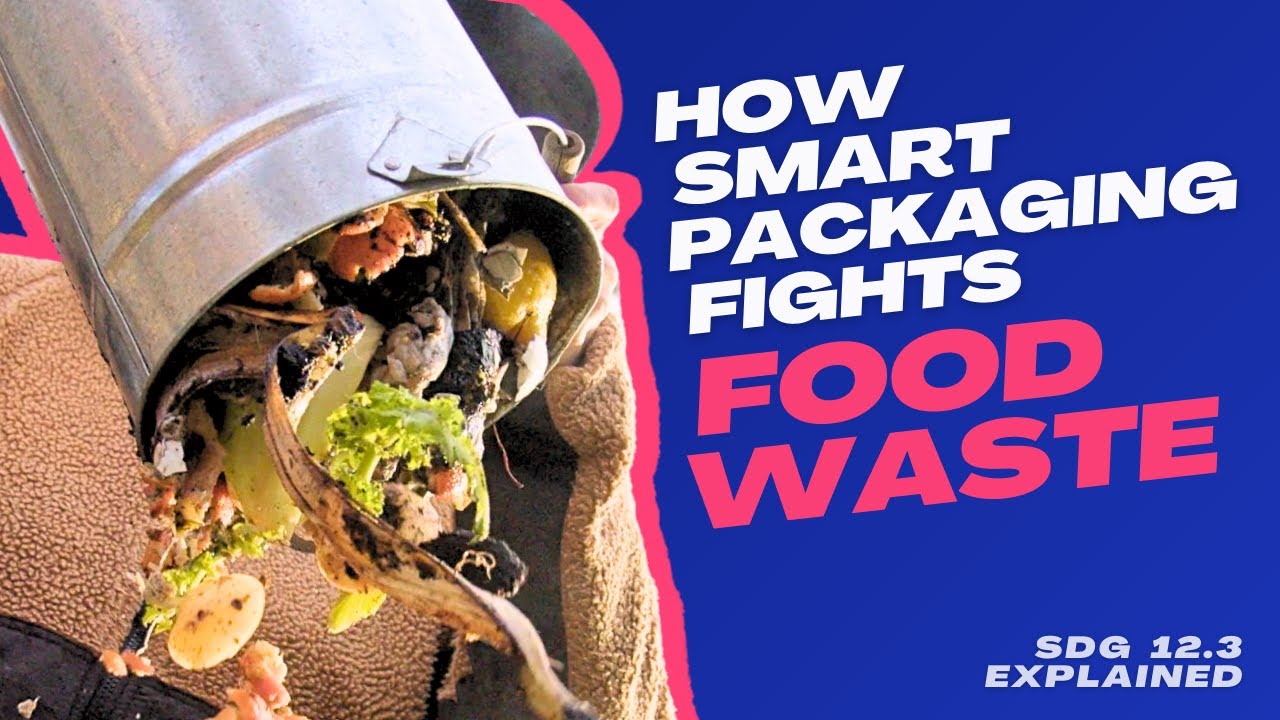
The Importance of Sustainable Development Goal 12.3
Sustainable Development Goal (SDG) 12.3 is a crucial target set by the United Nations to address the issue of food waste and promote sustainable consumption and production patterns. This goal aims to halve per capita global food waste at the retail and consumer levels and reduce food losses along production and supply chains by 2030.
Food waste is a significant global challenge with far-reaching economic, social, and environmental implications. According to the Food and Agriculture Organization (FAO) of the United Nations, approximately one-third of all food produced for human consumption is lost or wasted each year. This not only contributes to hunger and malnutrition but also exacerbates environmental degradation through increased greenhouse gas emissions, water wastage, and land use.
By targeting SDG 12.3, countries around the world are committing to taking concrete actions to minimize food waste throughout the entire food supply chain. This includes implementing measures to improve harvesting, storage, processing, distribution, and consumption practices to ensure that food is utilized efficiently and sustainably.
Reducing food waste in line with SDG 12.3 offers numerous benefits. It can help alleviate food insecurity by redirecting surplus food to those in need, thereby reducing hunger and poverty levels. Additionally, cutting down on food waste can lead to cost savings for businesses, enhance resource efficiency, and mitigate environmental impacts associated with agriculture and food production.
Individuals also play a crucial role in achieving SDG 12.3 by adopting mindful consumption habits, such as planning meals effectively, avoiding over-purchasing groceries, and utilizing leftovers creatively. By making conscious choices about what we buy, eat, and discard, each person can contribute to reducing overall food waste and promoting a more sustainable future for all.
In conclusion, Sustainable Development Goal 12.3 represents a vital step towards building a more resilient and equitable global food system. By working together to combat food waste at all levels of society, we can create a world where resources are used efficiently, hunger is minimized, and environmental sustainability is prioritized for current and future generations.
7 Effective Tips to Reduce Food Waste and Promote Sustainable Consumption
- Reduce food waste by planning meals and storing food properly.
- Buy only what you need and avoid impulse purchases to minimize food waste.
- Support initiatives that promote sustainable agriculture and responsible production.
- Donate excess food to local charities or food banks instead of throwing it away.
- Compost organic waste to reduce methane emissions from landfills.
- Choose products with minimal packaging or opt for eco-friendly packaging options.
- Educate yourself and others about the importance of reducing food waste for a more sustainable future.
Reduce food waste by planning meals and storing food properly.
Reducing food waste is a key aspect of achieving Sustainable Development Goal 12.3. One effective tip to minimize food waste is to plan meals thoughtfully and store food properly. By planning ahead, individuals can purchase only what they need, reducing the likelihood of excess food being thrown away. Additionally, storing perishable items correctly, such as in airtight containers or the refrigerator, helps extend their shelf life and maintain freshness, further preventing unnecessary waste. By incorporating these practices into daily routines, individuals can contribute to the global effort to combat food waste and promote sustainable consumption patterns.
Buy only what you need and avoid impulse purchases to minimize food waste.
One effective way to contribute to achieving Sustainable Development Goal 12.3 is by practicing mindful shopping habits. By buying only what you need and avoiding impulse purchases, you can significantly reduce food waste in your household. Planning your meals, creating shopping lists based on actual necessities, and resisting the temptation to buy more than required not only helps minimize wastage but also saves money and resources. By being conscious of your consumption patterns and making thoughtful choices while shopping, you play a valuable role in promoting sustainable consumption practices and supporting the goals of SDG 12.3.
Support initiatives that promote sustainable agriculture and responsible production.
Supporting initiatives that promote sustainable agriculture and responsible production is a key component of achieving Sustainable Development Goal 12.3. By backing efforts that prioritize environmentally friendly farming practices, minimize waste, and ensure fair treatment of workers, individuals and organizations can contribute to a more sustainable food system. Sustainable agriculture not only helps preserve natural resources and biodiversity but also enhances food security and resilience to climate change. By encouraging responsible production methods, we can reduce the environmental footprint of the food industry while fostering economic development and social equity. Embracing these initiatives is essential for creating a more sustainable future for our planet and all its inhabitants.
Donate excess food to local charities or food banks instead of throwing it away.
One effective way to contribute to achieving Sustainable Development Goal 12.3 is by donating excess food to local charities or food banks instead of throwing it away. By redirecting surplus food to those in need, you not only help reduce food waste but also support individuals facing food insecurity in your community. This simple act of donation can have a significant impact on alleviating hunger, promoting sustainable consumption practices, and fostering a sense of solidarity and compassion within society. By choosing to donate rather than discard excess food, you play a direct role in advancing the goals of sustainability and social responsibility outlined in SDG 12.3.
Compost organic waste to reduce methane emissions from landfills.
Composting organic waste is a practical and effective tip aligned with Sustainable Development Goal 12.3. By diverting organic materials such as food scraps and yard waste from landfills and instead turning them into nutrient-rich compost, we can significantly reduce methane emissions, a potent greenhouse gas that contributes to climate change. Composting not only helps mitigate environmental impacts but also creates valuable soil amendments for gardening and agriculture, promoting a circular economy approach to waste management. Embracing composting as a sustainable practice empowers individuals and communities to play a proactive role in reducing food waste, minimizing carbon footprints, and fostering a healthier planet for all.
Choose products with minimal packaging or opt for eco-friendly packaging options.
To support Sustainable Development Goal 12.3, it is essential to make conscious choices when selecting products by opting for items with minimal packaging or choosing eco-friendly packaging alternatives. By reducing the amount of packaging used for products, we can help minimize waste generation and lower the environmental impact associated with production and disposal. Embracing eco-friendly packaging options, such as biodegradable materials or reusable containers, not only contributes to the goal of reducing food waste but also promotes sustainable consumption practices that benefit both people and the planet.
Educate yourself and others about the importance of reducing food waste for a more sustainable future.
Educating yourself and others about the significance of reducing food waste is a critical step towards achieving Sustainable Development Goal 12.3. By raising awareness about the environmental, social, and economic impacts of food waste, individuals can make informed decisions that contribute to a more sustainable future. Through sharing knowledge, promoting mindful consumption practices, and supporting initiatives that address food waste, we can all play a part in creating a world where resources are utilized efficiently, hunger is alleviated, and sustainable development is prioritized for the well-being of both people and the planet.