
The Urgency of Climate Action: Exploring Solutions for a Sustainable Future
Climate change is one of the most pressing challenges of our time, with far-reaching impacts on the environment, economy, and society. To combat this global crisis, urgent action is required at all levels – from individuals to governments and businesses. Fortunately, there are a variety of solutions available that can help mitigate climate change and build a more sustainable future for generations to come.
Renewable Energy
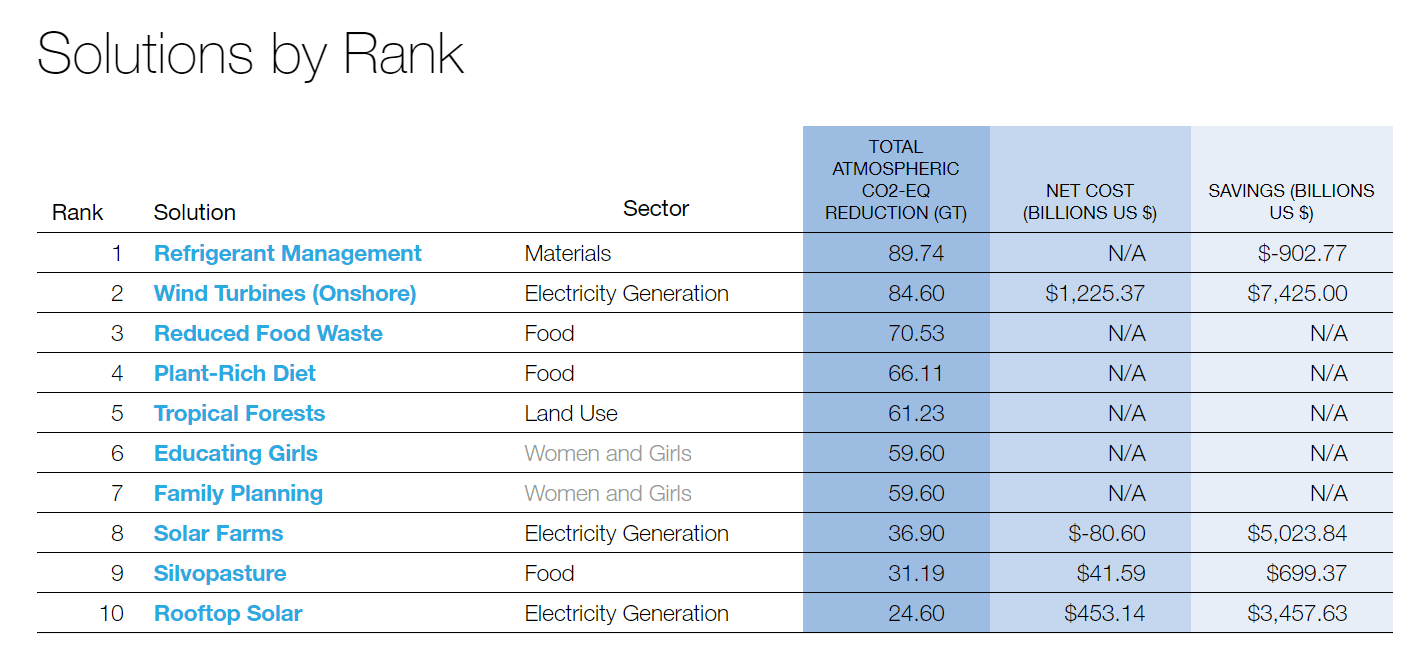
Transitioning from fossil fuels to renewable energy sources such as solar, wind, and hydropower is crucial in reducing greenhouse gas emissions. Investing in renewable energy not only helps combat climate change but also creates jobs and promotes energy independence.
Sustainable Transportation
Promoting sustainable transportation options such as public transit, biking, walking, and electric vehicles can significantly reduce carbon emissions from the transportation sector. Encouraging the use of clean transportation alternatives is essential in combating climate change.
Forest Conservation
Protecting and restoring forests play a vital role in mitigating climate change. Trees absorb carbon dioxide from the atmosphere, helping to reduce greenhouse gas concentrations. Supporting initiatives that prevent deforestation and promote reforestation is critical for climate action.
Energy Efficiency
Improving energy efficiency in buildings, appliances, and industries can lead to significant reductions in energy consumption and greenhouse gas emissions. Implementing energy-efficient technologies and practices is an effective way to address climate change while saving money on energy costs.
Sustainable Agriculture
Agriculture is a significant contributor to greenhouse gas emissions through practices such as deforestation, livestock production, and use of synthetic fertilizers. Transitioning to sustainable agricultural methods that prioritize soil health, biodiversity conservation, and carbon sequestration can help reduce emissions and build resilience to climate change.
Community Engagement
Engaging communities in climate action initiatives fosters awareness, collaboration, and collective impact. Empowering individuals to take sustainable actions in their daily lives – such as reducing waste, conserving water, and supporting local green initiatives – can contribute to meaningful progress in addressing climate change.
In conclusion, addressing climate change requires a multi-faceted approach that combines policy interventions, technological innovations, behavioral changes, and community engagement. By implementing solutions such as renewable energy adoption, sustainable transportation practices,
forest conservation efforts,
energy efficiency improvements,
sustainable agriculture methods,
community engagement strategies,
we can work together towards a more sustainable future for our planet.
Six Effective Strategies for Climate Action and Sustainability
- Reduce, reuse, and recycle to minimize waste and conserve resources.
- Switch to renewable energy sources like solar or wind power.
- Support sustainable transportation options such as walking, biking, or public transit.
- Plant trees and support reforestation efforts to absorb carbon dioxide from the atmosphere.
- Advocate for policies that promote environmental protection and combat climate change.
- Educate yourself and others about the importance of taking action to address climate change.
Reduce, reuse, and recycle to minimize waste and conserve resources.
Reducing, reusing, and recycling are essential practices in the fight against climate change. By minimizing waste and conserving resources through these actions, we can significantly decrease the environmental impact of our consumption habits. Reducing our overall waste production, reusing items whenever possible, and recycling materials to give them a new life not only helps to lessen the burden on landfills but also reduces the need for raw material extraction and energy-intensive production processes. Embracing the principles of reduce, reuse, and recycle is a simple yet powerful way for individuals to contribute to a more sustainable future for our planet.
Switch to renewable energy sources like solar or wind power.
Switching to renewable energy sources like solar or wind power is a crucial step in combating climate change. By transitioning away from fossil fuels and embracing clean, sustainable energy alternatives, we can significantly reduce greenhouse gas emissions and lessen our impact on the environment. Harnessing the power of the sun and wind not only helps mitigate climate change but also promotes energy independence, creates green jobs, and contributes to a more resilient and sustainable future for generations to come.
Support sustainable transportation options such as walking, biking, or public transit.
Supporting sustainable transportation options such as walking, biking, or public transit is a practical and effective way to reduce carbon emissions and combat climate change. By choosing to walk or bike for short distances instead of driving a car, individuals can contribute to lower greenhouse gas emissions and improve air quality in their communities. Additionally, utilizing public transit systems not only reduces individual carbon footprints but also helps alleviate traffic congestion and promote more efficient use of resources. Embracing sustainable transportation options is a simple yet impactful step towards building a greener and more sustainable future for all.
Plant trees and support reforestation efforts to absorb carbon dioxide from the atmosphere.
Planting trees and supporting reforestation efforts are powerful solutions for climate action. Trees act as natural carbon sinks, absorbing carbon dioxide from the atmosphere through photosynthesis and storing it in their biomass. By increasing forest cover and restoring degraded landscapes, we can enhance carbon sequestration, mitigate climate change, and promote biodiversity. Investing in tree planting initiatives not only helps combat global warming but also contributes to creating healthier ecosystems and more resilient communities for the future.
Advocate for policies that promote environmental protection and combat climate change.
Advocating for policies that promote environmental protection and combat climate change is crucial in driving systemic change on a larger scale. By supporting legislation and initiatives that prioritize sustainability, renewable energy, conservation efforts, and emissions reductions, individuals and organizations can influence government actions and corporate practices to align with the goals of mitigating climate change. Policy advocacy serves as a powerful tool in shaping a more sustainable future for our planet by encouraging decision-makers to prioritize environmental stewardship and long-term sustainability over short-term gains.
Educate yourself and others about the importance of taking action to address climate change.
Educating oneself and others about the critical importance of taking action to address climate change is a fundamental step towards creating meaningful change. By raising awareness, sharing knowledge, and fostering a deeper understanding of the impacts of climate change, individuals can empower themselves and their communities to make informed decisions and advocate for sustainable solutions. Education serves as a powerful tool in inspiring collective action and driving positive environmental outcomes for a more resilient and sustainable future.