
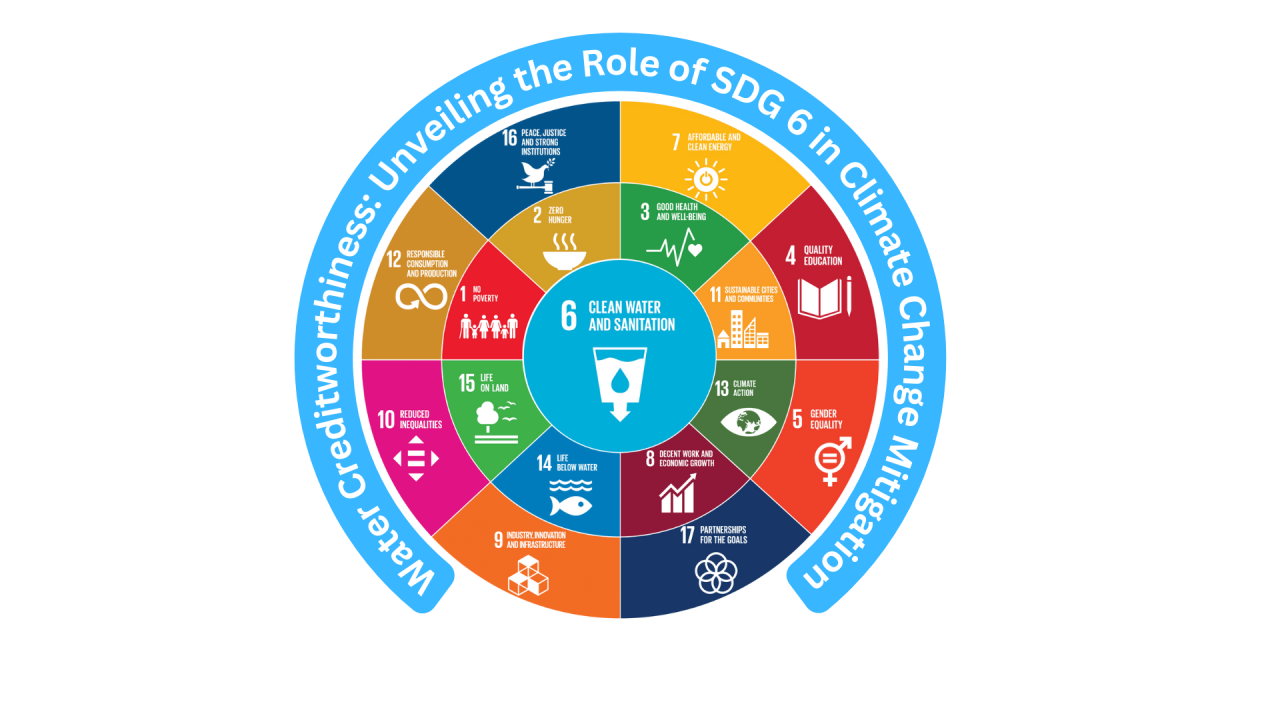
The Sustainable Development Goal on Climate Change
Climate change is one of the most pressing challenges of our time, affecting every corner of the globe and posing a threat to our environment, economies, and societies. In response to this urgent issue, the United Nations has included climate action as one of the Sustainable Development Goals (SDGs) to be achieved by 2030.
The SDG on climate change, known as SDG 13, focuses on taking urgent action to combat climate change and its impacts. This goal recognizes that climate change is a global problem that requires coordinated efforts from all countries and sectors of society.
Key targets of SDG 13 include strengthening resilience and adaptive capacity to climate-related disasters, integrating climate change measures into national policies, improving education and awareness on climate change mitigation, and mobilizing financial resources to support developing countries in their climate actions.
By addressing climate change through the SDGs, countries are committing to reducing greenhouse gas emissions, transitioning to renewable energy sources, protecting ecosystems and biodiversity, and promoting sustainable practices in industries such as agriculture, transportation, and energy production.
Achieving the goals set out in SDG 13 is crucial for safeguarding our planet for future generations. It requires collaboration between governments, businesses, civil society organizations, and individuals to implement sustainable solutions that will mitigate the impacts of climate change and create a more resilient world for all.
As we work towards achieving SDG 13 and combating climate change, it is essential for everyone to play their part by reducing their carbon footprint, supporting initiatives that promote sustainability, advocating for policies that address climate change at all levels of governance, and raising awareness about the importance of taking action now to protect our planet.
8 Essential Tips for Supporting Climate Action and Sustainability
- Reduce energy consumption by using energy-efficient appliances and lighting.
- Switch to renewable energy sources such as solar or wind power.
- Minimize waste by recycling and composting.
- Support sustainable transportation options like walking, biking, or public transit.
- Plant trees and support reforestation efforts to absorb carbon dioxide from the atmosphere.
- Advocate for policies that promote climate action and reduce greenhouse gas emissions.
- Educate others about the importance of addressing climate change and its impact on the environment.
- Take individual actions such as reducing water usage, eating a plant-based diet, and avoiding single-use plastics.
Reduce energy consumption by using energy-efficient appliances and lighting.
By reducing energy consumption through the use of energy-efficient appliances and lighting, individuals can make a significant contribution to achieving the Sustainable Development Goal on climate change. Energy-efficient appliances and lighting not only help lower electricity bills but also reduce greenhouse gas emissions that contribute to global warming. Making simple changes, such as replacing old appliances with energy-efficient models and switching to LED light bulbs, can have a positive impact on the environment by conserving energy resources and promoting sustainability for future generations.
Switch to renewable energy sources such as solar or wind power.
Switching to renewable energy sources such as solar or wind power is a crucial step in addressing climate change and achieving the Sustainable Development Goal on climate action. By transitioning away from fossil fuels to clean, sustainable energy sources, we can significantly reduce greenhouse gas emissions and combat the negative impacts of climate change. Embracing solar and wind power not only helps to mitigate environmental damage but also promotes energy independence, creates green jobs, and fosters a more sustainable future for generations to come.
Minimize waste by recycling and composting.
Minimizing waste through recycling and composting is a crucial step in contributing to the Sustainable Development Goal on climate change. By recycling materials and composting organic waste, we can reduce the amount of waste sent to landfills, decrease greenhouse gas emissions associated with waste decomposition, and conserve valuable resources. This simple yet effective practice not only helps in mitigating climate change but also promotes a more sustainable and circular economy where resources are reused and repurposed, ultimately leading to a healthier planet for current and future generations.
Support sustainable transportation options like walking, biking, or public transit.
Supporting sustainable transportation options like walking, biking, or public transit is a simple yet impactful way to contribute to the Sustainable Development Goal on climate change. By choosing these eco-friendly modes of transportation, individuals can reduce their carbon footprint, decrease air pollution, and alleviate traffic congestion. Encouraging and investing in sustainable transportation not only promotes a healthier environment but also fosters more livable and vibrant communities. Making the switch to walking, biking, or using public transit is a step towards a greener future and a more sustainable world for generations to come.
Plant trees and support reforestation efforts to absorb carbon dioxide from the atmosphere.
Planting trees and supporting reforestation efforts play a crucial role in addressing the Sustainable Development Goal on climate change. Trees act as natural carbon sinks, absorbing carbon dioxide from the atmosphere through photosynthesis and helping to mitigate the impacts of greenhouse gas emissions. By increasing forest cover and promoting reforestation initiatives, we can enhance carbon sequestration, improve air quality, and protect biodiversity. Taking action to plant trees not only contributes to combating climate change but also fosters sustainable ecosystems that benefit both the environment and communities worldwide.
Advocate for policies that promote climate action and reduce greenhouse gas emissions.
Advocating for policies that promote climate action and reduce greenhouse gas emissions is crucial in addressing the challenges of climate change. By supporting and pushing for policies that prioritize sustainability, renewable energy, and emission reduction measures, we can contribute to a more sustainable future for our planet. It is through active advocacy and engagement with policymakers that we can drive meaningful change and create a regulatory environment that supports the transition to a low-carbon economy. Let’s work together to ensure that our voices are heard and that policies align with the goals of sustainable development and climate action.
Educate others about the importance of addressing climate change and its impact on the environment.
It is crucial to educate others about the significance of addressing climate change and its profound impact on the environment. By raising awareness about the urgent need for climate action, we can inspire individuals and communities to take meaningful steps towards sustainability. Through education, we empower people to make informed choices, adopt eco-friendly practices, and advocate for policies that prioritize environmental protection. Together, by spreading knowledge and understanding about the effects of climate change, we can work towards a more resilient and sustainable future for our planet.
Take individual actions such as reducing water usage, eating a plant-based diet, and avoiding single-use plastics.
Taking individual actions such as reducing water usage, adopting a plant-based diet, and avoiding single-use plastics are impactful steps towards achieving the Sustainable Development Goal on climate change. By conserving water, we not only reduce our carbon footprint but also help preserve this precious resource for future generations. Embracing a plant-based diet can significantly lower greenhouse gas emissions associated with animal agriculture and promote sustainable food production. Additionally, by avoiding single-use plastics, we can minimize plastic pollution in our environment and support a more circular economy. Each small action contributes to the larger goal of combatting climate change and building a more sustainable world for all.