
The Relationship Between SDGs and ESG: Working Towards a Sustainable Future
In recent years, the terms Sustainable Development Goals (SDGs) and Environmental, Social, and Governance (ESG) have gained significant traction in the realm of sustainability and responsible investing. While they may seem like separate concepts, understanding how they are interconnected is crucial for achieving a more sustainable future for our planet.
What are SDGs?
The Sustainable Development Goals, also known as the Global Goals, were adopted by all United Nations Member States in 2015 as a universal call to action to end poverty, protect the planet, and ensure prosperity for all by 2030. There are 17 interconnected goals that address various social, economic, and environmental challenges facing our world today.
What is ESG?
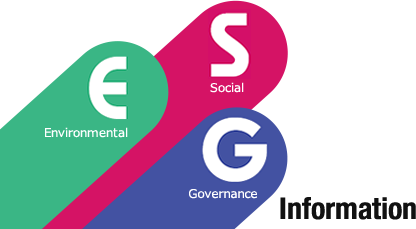
Environmental, Social, and Governance criteria are a set of standards that socially conscious investors use to screen potential investments. ESG factors help investors evaluate the sustainability and ethical impact of a company’s operations. Environmental criteria focus on how companies perform as stewards of nature; social criteria examine how businesses manage relationships with employees, suppliers, customers, and communities; governance deals with a company’s leadership, executive pay, audits, internal controls, and shareholder rights.
The Interplay Between SDGs and ESG
While SDGs provide a global framework for sustainable development goals that governments should strive to achieve by 2030, ESG factors offer a practical way for businesses to align their operations with these goals. By integrating ESG principles into their strategies and decision-making processes, companies can contribute positively to achieving the SDGs while also improving their financial performance in the long run.
Why It Matters
The alignment between SDGs and ESG is essential because it creates a common language for sustainable development efforts across different sectors. Companies that embrace ESG principles not only demonstrate their commitment to social responsibility but also position themselves as leaders in creating positive change. By considering environmental impact, social responsibility, and good governance practices in their operations, businesses can drive innovation, attract investors who prioritize sustainability, and build stronger relationships with stakeholders.
Conclusion
As we work towards building a more sustainable world for future generations, understanding the relationship between SDGs and ESG is crucial. By integrating these frameworks into our decision-making processes at both individual and organizational levels, we can collectively move closer to achieving the ambitious goals set out by the United Nations while creating value for society as a whole.
9 Key Benefits of Integrating SDG and ESG Principles into Business Strategy
- 1. Aligns business practices with global sustainability goals.
- 2. Enhances corporate reputation and brand value.
- 3. Encourages innovation in sustainable practices and technologies.
- 4. Attracts socially responsible investors and stakeholders.
- 5. Improves risk management by considering environmental, social, and governance factors.
- 6. Fosters positive relationships with employees, customers, and communities.
- 7. Drives long-term financial performance through sustainable strategies.
- 8. Contributes to a more resilient and equitable society.
- 9. Supports the transition to a greener economy for future generations.
Challenges of SDG and ESG: Navigating Complexity, Greenwashing, and Lack of Standardization
1. Aligns business practices with global sustainability goals.
Aligning business practices with global sustainability goals is a key advantage of integrating SDGs and ESG principles. By aligning with the Sustainable Development Goals (SDGs), companies can contribute to addressing pressing global challenges such as poverty, inequality, climate change, and environmental degradation. This alignment not only demonstrates a company’s commitment to responsible and ethical business practices but also positions it as a proactive agent of positive change in the world. By incorporating ESG criteria into their operations, businesses can ensure that their strategies and decisions are in line with broader sustainability objectives, ultimately driving progress towards a more sustainable and equitable future for all.
2. Enhances corporate reputation and brand value.
By integrating Sustainable Development Goals (SDGs) and Environmental, Social, and Governance (ESG) principles into their operations, companies have the opportunity to enhance their corporate reputation and brand value. Demonstrating a commitment to sustainability and responsible business practices not only attracts socially conscious consumers but also builds trust among stakeholders. Companies that prioritize SDGs and ESG criteria are seen as ethical leaders in their industries, which can result in increased brand loyalty, positive media coverage, and overall improved perception in the marketplace. Ultimately, enhancing corporate reputation through SDGs and ESG integration can lead to long-term success and competitiveness in today’s socially conscious business environment.
3. Encourages innovation in sustainable practices and technologies.
One of the key benefits of aligning Sustainable Development Goals (SDGs) with Environmental, Social, and Governance (ESG) principles is that it encourages innovation in sustainable practices and technologies. By integrating ESG criteria into business strategies, companies are motivated to explore new ways of operating that are environmentally friendly, socially responsible, and economically viable. This emphasis on innovation not only drives positive change within organizations but also fosters the development of cutting-edge technologies and solutions that contribute to a more sustainable future for all.
4. Attracts socially responsible investors and stakeholders.
One significant advantage of aligning with SDGs and ESG principles is that it attracts socially responsible investors and stakeholders. By demonstrating a commitment to environmental, social, and governance criteria, companies can appeal to investors who prioritize sustainability and ethical practices. This alignment not only helps in securing funding but also builds trust with stakeholders who value responsible business practices. Ultimately, attracting socially responsible investors and stakeholders can lead to long-term financial stability and positive brand reputation for organizations that prioritize SDGs and ESG considerations.
5. Improves risk management by considering environmental, social, and governance factors.
One of the key benefits of integrating SDG ESG principles is the improvement in risk management. By considering environmental, social, and governance factors in decision-making processes, companies can better assess and mitigate potential risks that may arise from issues such as climate change, social inequality, or unethical business practices. This proactive approach not only helps organizations avoid costly crises but also enhances their resilience and sustainability in an increasingly complex and interconnected global landscape.
6. Fosters positive relationships with employees, customers, and communities.
One of the key benefits of integrating SDG ESG principles into business practices is that it fosters positive relationships with employees, customers, and communities. By prioritizing environmental sustainability, social responsibility, and good governance, companies can build trust and credibility with their stakeholders. Employees feel proud to work for an organization that values ethical practices and contributes to a better world. Customers are more likely to support businesses that demonstrate a commitment to sustainability and social impact. Additionally, by engaging with local communities and addressing their needs through sustainable initiatives, companies can create lasting partnerships that benefit both the business and the society it operates in.
7. Drives long-term financial performance through sustainable strategies.
One significant advantage of integrating SDG and ESG principles, particularly under Goal 7, is the ability to drive long-term financial performance through sustainable strategies. By incorporating environmental, social, and governance considerations into business operations, companies can enhance their resilience, reduce risks, and capitalize on new opportunities that arise from sustainable practices. Investing in renewable energy sources, promoting diversity and inclusion in the workforce, and implementing transparent governance structures not only align with SDGs but also contribute to building a stronger foundation for sustained financial success over time.
8. Contributes to a more resilient and equitable society.
SDG ESG initiatives contribute to a more resilient and equitable society by promoting sustainable economic growth, decent work opportunities, and social inclusion. By focusing on SDG 8, which aims to promote sustained, inclusive, and sustainable economic growth, full and productive employment, and decent work for all, companies that prioritize ESG factors can create a more resilient workforce and help bridge societal inequalities. Through responsible business practices that consider the well-being of employees, communities, and the environment, organizations can play a crucial role in building a more equitable society where everyone has the opportunity to thrive.
9. Supports the transition to a greener economy for future generations.
One key advantage of integrating SDGs and ESG principles is that it supports the transition to a greener economy for future generations. By focusing on environmental criteria within ESG frameworks and aligning business strategies with SDG Goal 9, which emphasizes industry, innovation, and infrastructure for sustainable development, companies can play a crucial role in driving the shift towards a more environmentally friendly economy. This proactive approach not only ensures the preservation of natural resources but also paves the way for a more sustainable and prosperous future for upcoming generations.
Complexity
One significant challenge associated with the integration of both Sustainable Development Goals (SDGs) and Environmental, Social, and Governance (ESG) criteria is the complexity involved. Implementing and aligning with these frameworks can be a daunting task for businesses, as it necessitates a deep understanding of the various goals, criteria, and indicators. This complexity often requires significant resources and expertise to navigate effectively. Companies may face challenges in identifying relevant SDGs and ESG factors, measuring their impact accurately, and developing strategies that align with these frameworks while also meeting their business objectives. The intricate nature of balancing SDGs and ESG criteria underscores the need for dedicated efforts and specialized knowledge to ensure successful implementation.
Greenwashing
Greenwashing is a significant con associated with the implementation of SDGs and ESG practices. Some companies may resort to greenwashing tactics, where they exaggerate or misrepresent their environmental, social, and governance efforts to create a facade of sustainability. By presenting a misleadingly positive image of their ESG practices, these companies aim to appear more socially responsible than they truly are, potentially deceiving consumers and investors. Greenwashing undermines the credibility of genuine sustainability initiatives and hinders progress towards achieving meaningful environmental and social impact.
Lack of Standardization
The lack of standardized metrics and reporting frameworks for measuring ESG performance presents a significant challenge within the realm of sustainable investing. Without clear and consistent guidelines, companies may struggle to accurately assess and communicate their sustainability efforts, leading to potential inconsistencies in reporting. This lack of standardization not only hinders comparability between companies but also raises concerns about the reliability and transparency of ESG data. Investors and stakeholders rely on consistent and reliable information to make informed decisions, highlighting the importance of establishing universal standards to enhance accountability and trust in the ESG space.