
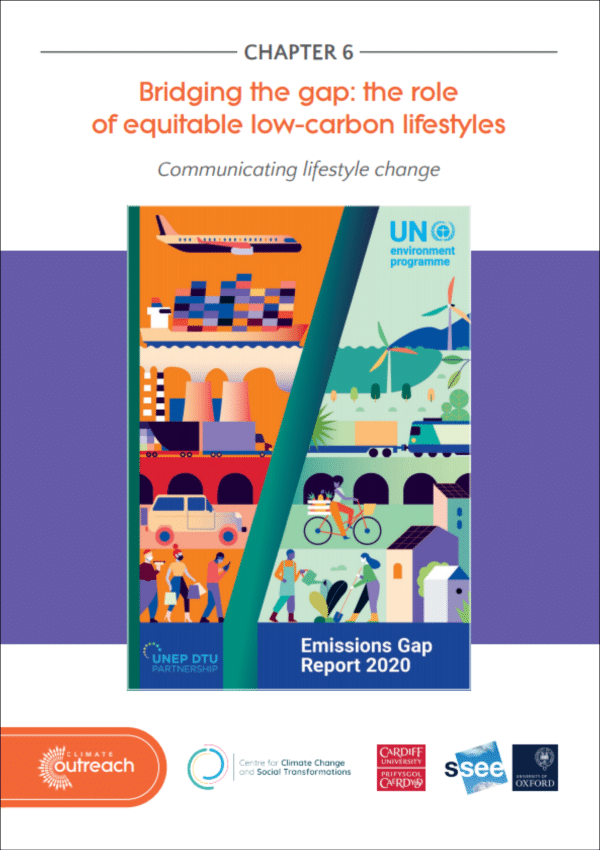
Lifestyle Changes to Help Combat Climate Change
Climate change is one of the most pressing issues of our time, and it requires collective action on a global scale. While policy changes and technological advancements are essential, individual lifestyle changes can also make a significant impact in reducing our carbon footprint and mitigating the effects of climate change. Here are some practical steps that you can take in your daily life to contribute to a more sustainable future:
Reduce, Reuse, Recycle
Minimize waste by following the three Rs – Reduce, Reuse, Recycle. Cut down on single-use plastics, opt for reusable products whenever possible, and recycle materials like paper, glass, and metal. By reducing waste production, you can help conserve resources and reduce greenhouse gas emissions.
Conserve Energy
Lower your energy consumption by turning off lights when not in use, unplugging electronics that are not in use, using energy-efficient appliances, and adjusting your thermostat to save on heating and cooling costs. Consider investing in renewable energy sources like solar panels to further reduce your carbon footprint.
Choose Sustainable Transportation
Reduce emissions from transportation by walking, biking, carpooling, or using public transportation whenever possible. If you need to drive, consider investing in a fuel-efficient vehicle or electric car. By reducing your reliance on fossil fuels for transportation, you can help decrease air pollution and greenhouse gas emissions.
Eat Sustainably
Make conscious choices about the food you consume by opting for locally sourced and organic produce. Reduce your meat consumption and choose plant-based options more frequently to lower the environmental impact of food production. Supporting sustainable agriculture practices can help reduce deforestation and decrease greenhouse gas emissions associated with food production.
Simplify Your Lifestyle
Avoid unnecessary consumption by adopting a minimalist approach to living. Buy only what you need, repair items instead of replacing them, and donate or recycle items that you no longer use. By simplifying your lifestyle and reducing material possessions, you can reduce waste generation and lessen the demand for new resources.
Remember that every small change in your lifestyle can have a positive impact on the environment. By making conscious choices in your daily life to reduce waste, conserve energy, choose sustainable options, and simplify your lifestyle, you can contribute to the fight against climate change and create a more sustainable future for generations to come.
8 Lifestyle Changes to Help Combat Climate Change
- Reduce, reuse, and recycle to minimize waste production.
- Conserve energy by turning off lights and electronics when not in use.
- Use public transportation, carpool, bike, or walk instead of driving alone.
- Choose sustainable products and support eco-friendly businesses.
- Eat less meat and dairy products to reduce carbon footprint.
- Plant trees or support reforestation efforts to offset carbon emissions.
- Avoid single-use plastics and opt for reusable alternatives.
- Reduce water usage by fixing leaks and taking shorter showers.
Reduce, reuse, and recycle to minimize waste production.
Reducing, reusing, and recycling are essential practices to minimize waste production and combat climate change. By cutting down on single-use items, opting for reusable alternatives, and recycling materials like paper, glass, and plastic, individuals can significantly reduce the amount of waste that ends up in landfills. These actions not only help conserve valuable resources but also reduce the energy and emissions associated with producing new products. Embracing the principles of reduce, reuse, and recycle is a simple yet effective way for everyone to contribute to a more sustainable future for our planet.
Conserve energy by turning off lights and electronics when not in use.
Conserving energy by turning off lights and electronics when not in use is a simple yet effective way to reduce your carbon footprint and contribute to combating climate change. By practicing this habit, you not only save on electricity costs but also help lower overall energy consumption, which in turn reduces greenhouse gas emissions. Small actions like switching off lights and unplugging electronics when they are not needed can have a significant impact when adopted collectively. It’s a practical step that everyone can take in their daily lives to promote energy efficiency and environmental sustainability.
Use public transportation, carpool, bike, or walk instead of driving alone.
To reduce carbon emissions and alleviate traffic congestion, consider utilizing alternative modes of transportation such as public transit, carpooling, biking, or walking instead of driving solo. By opting for these sustainable transportation options, you can help lower greenhouse gas emissions, decrease air pollution, and promote a healthier environment for all. Making the choice to share rides or use active modes of transportation not only benefits the planet but also contributes to a more sustainable and efficient way of getting around in your daily life.
Choose sustainable products and support eco-friendly businesses.
Choosing sustainable products and supporting eco-friendly businesses is a powerful way to make a positive impact on the environment. By opting for goods that are produced using environmentally friendly practices and supporting businesses that prioritize sustainability, you are contributing to the reduction of carbon emissions, preservation of natural resources, and promotion of ethical production methods. Your consumer choices have the potential to drive positive change in the marketplace and encourage more businesses to adopt eco-conscious practices, leading to a greener and more sustainable future for our planet.
Eat less meat and dairy products to reduce carbon footprint.
Reducing meat and dairy consumption is a powerful way to lower your carbon footprint and combat climate change. The production of meat and dairy products generates significant greenhouse gas emissions, contributing to environmental degradation. By choosing plant-based alternatives more frequently and incorporating more sustainable food choices into your diet, you can help reduce the environmental impact of food production and support a more sustainable food system for the future.
Plant trees or support reforestation efforts to offset carbon emissions.
Planting trees or supporting reforestation efforts is a powerful way to offset carbon emissions and combat climate change. Trees act as natural carbon sinks, absorbing carbon dioxide from the atmosphere during photosynthesis and storing it in their biomass. By increasing tree cover through planting initiatives or backing reforestation projects, we can help remove excess carbon from the air, restore ecosystems, and promote biodiversity. This simple yet impactful action plays a crucial role in mitigating the effects of climate change and creating a healthier planet for future generations.
Avoid single-use plastics and opt for reusable alternatives.
Opting for reusable alternatives instead of single-use plastics is a simple yet impactful lifestyle change that can significantly reduce waste and help combat climate change. By choosing reusable products such as water bottles, shopping bags, and food containers, individuals can minimize the environmental impact of plastic production and disposal. This small adjustment in daily habits can lead to a substantial decrease in plastic pollution in our oceans and landfills, ultimately contributing to a healthier planet for future generations.
Reduce water usage by fixing leaks and taking shorter showers.
Reducing water usage is a simple yet impactful way to contribute to combating climate change. By fixing leaks and taking shorter showers, we can conserve this precious resource and reduce the energy required for water treatment and heating. Small changes in our daily habits can add up to significant water savings, helping to alleviate the strain on freshwater sources and lessen the environmental impact of excessive water consumption.