
SDG 3: Good Health and Well-Being for All
The United Nations Sustainable Development Goal 3 (SDG 3) aims to “ensure healthy lives and promote well-being for all at all ages.” It recognizes that health is essential to human development and that people need access to quality care, prevention, and support throughout their lives.
SDG 3 addresses a wide range of health challenges, from preventable deaths and infectious diseases to mental health, road safety, and access to affordable medicines. Its targets provide a framework for countries and communities working to improve health outcomes by 2030.
The Main Goals of SDG 3
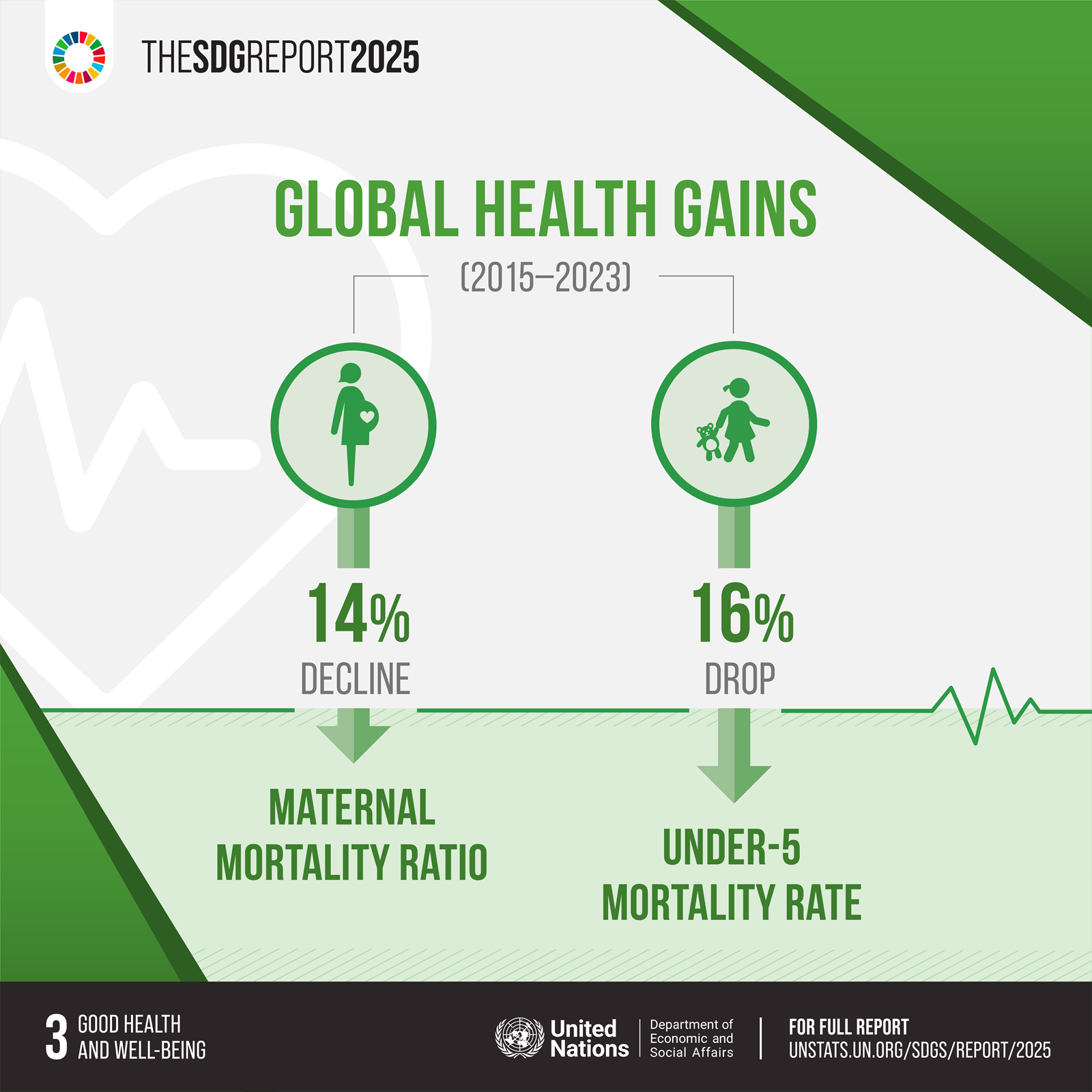
- Reduce maternal deaths. The goal is to bring the global maternal mortality ratio below 70 deaths per 100,000 live births.
- End preventable deaths of newborns and children under five. Countries are encouraged to reduce neonatal mortality to no more than 12 deaths per 1,000 live births and under-five mortality to no more than 25 per 1,000.
- Fight communicable diseases. SDG 3 calls for ending epidemics of AIDS, tuberculosis, malaria, and neglected tropical diseases, as well as combating hepatitis and other communicable diseases.
- Prevent and treat noncommunicable diseases and support mental health. This includes reducing premature deaths from diseases such as cancer, diabetes, and heart disease, while promoting mental well-being and access to care.
- Prevent substance abuse. The target includes strengthening prevention and treatment for substance use, including drug and alcohol misuse.
- Reduce road traffic injuries and deaths. The goal calls for action to improve road safety and reduce the deaths and injuries associated with traffic crashes.
- Ensure access to sexual and reproductive health care. This includes family planning, information, education, and integrating reproductive health services into national strategies.
- Achieve universal health coverage. Everyone should have access to essential, quality health services and safe, effective, affordable medicines and vaccines without facing financial hardship.
- Reduce illness caused by pollution and hazardous chemicals. SDG 3 calls for fewer deaths and illnesses resulting from air, water, and soil pollution and contamination.
- Strengthen tobacco control. Countries are encouraged to implement the World Health Organization Framework Convention on Tobacco Control.
- Support research and access to medicines and vaccines. The goal includes encouraging research and development, particularly for diseases that disproportionately affect developing countries, and improving access to affordable essential medicines and vaccines.
- Increase health financing and workforce capacity. Countries are urged to strengthen health funding and recruit, train, and retain health workers, especially in underserved areas.
- Improve preparedness for health risks. Stronger early-warning systems and better capacity to manage national and global health risks can help communities respond to outbreaks and other emergencies.
Why SDG 3 Matters
Health affects every part of life. Preventable illness can disrupt education, limit people’s ability to work, and deepen poverty. When health services are difficult to reach or too expensive, families may have to choose between medical care and other basic needs. Strong health systems help people get care earlier, manage long-term conditions, and respond more effectively to emergencies.
Progress also depends on addressing the conditions that shape health. Clean air and water, safe housing, nutritious food, education, and fair access to services all contribute to well-being. For that reason, advancing SDG 3 requires cooperation among governments, health professionals, researchers, businesses, and communities.
How Communities Can Contribute
Communities can support SDG 3 by sharing reliable health information, promoting vaccination and preventive care, improving road and workplace safety, and reducing stigma around mental health and substance use. Local organizations can also help people connect with health services and advocate for care that is accessible, respectful, and affordable.
Looking Ahead
SDG 3 sets an ambitious global direction: better health and well-being for everyone, not only those who can afford care or live near a hospital. Meeting its targets requires sustained investment, reliable data, and attention to groups who face the greatest barriers. Every step toward stronger health systems and healthier communities brings the world closer to that shared goal.
6 Essential Tips to Achieve Good Health and Well-being
- Get vaccinated to prevent disease.
- Choose nutritious foods and stay active.
- Prioritize sleep and mental well-being.
- Avoid tobacco and limit alcohol.
- Use clean water and practice good hygiene.
- Support access to affordable health care for everyone.
Get vaccinated to prevent disease.
Getting vaccinated is a simple, effective way to help prevent serious diseases and support SDG 3’s goal of promoting health and well-being for all. Vaccines protect individuals and can also reduce the spread of infections in communities, helping safeguard people who are especially vulnerable. Follow guidance from qualified health professionals and local public health authorities to learn which vaccinations are recommended for you and your family.
Choose nutritious foods and stay active.
Choosing nutritious foods and staying active are simple, everyday ways to support SDG 3: Good Health and Well-Being. A balanced diet with plenty of fruits, vegetables, whole grains, and other nourishing foods can help the body get the nutrients it needs, while regular movement supports physical and mental health. Small steps—such as taking a walk, choosing water, or adding a healthy food to a meal—can build habits that promote well-being over time.
Prioritize sleep and mental well-being.
Prioritizing sleep and mental well-being supports SDG 3’s goal of promoting health and well-being for everyone. Getting consistent, restful sleep can improve mood, focus, and overall health, while caring for mental health may include taking breaks, staying connected with supportive people, practicing stress-management techniques, and seeking professional help when needed. Making these habits accessible and treating mental health with the same care as physical health can help people thrive at every age.
Avoid tobacco and limit alcohol.
Avoiding tobacco and limiting alcohol are practical ways to support SDG 3 and protect your health. Tobacco use increases the risk of serious conditions, including heart disease, stroke, lung disease, and cancer, while excessive alcohol consumption can harm the liver, affect mental well-being, and increase the risk of injury and illness. Choosing not to smoke, seeking support to quit, and keeping alcohol use low—or avoiding it altogether—can help improve long-term health and well-being.
Use clean water and practice good hygiene.
Using clean water and practicing good hygiene are simple but powerful ways to support SDG 3: Good Health and Well-Being. Safe water helps prevent illnesses caused by contaminated supplies, while regular handwashing with soap can reduce the spread of infections. Protecting water sources, keeping sanitation facilities clean, and making safe water accessible to everyone also help communities stay healthier and prevent disease.
Support access to affordable health care for everyone.
Supporting access to affordable health care for everyone is essential to SDG 3, which aims to ensure healthy lives and promote well-being for all. When people can get preventive care, treatment, medicines, and mental health support without facing financial hardship, they are more likely to stay healthy and seek help early. Communities can advance this goal by supporting inclusive health policies, expanding local services, and sharing information about available care.