
The Urgency of Climate Action
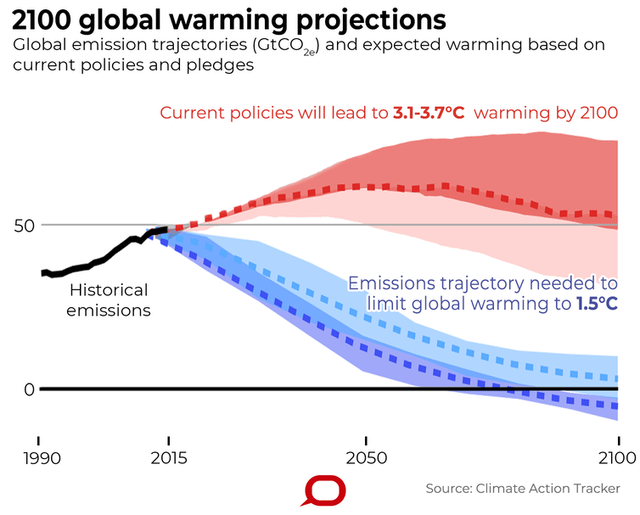
Climate change is one of the most pressing issues of our time, with far-reaching consequences for both the environment and society. The scientific consensus is clear: human activities, particularly the burning of fossil fuels and deforestation, are significantly contributing to the warming of our planet.
Rising global temperatures lead to more frequent and severe natural disasters, such as hurricanes, wildfires, and droughts. These events not only endanger lives but also disrupt economies and communities. Furthermore, climate change exacerbates existing inequalities, disproportionately affecting vulnerable populations who have contributed the least to the problem.
It is imperative that we take immediate and decisive action to mitigate the impacts of climate change. Transitioning to renewable energy sources, promoting sustainable practices in industries, and protecting forests and ecosystems are crucial steps toward a more sustainable future. Governments, businesses, communities, and individuals all have a role to play in addressing this global challenge.
Climate action is not just about reducing carbon emissions; it is also about building resilience and adapting to a changing climate. Investing in green infrastructure, implementing climate-smart agriculture techniques, and enhancing disaster preparedness are essential components of a comprehensive climate strategy.
While the scale of the challenge may seem daunting, there is hope in collective action. The Paris Agreement, signed by countries around the world, represents a commitment to limit global warming and protect our planet for future generations. Grassroots movements, youth activism, and innovative technologies are driving positive change and inspiring others to join the fight against climate change.
Every individual can make a difference by reducing their carbon footprint, advocating for sustainable policies, and supporting organizations dedicated to environmental conservation. Together, we can create a more resilient and sustainable world for ourselves and for generations to come.
9 Essential Tips for Taking Action on Climate Change
- Reduce, reuse, and recycle to minimize waste.
- Conserve energy by turning off lights and electronics when not in use.
- Use public transportation, carpool, bike, or walk instead of driving alone.
- Support renewable energy sources like solar and wind power.
- Plant trees and support reforestation efforts to absorb carbon dioxide.
- Choose sustainable products and reduce single-use plastics.
- Educate others about the importance of climate action.
- Advocate for policies that promote environmental protection and sustainability.
- Reduce water usage by fixing leaks and using water-efficient appliances.
Reduce, reuse, and recycle to minimize waste.
Reducing, reusing, and recycling are essential practices in climate action to minimize waste and lessen our environmental impact. By reducing consumption, reusing items whenever possible, and recycling materials to create new products, we can conserve resources, reduce energy consumption, and decrease greenhouse gas emissions. Embracing the principles of the 3Rs not only helps in waste reduction but also promotes a more sustainable lifestyle that contributes to a healthier planet for current and future generations.
Conserve energy by turning off lights and electronics when not in use.
Conserving energy by turning off lights and electronics when not in use is a simple yet impactful way to contribute to climate action. By reducing unnecessary electricity consumption, we can lower our carbon footprint and decrease the demand for fossil fuel-based energy production. This small habit not only helps to combat climate change but also saves energy costs and promotes a more sustainable lifestyle. Making a conscious effort to switch off lights and unplug electronics when they are not needed is a proactive step towards a greener future for our planet.
Use public transportation, carpool, bike, or walk instead of driving alone.
Using public transportation, carpooling, biking, or walking instead of driving alone is a simple yet effective way to reduce your carbon footprint and contribute to climate action. By opting for these alternative modes of transportation, you can help lower greenhouse gas emissions, alleviate traffic congestion, and promote sustainable mobility. Not only does this choice benefit the environment, but it also offers health benefits through increased physical activity and reduced air pollution exposure. Making conscious decisions about how you travel can make a significant impact in mitigating climate change and building a more sustainable future for all.
Support renewable energy sources like solar and wind power.
Supporting renewable energy sources like solar and wind power is a crucial step in taking action against climate change. By transitioning away from fossil fuels and embracing clean energy alternatives, we can significantly reduce greenhouse gas emissions and mitigate the impacts of global warming. Investing in solar and wind power not only helps to combat climate change but also promotes sustainable development, creates green jobs, and fosters energy independence. Embracing renewable energy is a powerful way for individuals, communities, and governments to contribute to a more sustainable future for our planet.
Plant trees and support reforestation efforts to absorb carbon dioxide.
Planting trees and supporting reforestation efforts are powerful actions individuals can take to combat climate change. Trees act as natural carbon sinks, absorbing carbon dioxide from the atmosphere and helping to mitigate the effects of greenhouse gas emissions. By increasing forest cover and restoring degraded ecosystems, we not only sequester carbon but also promote biodiversity, enhance soil health, and protect watersheds. Investing in tree planting initiatives is a tangible way to contribute to climate action and create a more sustainable future for our planet.
Choose sustainable products and reduce single-use plastics.
Choosing sustainable products and reducing single-use plastics are essential steps in taking meaningful climate action. By opting for products that are environmentally friendly and produced with minimal impact on the planet, we can reduce our carbon footprint and contribute to a healthier environment. Single-use plastics, which often end up in landfills or polluting our oceans, pose a significant threat to ecosystems and wildlife. By making conscious choices about the products we use and avoiding single-use plastics whenever possible, we can help preserve natural resources and mitigate the effects of climate change for future generations.
Educate others about the importance of climate action.
Educating others about the importance of climate action is a crucial step in addressing the urgent challenges posed by climate change. By raising awareness and sharing knowledge about the impacts of global warming, sustainable practices, and the significance of preserving our environment, we can inspire individuals, communities, and policymakers to take meaningful steps towards a more sustainable future. Through education, we empower others to make informed choices, advocate for change, and contribute to collective efforts in mitigating climate change for the well-being of our planet and all its inhabitants.
Advocate for policies that promote environmental protection and sustainability.
Advocating for policies that promote environmental protection and sustainability is crucial in the fight against climate change. By supporting legislation and initiatives that prioritize conservation, renewable energy, and sustainable practices, we can create a more resilient and environmentally conscious society. Encouraging policymakers to enact laws that reduce carbon emissions, protect natural habitats, and incentivize green technologies is essential for shaping a greener future for our planet. Through active advocacy and engagement with decision-makers, we can drive meaningful change towards a more sustainable and climate-resilient world.
Reduce water usage by fixing leaks and using water-efficient appliances.
Reducing water usage is a crucial aspect of climate action. By fixing leaks and using water-efficient appliances, we can significantly decrease our overall water consumption and lessen the strain on freshwater resources. Small changes in our daily habits, such as repairing dripping faucets and opting for low-flow devices, can have a big impact on conserving water and reducing energy consumption associated with water heating. Embracing these practices not only helps mitigate the effects of climate change but also promotes sustainable living for a healthier planet.