
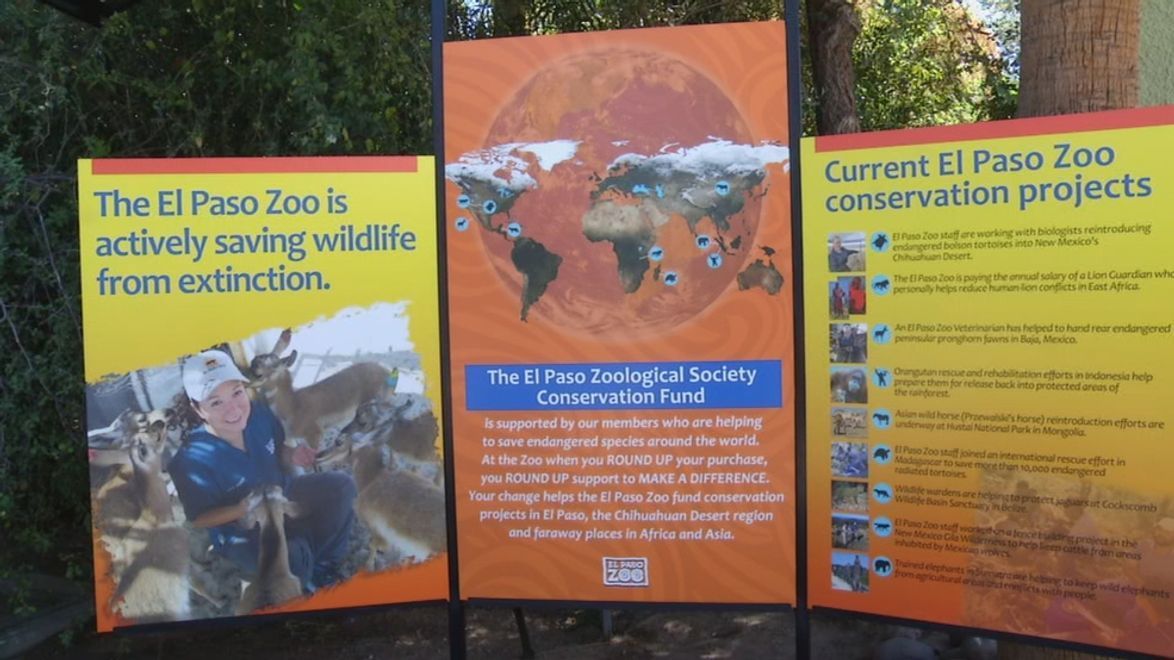
Projects to Save Wildlife
Wildlife conservation projects help protect animals, plants, and the habitats they depend on. Around the world, species face growing pressure from habitat loss, pollution, climate change, invasive species, and illegal hunting and trade. Effective projects address these threats while working with local communities to support healthy ecosystems for the long term.
Protecting and Restoring Habitats
Many conservation efforts begin with protecting the places where wildlife lives. Forests, wetlands, grasslands, rivers, and coastal areas provide food, shelter, and breeding grounds for countless species. Projects may establish protected areas, restore damaged landscapes, plant native vegetation, or remove barriers that prevent animals from reaching essential habitat.
Restoration can also reconnect fragmented habitats. Wildlife corridors—strips of suitable land linking otherwise separated areas—allow animals to travel in search of food, mates, and shelter. These connections can help isolated populations remain healthy and resilient.
Monitoring Wildlife Populations
Conservation teams need reliable information to understand how species are doing and where help is most needed. Researchers and community members may track animal populations using camera traps, GPS tags, acoustic sensors, field surveys, and observations of tracks or nesting sites. The findings can guide conservation plans and show whether a project is making a difference.
Monitoring is most useful when it continues over time. Changes in population size, movement, or breeding success can reveal new threats and help teams adjust their approach.
Reducing Human-Wildlife Conflict
As human communities and wildlife share more space, conflicts can occur. Animals may damage crops, threaten livestock, or enter residential areas, while people may respond in ways that put wildlife at risk. Projects can reduce these problems with practical measures such as wildlife-proof fencing, secure food storage, livestock protection, early-warning systems, and guidance on safely responding to animal encounters.
Successful programs involve local residents in designing solutions. When communities have a meaningful role and see benefits from conservation, support for protecting wildlife can grow.
Combating Illegal Wildlife Trade
Illegal hunting and trade threaten many species. Conservation projects can help by supporting wildlife rangers, improving enforcement, monitoring trafficking routes, and raising public awareness about the effects of buying products made from protected animals. Efforts to reduce demand are important alongside protection on the ground.
Strong partnerships among local communities, conservation organizations, governments, and law enforcement can make these efforts more effective.
Rescue, Rehabilitation, and Reintroduction
Wildlife rescue centers care for injured, orphaned, or confiscated animals. When possible, trained specialists rehabilitate animals and prepare them for release into suitable habitat. Reintroduction projects may also help rebuild populations where a species has disappeared or become critically reduced.
These programs require careful planning. Experts assess the cause of a species’ decline, the condition of its habitat, and the risks animals may face after release. Rescue and release can be valuable tools, but lasting success depends on addressing the underlying threats.
How People Can Help
Individuals can contribute to wildlife conservation in many ways. Supporting reputable conservation organizations, volunteering for local habitat projects, planting native species, keeping pets from disturbing wildlife, and reducing waste can all make a difference. People can also learn about the wildlife in their region and share reliable information with others.
Projects to save wildlife work best when they combine sound science, long-term commitment, and respect for local communities. Protecting species is not only about saving individual animals; it is also about maintaining the ecosystems that provide clean water, healthy soils, and a richer natural world for future generations.
6 Benefits of Wildlife Conservation Projects
- Protects endangered species.
- Restores vital habitats.
- Supports healthier ecosystems.
- Reduces human-wildlife conflict.
- Creates jobs and volunteer opportunities.
- Inspires future generations to care for nature.
7 Drawbacks of Wildlife Conservation Projects
- Projects can be expensive to maintain.
- Results may take years to appear.
- Some efforts displace local communities.
- Poor planning can disrupt ecosystems.
- Funding may be unreliable.
- Monitoring wildlife can be difficult.
- Conservation rules may restrict land use.
Protects endangered species.
Wildlife conservation projects help protect endangered species by addressing the threats that put them at risk, such as habitat loss, poaching, pollution, and climate change. Efforts like restoring natural habitats, monitoring populations, supporting wildlife rangers, and creating safe breeding areas can give vulnerable animals and plants a better chance to survive and recover. By protecting endangered species, these projects also help preserve the ecosystems that people and wildlife depend on.
Restores vital habitats.
Wildlife conservation projects help restore vital habitats by repairing ecosystems damaged by development, pollution, or other human activities. Teams may replant native vegetation, restore wetlands and rivers, remove invasive species, and reconnect fragmented landscapes. These improvements provide wildlife with essential food, shelter, and breeding areas while also supporting healthier ecosystems for nearby communities.
Supports healthier ecosystems.
Wildlife conservation projects support healthier ecosystems by protecting habitats and helping native species thrive. Each species plays a role in the natural balance, from pollinating plants and spreading seeds to controlling pests and cycling nutrients. When wildlife populations are protected and habitats are restored, ecosystems can become more resilient, supporting clean water, healthy soils, and greater biodiversity.
Reduces human-wildlife conflict.
Projects to save wildlife can reduce human-wildlife conflict by helping people and animals share landscapes more safely. Measures such as wildlife-proof fencing, secure food storage, livestock protection, and early-warning systems can prevent animals from damaging crops or entering communities. When local residents help shape these solutions, conservation efforts can protect wildlife while also supporting people’s safety and livelihoods.
Creates jobs and volunteer opportunities.
Wildlife conservation projects create meaningful jobs and volunteer opportunities in local communities. Programs may hire field researchers, habitat restoration crews, wildlife rehabilitators, educators, and park staff, while volunteers can help plant native species, monitor wildlife, clean up habitats, or support community events. These roles build practical skills, strengthen connections to nature, and allow people to contribute directly to protecting wildlife.
Inspires future generations to care for nature.
Wildlife conservation projects can inspire future generations to care for nature by giving young people meaningful ways to learn about animals and their habitats. Through outdoor activities, classroom programs, and hands-on conservation work, children and teens can see how ecosystems function and how their choices affect the environment. These experiences can spark curiosity, build a sense of responsibility, and encourage lifelong habits that support wildlife and healthy natural spaces.
Projects can be expensive to maintain.
Projects to save wildlife can be expensive to maintain, especially when they require ongoing habitat restoration, staff, equipment, research, and veterinary care. Conservation groups may also need to fund regular monitoring, community programs, and protection against poaching or other threats. Because this work often takes many years, limited or unreliable funding can make it difficult to sustain progress and ensure that wildlife continues to benefit over the long term.
Results may take years to appear.
One challenge of wildlife conservation projects is that meaningful results can take years to appear. Restoring habitats, rebuilding animal populations, and reducing threats such as poaching or pollution are gradual processes, and progress may be difficult to measure in the short term. This can test the patience of communities, donors, and project teams, especially when funding or public attention fades before improvements become visible. Long-term monitoring and steady support are essential to give conservation efforts time to succeed.
Some efforts displace local communities.
Wildlife conservation projects can sometimes displace local communities when protected areas are created without residents’ meaningful consent or involvement. People may lose access to homes, farmland, grazing areas, or natural resources they have relied on for generations, disrupting livelihoods and cultural traditions. Conservation efforts are more equitable and lasting when local communities help shape decisions, receive fair compensation when needed, and share in the benefits of protecting wildlife and habitat.
Poor planning can disrupt ecosystems.
Poorly planned wildlife conservation projects can unintentionally disrupt the ecosystems they aim to protect. For example, introducing a species to a new area, changing water flow, or removing vegetation without understanding local ecological relationships can harm native species and alter food webs. Careful research, consultation with local communities and ecologists, and ongoing monitoring help reduce these risks and ensure that conservation efforts support the broader ecosystem—not just one species.
Funding may be unreliable.
Funding for wildlife conservation projects can be unreliable, making it difficult to plan and sustain long-term work. Donations, grants, and government support may change from year to year, while habitat restoration, animal monitoring, and community programs often require consistent investment over many years. When funding falls short, projects may have to reduce staff, delay essential work, or stop before their goals are achieved.
Monitoring wildlife can be difficult.
Monitoring wildlife can be difficult because animals are often elusive, move across large or remote areas, and are active at night or in hard-to-reach habitats. Collecting reliable data may require specialized equipment, trained staff, and repeated surveys over long periods, all of which can be costly and time-consuming. Weather, terrain, and changes in animal behavior can also affect observations, making it challenging to determine whether a population is truly growing or declining.
Conservation rules may restrict land use.
Conservation rules can limit how land is used, which may create challenges for people who depend on it for farming, grazing, logging, or development. Restrictions can affect local incomes and customary practices, especially when communities have little say in how the rules are designed. Conservation projects are more likely to succeed when they involve residents in decision-making and provide fair support, alternatives, or compensation where appropriate.