
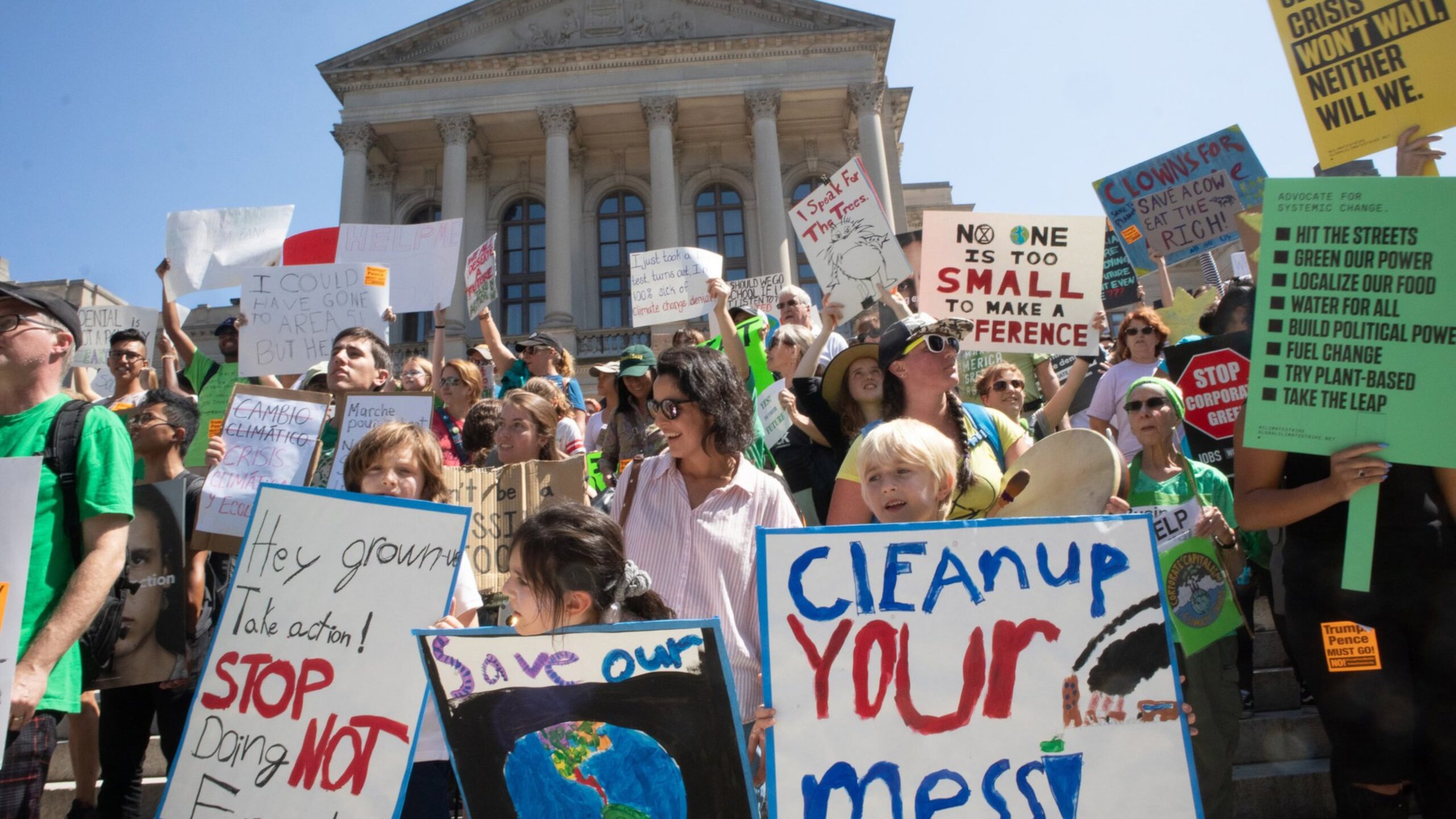
The Urgency of Political Action on Climate Change
Climate change is one of the most pressing issues of our time, with far-reaching consequences for the planet and future generations. As global temperatures rise, extreme weather events become more frequent, and ecosystems face unprecedented challenges, the need for decisive political action on climate change has never been more urgent.
Political leaders play a crucial role in shaping policies and implementing measures to mitigate the impacts of climate change. From international agreements to national legislation, governments have the power to drive significant changes in how we produce energy, manage resources, and protect the environment.
The Paris Agreement and Global Cooperation
The landmark Paris Agreement, adopted in 2015 by nearly 200 countries, represents a milestone in global efforts to combat climate change. By committing to limit global warming to well below 2 degrees Celsius above pre-industrial levels, countries pledged to reduce greenhouse gas emissions and enhance resilience to climate impacts.
However, achieving the goals of the Paris Agreement requires strong political will and coordinated action at all levels of government. Countries must ramp up their emission reduction targets, invest in renewable energy sources, and support vulnerable communities in adapting to a changing climate.
National Policies and Transitioning to a Green Economy
At the national level, governments are implementing policies to transition towards a low-carbon economy. This includes phasing out fossil fuel subsidies, promoting clean technologies, and setting ambitious emission reduction targets. By aligning economic development with environmental sustainability, countries can create green jobs and foster innovation in renewable energy sectors.
Policymakers also have a responsibility to address social equity issues related to climate change. Vulnerable communities often bear the brunt of environmental degradation and extreme weather events. Political action should prioritize climate justice by ensuring that marginalized groups have access to resources and support for adaptation and resilience.
Citizen Engagement and Holding Leaders Accountable
Citizen engagement is essential for driving political action on climate change. By raising awareness, advocating for policy changes, and participating in grassroots movements, individuals can influence decision-makers at all levels of government. Holding political leaders accountable for their commitments on climate action is crucial for ensuring transparency and progress towards a sustainable future.
Conclusion
In conclusion, political action on climate change is imperative to safeguard our planet for current and future generations. By working together at local, national, and international levels, governments can enact meaningful policies that reduce emissions, protect ecosystems, and build resilience against climate impacts. It is time for political leaders to prioritize sustainability in decision-making processes and take bold steps towards a greener future.
9 Effective Tips for Taking Political Action on Climate Change
- 1. Stay informed about climate change issues and policies.
- 2. Support political candidates who prioritize climate action.
- 3. Advocate for renewable energy and sustainable practices.
- 4. Join local environmental groups and participate in community actions.
- 5. Encourage lawmakers to pass legislation that addresses climate change.
- 6. Reduce your carbon footprint through lifestyle changes.
- 7. Educate others about the importance of climate action.
- 8. Use your voice on social media to raise awareness about climate change issues.
- 9. Vote in elections with a focus on candidates’ environmental platforms.
1. Stay informed about climate change issues and policies.
To effectively engage in political action on climate change, it is crucial to stay informed about climate change issues and policies. By staying up-to-date on the latest scientific findings, environmental challenges, and government initiatives related to climate change, individuals can better understand the urgency of the issue and advocate for evidence-based solutions. Being informed allows citizens to participate in informed discussions, hold policymakers accountable, and contribute to shaping effective policies that address the pressing threats of climate change.
2. Support political candidates who prioritize climate action.
Supporting political candidates who prioritize climate action is a crucial step in driving meaningful change towards a more sustainable future. By electing leaders who are committed to implementing policies that address climate change, we can ensure that environmental issues remain at the forefront of the political agenda. These candidates have the potential to enact legislation, allocate resources, and advocate for initiatives that promote renewable energy, reduce greenhouse gas emissions, and protect natural ecosystems. By actively supporting and voting for candidates who prioritize climate action, we can shape a political landscape that prioritizes environmental stewardship and fosters a greener, healthier planet for generations to come.
3. Advocate for renewable energy and sustainable practices.
Advocating for renewable energy and sustainable practices is a crucial step in driving political action on climate change. By promoting the adoption of clean energy sources such as solar, wind, and hydroelectric power, individuals can push for policies that reduce greenhouse gas emissions and combat global warming. Supporting sustainable practices in industries, agriculture, and everyday life can also contribute to a more environmentally friendly future. Through advocacy efforts focused on renewable energy and sustainability, we can encourage policymakers to prioritize these critical solutions in the fight against climate change.
4. Join local environmental groups and participate in community actions.
Joining local environmental groups and participating in community actions is a powerful way to take meaningful political action on climate change. By engaging with like-minded individuals at the grassroots level, you can amplify your impact and contribute to collective efforts towards sustainability. These groups often organize events, campaigns, and initiatives that raise awareness, advocate for policy changes, and promote sustainable practices within the community. Through active participation, you not only strengthen the voice of environmental advocacy but also foster a sense of camaraderie and shared responsibility for protecting our planet.
5. Encourage lawmakers to pass legislation that addresses climate change.
Encouraging lawmakers to pass legislation that addresses climate change is a crucial step in driving meaningful action towards a more sustainable future. By advocating for policies that prioritize emission reductions, promote renewable energy sources, and support climate resilience measures, individuals can play a vital role in shaping the political landscape. Engaging with legislators to highlight the urgency of addressing climate change and emphasizing the benefits of sustainable practices can help create a conducive environment for enacting impactful laws that mitigate the impacts of global warming and protect our planet for generations to come.
6. Reduce your carbon footprint through lifestyle changes.
One effective tip for taking political action on climate change is to reduce your carbon footprint through lifestyle changes. By making simple adjustments such as using public transportation, reducing energy consumption at home, and choosing sustainable products, individuals can significantly lower their carbon emissions and contribute to a greener future. These personal choices not only help mitigate climate change but also send a powerful message to policymakers about the importance of environmental conservation and sustainable living practices.
7. Educate others about the importance of climate action.
Educating others about the importance of climate action is a crucial step in driving political change and fostering a collective commitment to addressing the challenges of climate change. By sharing knowledge, raising awareness, and engaging in conversations about the impacts of global warming, individuals can inspire others to take action and advocate for sustainable policies. Through education, we empower communities to make informed decisions, support environmental initiatives, and hold leaders accountable for prioritizing climate action on local, national, and global scales.
8. Use your voice on social media to raise awareness about climate change issues.
Using your voice on social media is a powerful way to raise awareness about climate change issues. By sharing informative posts, engaging with relevant content, and participating in conversations about environmental sustainability, you can reach a wide audience and inspire others to take action. Social media platforms provide a valuable space for spreading information, promoting advocacy campaigns, and amplifying the voices of those advocating for climate action. Your online presence can make a difference in shaping public opinion, mobilizing support for environmental causes, and encouraging political leaders to prioritize climate change mitigation and adaptation strategies.
9. Vote in elections with a focus on candidates’ environmental platforms.
Voting in elections with a focus on candidates’ environmental platforms is a crucial step in promoting political action on climate change. By carefully considering candidates’ stances on environmental issues and sustainability initiatives, voters can elect leaders who prioritize climate action and advocate for policies that address the challenges of a changing climate. Supporting candidates with strong environmental platforms sends a clear message that addressing climate change is a top priority for constituents, encouraging elected officials to implement measures that protect the planet and create a more sustainable future for all.