
Personal Actions to Reduce Climate Change
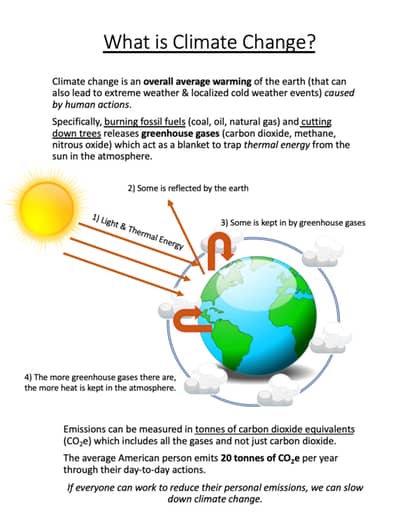
Climate change is one of the most pressing challenges of our time, and individual actions can play a significant role in combating this global issue. While large-scale policy changes are essential, personal choices and behaviors can also make a difference. Here are some effective ways individuals can reduce their carbon footprint and help mitigate climate change:
Reduce, Reuse, Recycle
Minimize waste by recycling materials like paper, plastic, glass, and metal. Opt for reusable products instead of single-use items whenever possible. By reducing your consumption and reusing items, you can decrease the amount of waste that ends up in landfills.
Conserve Energy
Turn off lights and electronics when not in use, unplug chargers, use energy-efficient appliances, and consider installing solar panels or using renewable energy sources. Small changes in energy consumption at home can lead to significant reductions in greenhouse gas emissions.
Choose Sustainable Transportation
Walk, bike, carpool, or use public transportation instead of driving alone in a car. Consider electric vehicles or hybrid cars that have lower emissions compared to traditional gasoline-powered vehicles. Reducing reliance on fossil fuels for transportation is crucial for reducing carbon emissions.
Eat a Plant-Based Diet
Reduce your meat consumption and opt for plant-based foods more often. Animal agriculture is a major contributor to greenhouse gas emissions due to methane production and deforestation for livestock farming. Eating a plant-based diet can significantly lower your carbon footprint.
Support Sustainable Practices
Choose products from companies that prioritize sustainability and eco-friendly practices. Support businesses that implement environmentally responsible measures in their operations and supply chains. By voting with your dollars, you can encourage more businesses to adopt sustainable practices.
Educate Yourself and Others
Stay informed about climate change issues and share knowledge with friends, family, and community members. Advocate for climate action by participating in local initiatives, contacting elected officials, and raising awareness about the importance of environmental conservation.
In conclusion, individual actions may seem small in the face of such a monumental challenge as climate change but collectively they can have a significant impact. By making conscious choices in our daily lives and encouraging others to do the same, we can contribute to a more sustainable future for generations to come.
8 Personal Actions to Help Combat Climate Change
- Reduce, reuse, and recycle to minimize waste.
- Conserve water by fixing leaks and using water-efficient appliances.
- Use energy-efficient light bulbs and appliances to save electricity.
- Choose sustainable transportation options like walking, biking, or public transit.
- Plant trees and support reforestation efforts to absorb carbon dioxide.
- Reduce meat consumption and opt for plant-based meals to lower greenhouse gas emissions from livestock farming.
- Support renewable energy sources like solar or wind power for electricity generation.
- Educate others about climate change and encourage sustainable practices in your community.
Reduce, reuse, and recycle to minimize waste.
Reducing, reusing, and recycling are simple yet powerful actions that individuals can take to minimize waste and combat climate change. By consciously reducing consumption, finding creative ways to reuse items, and properly recycling materials, we can significantly decrease the amount of waste that ends up in landfills. This approach not only conserves valuable resources but also helps reduce greenhouse gas emissions associated with the production and disposal of goods. Embracing the principles of reduce, reuse, and recycle is a proactive step towards building a more sustainable future for our planet.
Conserve water by fixing leaks and using water-efficient appliances.
Conserving water is a crucial step in reducing our impact on climate change. By fixing leaks and using water-efficient appliances, we can significantly decrease water waste and the energy required to treat and distribute water. Small actions like repairing leaky faucets and installing low-flow fixtures not only help conserve this precious resource but also reduce the carbon footprint associated with water consumption. Making these adjustments in our daily routines can lead to substantial savings in both water usage and energy consumption, contributing to a more sustainable future for our planet.
Use energy-efficient light bulbs and appliances to save electricity.
Using energy-efficient light bulbs and appliances is a simple yet effective way to reduce electricity consumption and combat climate change. By opting for these energy-saving options, individuals can lower their carbon footprint and contribute to a more sustainable future. Energy-efficient technologies not only help save on utility bills but also play a crucial role in reducing greenhouse gas emissions, thus mitigating the impact of climate change on our planet. Making the switch to energy-efficient lighting and appliances is a practical step that everyone can take to make a positive environmental impact.
Choose sustainable transportation options like walking, biking, or public transit.
Choosing sustainable transportation options such as walking, biking, or using public transit can have a positive impact on reducing carbon emissions and combating climate change. By opting for these modes of transportation instead of driving alone in a car, individuals can help decrease air pollution and traffic congestion while promoting healthier and more eco-friendly ways of getting around. Making the switch to sustainable transportation not only benefits the environment but also contributes to creating more livable and sustainable communities for everyone.
Plant trees and support reforestation efforts to absorb carbon dioxide.
Planting trees and supporting reforestation efforts are effective ways to combat climate change by absorbing carbon dioxide from the atmosphere. Trees act as natural carbon sinks, capturing and storing CO2 during photosynthesis. By increasing forest cover and restoring degraded ecosystems, we can help offset greenhouse gas emissions and promote biodiversity. Supporting reforestation not only benefits the environment but also contributes to creating a healthier planet for future generations.
Reduce meat consumption and opt for plant-based meals to lower greenhouse gas emissions from livestock farming.
By reducing meat consumption and choosing plant-based meals, individuals can significantly decrease greenhouse gas emissions associated with livestock farming. Animal agriculture is a major contributor to environmental degradation due to methane production and deforestation for grazing land. Opting for plant-based alternatives not only benefits personal health but also plays a crucial role in mitigating climate change by reducing the carbon footprint associated with food production.
Support renewable energy sources like solar or wind power for electricity generation.
Supporting renewable energy sources like solar or wind power for electricity generation is a crucial step in reducing our carbon footprint and combating climate change. By transitioning to clean energy sources, we can significantly decrease greenhouse gas emissions and lessen our reliance on fossil fuels. Embracing renewable energy not only helps protect the environment but also promotes sustainable development and a greener future for all. Making the switch to solar or wind power is a proactive way for individuals to contribute to the global effort in addressing climate change and creating a more sustainable world.
Educate others about climate change and encourage sustainable practices in your community.
Educating others about climate change and promoting sustainable practices within your community is a powerful way to drive positive change. By raising awareness and inspiring collective action, individuals can amplify the impact of their efforts in combating climate change. Encouraging others to adopt eco-friendly habits, support local initiatives, and advocate for environmentally responsible policies can create a ripple effect that leads to a more sustainable and resilient community for the future.