
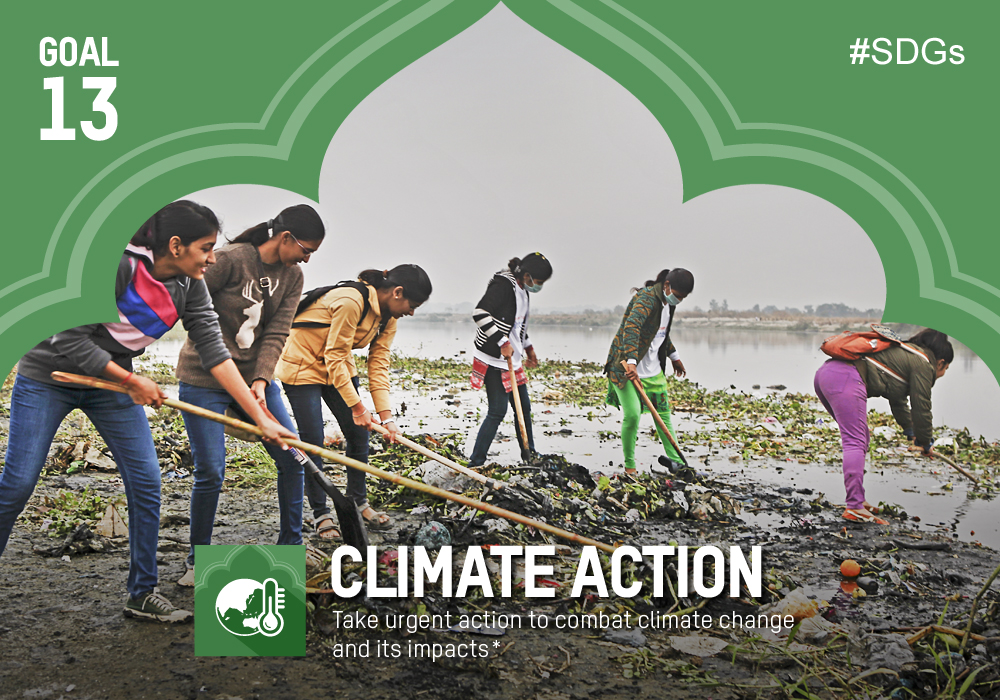
What Does Climate Action Mean?
Climate action means taking steps to address climate change and its effects. These efforts include reducing the greenhouse gas emissions that cause global warming and helping people and ecosystems adapt to changes that are already happening. Climate action can take place at every level, from individual choices to community projects, business policies, and government action.
Why Climate Action Matters
Climate change is linked to rising temperatures, shifting rainfall patterns, melting ice, rising sea levels, and more frequent or severe extreme weather in many parts of the world. These changes can affect public health, food and water supplies, homes, economies, and natural habitats. Taking action can help limit future warming while reducing risks and supporting communities facing climate-related impacts.
Two Main Types of Climate Action
Climate Change Mitigation
Mitigation means limiting the causes of climate change, especially by reducing greenhouse gas emissions or increasing the amount of carbon dioxide absorbed by natural systems. Examples include generating electricity from renewable sources, improving energy efficiency, using public transportation, reducing food waste, and protecting forests and wetlands.
Climate Change Adaptation
Adaptation means preparing for climate impacts and reducing the harm they may cause. This can include improving flood protections, creating heat-response plans, conserving water, choosing crops suited to changing conditions, and designing buildings and infrastructure to withstand extreme weather.
Examples of Climate Action
- Individuals: Save energy at home, walk or bike when practical, use public transportation, reduce waste, and support climate-conscious policies.
- Communities: Plant and protect trees, improve local transit, prepare for heat waves and floods, and expand access to clean energy.
- Businesses: Measure and reduce emissions, use energy more efficiently, and make supply chains and facilities more resilient.
- Governments: Set emissions standards, invest in clean energy and public infrastructure, protect natural areas, and prepare communities for climate risks.
Climate Action and Sustainable Development
Climate action is closely connected to other goals, including public health, reliable energy, economic opportunity, and environmental protection. For example, cleaner transportation can reduce air pollution, while well-planned energy-efficiency improvements can lower emissions and household costs. Effective climate action should also consider fairness, ensuring that the benefits and responsibilities of the transition are shared equitably.
How to Get Started
Climate action does not depend on one person or one solution. A useful first step is to learn about the main sources of emissions and climate risks in your area. From there, people can make practical changes, join local initiatives, encourage organizations to set measurable goals, and participate in public decisions. Individual choices matter, and collective action can help bring larger changes within reach.
In Summary
The meaning of climate action is straightforward: take practical steps to reduce the causes of climate change and prepare for its impacts. Strong climate action combines mitigation and adaptation, involves people and institutions, and supports a safer and more sustainable future.
7 Key Benefits of Climate Action: A Path to a Healthier, Sustainable Future
- Reduces greenhouse gas emissions.
- Helps slow global warming.
- Supports cleaner air and healthier communities.
- Encourages renewable energy and efficiency.
- Prepares communities for climate impacts.
- Protects wildlife and natural habitats.
- Creates opportunities for sustainable jobs.
Challenges of Climate Action: Navigating Costs, Investments, and Economic Impacts
- Can require significant upfront investment.
- May increase costs during the transition.
- Some policies can affect industries and jobs.
- Results may take years to become clear.
Reduces greenhouse gas emissions.
One important benefit of climate action is that it reduces greenhouse gas emissions, which trap heat in the atmosphere and contribute to climate change. Steps such as expanding renewable energy, improving energy efficiency, using cleaner transportation, and protecting forests can lower emissions. These efforts help limit future warming and support cleaner, healthier communities.
Helps slow global warming.
Climate action helps slow global warming by reducing greenhouse gas emissions from activities such as burning fossil fuels, deforestation, and industrial production. Switching to clean energy, improving energy efficiency, protecting forests, and choosing lower-emission transportation can reduce the heat-trapping gases added to the atmosphere. These steps cannot reverse warming overnight, but sustained action can limit future temperature increases and reduce the severity of climate-related impacts.
Supports cleaner air and healthier communities.
Climate action supports cleaner air and healthier communities by reducing pollution from cars, power plants, and other sources that burn fossil fuels. Choosing cleaner energy and expanding public transportation can lower harmful pollutants that contribute to asthma, heart disease, and other health problems. These improvements can make neighborhoods safer and more comfortable, while benefiting children, older adults, and people with existing health conditions.
Encourages renewable energy and efficiency.
Climate action encourages the shift to renewable energy sources, such as solar and wind, while promoting greater energy efficiency in homes, businesses, and transportation. Using energy more wisely can lower greenhouse gas emissions, reduce reliance on fossil fuels, and help cut energy costs over time. These changes also support cleaner air and help build a more resilient, sustainable energy system.
Prepares communities for climate impacts.
Climate action helps prepare communities for climate impacts such as extreme heat, flooding, drought, and severe storms. By improving emergency plans, strengthening infrastructure, protecting natural buffers, and sharing reliable information, communities can reduce risks and respond more effectively when hazards occur. These preparations can protect lives, limit property damage, and help essential services continue during and after emergencies.
Protects wildlife and natural habitats.
Climate action helps protect wildlife and natural habitats by slowing the changes that disrupt ecosystems, including rising temperatures, shifting rainfall, drought, wildfires, and sea-level rise. Reducing greenhouse gas emissions and conserving forests, wetlands, and other natural areas can help plants and animals retain the food, shelter, and conditions they need to survive. These efforts also support biodiversity and help ecosystems remain healthier and more resilient.
Creates opportunities for sustainable jobs.
Climate action can create opportunities for sustainable jobs by expanding industries such as renewable energy, energy-efficient construction, public transportation, and ecosystem restoration. As communities invest in cleaner technologies and resilient infrastructure, they need workers to design, build, maintain, and improve these systems. With access to appropriate training and fair employment practices, these jobs can support local economies while helping reduce emissions and prepare for climate impacts.
Can require significant upfront investment.
One potential drawback of climate action is that it can require significant upfront investment. Installing renewable energy systems, upgrading buildings for energy efficiency, and improving public transportation can involve substantial initial costs for households, businesses, and governments. Although these investments may lead to long-term savings and reduce climate risks, limited budgets or access to financing can make it difficult for some communities to get started.
May increase costs during the transition.
One potential downside of climate action is that the transition to cleaner energy and more sustainable systems can increase costs in the short term. Upgrading buildings, replacing equipment, expanding public transit, and investing in renewable energy may require significant upfront spending. Those costs can affect households, businesses, and governments, especially when financial support is limited. Careful planning, targeted assistance, and gradual implementation can help make the transition more affordable and ensure that its costs are shared fairly.
Some policies can affect industries and jobs.
Some climate action policies can affect industries and jobs, especially in sectors that rely heavily on fossil fuels, such as coal, oil, and gas. As regulations change and cleaner technologies expand, some workers may face layoffs, reduced hours, or the need to retrain for different roles. These impacts can be difficult for workers and communities that depend on those industries, which is why effective climate policies often include transition support, job training, and investment in new local employment opportunities.
Results may take years to become clear.
One challenge of climate action is that its results may take years to become clear. Efforts such as reducing emissions, restoring forests, and upgrading infrastructure often produce gradual benefits, making progress difficult to notice in the short term. This delay can test public patience and make it harder to maintain funding and support, even when consistent action is essential for long-term results.