
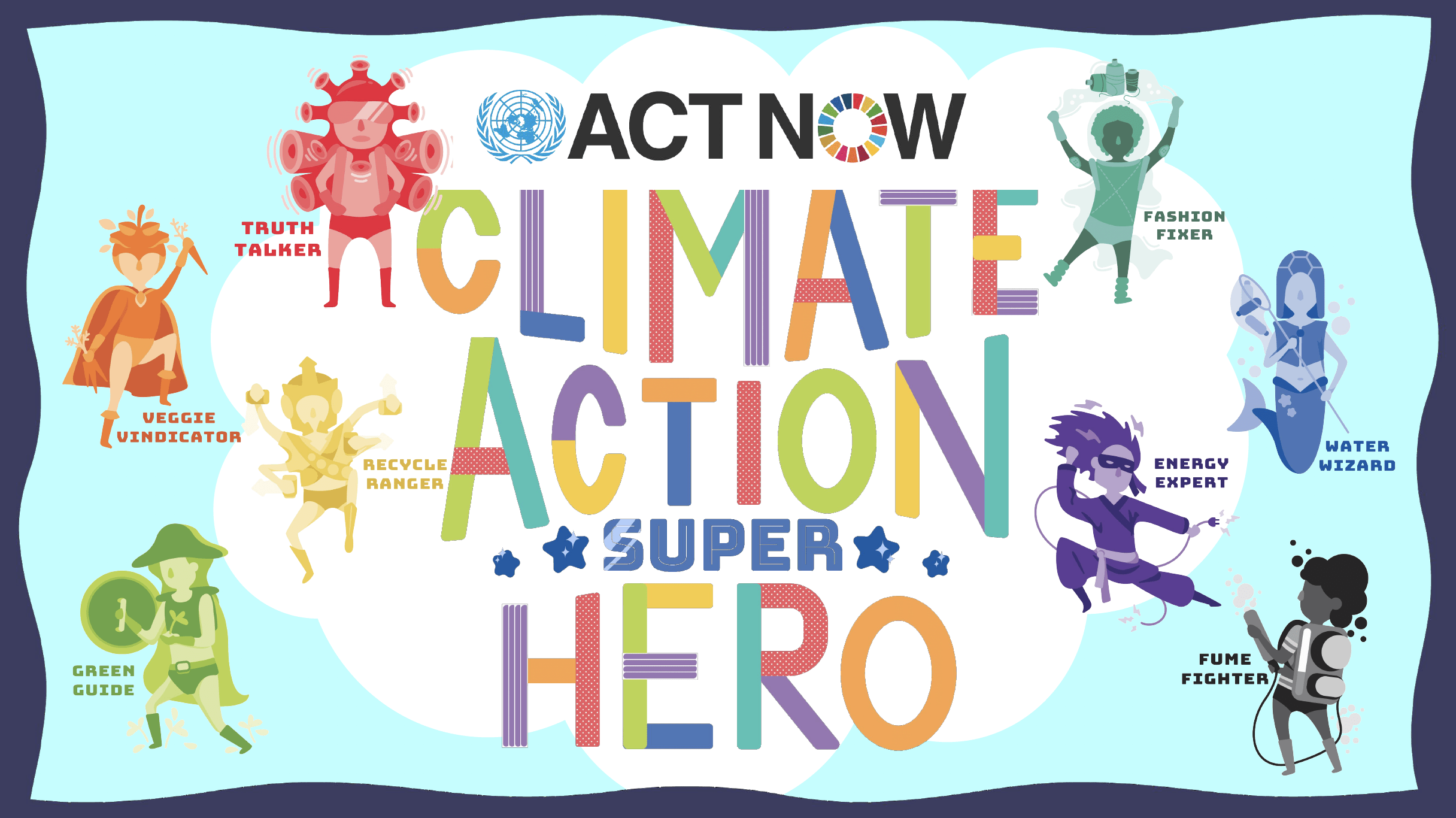
Individual Actions to Fight Climate Change
Climate change is a global crisis that requires collective action from individuals, communities, governments, and businesses. While systemic changes are crucial, individual actions also play a significant role in combating climate change. Here are some practical steps that individuals can take to reduce their carbon footprint and contribute to a more sustainable future:
Reduce, Reuse, Recycle
One of the simplest ways to combat climate change is by practicing the 3Rs – Reduce, Reuse, Recycle. Minimize waste by avoiding single-use plastics, opting for reusable products, and recycling materials whenever possible.
Conserve Energy
Save energy at home by turning off lights when not in use, using energy-efficient appliances, insulating your home, and adjusting your thermostat to reduce heating and cooling costs.
Choose Sustainable Transportation
Reduce your carbon footprint by walking, biking, carpooling, or using public transportation whenever possible. Consider investing in an electric vehicle or hybrid car for a greener commute.
Support Renewable Energy
Switch to renewable energy sources such as solar or wind power for your home electricity needs. Many utility companies offer green energy options that support the transition to clean energy.
Eat Sustainably
Reduce your carbon footprint by choosing locally sourced and organic foods. Eating less meat and incorporating more plant-based meals into your diet can also have a positive impact on the environment.
Plant Trees
Trees play a crucial role in sequestering carbon dioxide from the atmosphere. Consider planting trees in your community or supporting reforestation projects to help combat deforestation and promote biodiversity.
By taking these individual actions and making sustainable choices in our daily lives, we can all contribute to the fight against climate change and work towards a healthier planet for future generations.
9 Ways You Can Fight Climate Change: Your Guide to Sustainable Living and Advocacy
- What are some simple ways individuals can reduce their carbon footprint?
- How can I save energy at home to help combat climate change?
- What are sustainable transportation options that individuals can choose?
- How can individuals support the use of renewable energy sources?
- What is the impact of dietary choices on climate change?
- How does planting trees help in fighting climate change?
- Are there government incentives available for individuals to adopt eco-friendly practices?
- What role do consumer choices play in addressing climate change?
- How can individuals advocate for policy changes to promote sustainability?
What are some simple ways individuals can reduce their carbon footprint?
There are several simple ways individuals can reduce their carbon footprint and contribute to fighting climate change. One effective method is to minimize energy consumption by turning off lights and electronics when not in use, using energy-efficient appliances, and insulating homes to reduce heating and cooling needs. Choosing sustainable transportation options such as walking, biking, or carpooling can also significantly lower carbon emissions. Additionally, opting for reusable products over single-use items, recycling materials, and supporting renewable energy sources like solar power are practical steps that individuals can take to make a positive impact on the environment.
How can I save energy at home to help combat climate change?
To save energy at home and contribute to combating climate change, there are several simple yet effective steps you can take. Start by ensuring your home is well-insulated to prevent heat loss during colder months and reduce the need for excessive heating. Opt for energy-efficient appliances and lighting fixtures to lower electricity consumption. Make it a habit to turn off lights, electronics, and appliances when not in use to avoid unnecessary energy waste. Additionally, consider adjusting your thermostat settings to conserve energy for heating and cooling. These small changes can add up to significant energy savings over time and play a part in reducing your carbon footprint.
What are sustainable transportation options that individuals can choose?
When considering sustainable transportation options to combat climate change, individuals have several eco-friendly choices available. Opting for public transportation, such as buses or trains, can significantly reduce carbon emissions by decreasing the number of cars on the road. Walking and biking are not only environmentally friendly but also promote personal health and well-being. Carpooling with coworkers or using ride-sharing services helps minimize individual carbon footprints while fostering a sense of community. Investing in electric vehicles or hybrid cars is another sustainable option that reduces reliance on fossil fuels and promotes cleaner energy sources. By choosing these sustainable transportation alternatives, individuals can play a vital role in mitigating climate change and creating a more environmentally conscious society.
How can individuals support the use of renewable energy sources?
Individuals can support the use of renewable energy sources in several ways. One effective way is to switch to a renewable energy provider for their electricity needs, such as solar or wind power. By opting for green energy options offered by utility companies, individuals can directly contribute to the transition to clean and sustainable energy sources. Additionally, investing in personal solar panels or participating in community solar projects can help increase the demand for renewable energy and reduce reliance on fossil fuels. Supporting policies that promote renewable energy development and advocating for greater investment in renewable infrastructure are also impactful ways for individuals to advance the use of clean energy sources in their communities and beyond.
What is the impact of dietary choices on climate change?
Dietary choices have a significant impact on climate change due to the environmental footprint of food production. The production of animal-based products, particularly meat and dairy, is resource-intensive and contributes to greenhouse gas emissions. Livestock farming requires vast amounts of land, water, and feed, leading to deforestation, water pollution, and habitat destruction. In contrast, plant-based diets have a lower carbon footprint as they require fewer resources to produce. By choosing more plant-based foods and reducing meat consumption, individuals can help mitigate climate change by reducing their overall carbon emissions associated with food production.
How does planting trees help in fighting climate change?
Planting trees is a powerful individual action that contributes significantly to fighting climate change. Trees act as natural carbon sinks, absorbing carbon dioxide from the atmosphere during photosynthesis and storing it in their biomass. This process helps reduce the concentration of greenhouse gases in the air, mitigating global warming. Additionally, trees release oxygen as a byproduct of photosynthesis, improving air quality and supporting biodiversity. By planting trees, individuals can actively participate in carbon sequestration efforts, enhance ecosystem resilience, and create a sustainable environment for future generations to thrive.
Are there government incentives available for individuals to adopt eco-friendly practices?
Many individuals wonder if there are government incentives available to support the adoption of eco-friendly practices in the fight against climate change. Governments around the world have implemented various incentive programs to encourage individuals to make sustainable choices. These incentives may include tax credits for installing solar panels or energy-efficient appliances, rebates for purchasing electric vehicles, subsidies for renewable energy installations, and grants for home energy efficiency upgrades. By taking advantage of these government incentives, individuals can not only reduce their carbon footprint but also save money while contributing to a more sustainable future.
What role do consumer choices play in addressing climate change?
Consumer choices play a pivotal role in addressing climate change. The products we choose to buy, the companies we support, and the resources we consume all have a direct impact on the environment. By opting for sustainable, eco-friendly products and supporting businesses that prioritize environmental responsibility, consumers can drive demand for greener alternatives and encourage industries to adopt more sustainable practices. Making informed choices about what we purchase and consume empowers individuals to reduce their carbon footprint and contribute to the collective effort in combating climate change.
How can individuals advocate for policy changes to promote sustainability?
Individuals can advocate for policy changes to promote sustainability by engaging with their elected representatives, participating in public demonstrations and rallies, supporting environmental organizations, and staying informed about relevant legislation and initiatives. By voicing concerns about climate change and urging policymakers to prioritize sustainable practices, individuals can help shape public opinion and influence decision-making at local, regional, and national levels. Collaboration with like-minded individuals and groups can amplify advocacy efforts and increase the likelihood of policy changes that support a greener, more sustainable future for all.