
The Importance of Ecosystem Conservation
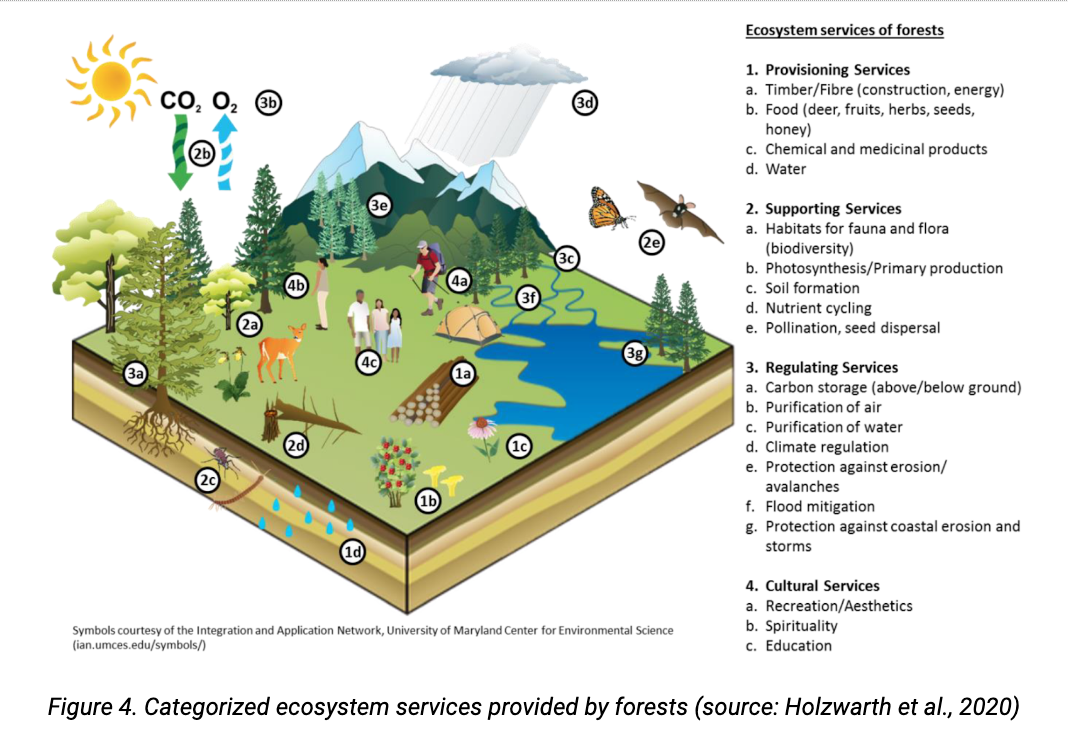
Our planet is home to a diverse range of ecosystems, each playing a crucial role in maintaining the balance of life on Earth. From lush rainforests to expansive oceans, these ecosystems provide habitat for countless species, regulate climate patterns, filter air and water, and offer numerous resources essential for human survival.
Unfortunately, due to human activities such as deforestation, pollution, and overexploitation of natural resources, many ecosystems are facing unprecedented threats. The loss of biodiversity and degradation of ecosystems not only jeopardize the survival of numerous plant and animal species but also have far-reaching consequences for human well-being.
Why is ecosystem conservation important?
Biodiversity Preservation: Ecosystems are incredibly diverse, hosting a wide array of plant and animal species. By conserving ecosystems, we protect this biodiversity, ensuring the survival of various organisms and maintaining the intricate web of life.
Climate Regulation: Forests, oceans, wetlands, and other ecosystems play a vital role in regulating the Earth’s climate. They absorb carbon dioxide from the atmosphere, helping mitigate climate change and its associated impacts.
Resource Sustainability: Ecosystems provide essential resources such as clean water, fertile soil, timber, medicinal plants, and food. By conserving these ecosystems sustainably, we can ensure a continued supply of resources for future generations.
Ecotourism and Recreation: Many ecosystems attract tourists and nature enthusiasts who contribute to local economies through ecotourism activities. Conserving these natural areas not only preserves their beauty but also supports livelihoods.
How can we conserve ecosystems?
Protected Areas: Establishing protected areas such as national parks, marine reserves, and wildlife sanctuaries helps safeguard critical habitats from destructive activities.
Sustainable Practices: Adopting sustainable practices in agriculture, forestry, fisheries, and urban development can minimize negative impacts on ecosystems while meeting human needs.
Education and Awareness: Educating communities about the importance of ecosystem conservation and promoting sustainable lifestyles can foster a culture of environmental stewardship.
Collaboration: Collaborating with governments, NGOs, businesses, local communities, and indigenous groups is essential for implementing effective conservation strategies that consider both ecological and social aspects.
In Conclusion
Ecosystem conservation is not just a choice but a necessity for the health of our planet and all its inhabitants. By working together to protect and restore ecosystems worldwide, we can secure a sustainable future for generations to come.
Top 8 Frequently Asked Questions About Ecosystem Conservation
- What are the 7 main types of ecosystems?
- What is the conservation of the ecosystem?
- What is ecosystem based conservation?
- Why is conserving ecosystems important?
- What are the 4 types of environmental conservation?
- What are the 4 C’s of conservation?
- What is an example of ecological conservation?
- What are the 2 methods of ecosystem conservation?
What are the 7 main types of ecosystems?
There are seven main types of ecosystems, each characterized by distinct environmental conditions and unique biodiversity. These ecosystems include forests, grasslands, deserts, aquatic (freshwater and marine), tundra, wetlands, and urban ecosystems. Forests are vital for carbon sequestration and habitat diversity, while grasslands support grazing animals and native plant species. Deserts are arid regions with specialized flora and fauna adapted to low moisture levels. Aquatic ecosystems encompass freshwater bodies like rivers and lakes as well as marine environments such as oceans, harboring diverse aquatic life. Tundra ecosystems are found in polar regions with cold temperatures and limited vegetation. Wetlands play a crucial role in water filtration and flood control. Urban ecosystems exist in cities, where human activities interact with natural elements to create complex environments. Understanding the diversity of these ecosystems is essential for effective conservation efforts to protect our planet’s natural heritage.
What is the conservation of the ecosystem?
The conservation of the ecosystem refers to the deliberate and sustainable management of natural habitats, species, and resources to protect and preserve the delicate balance of ecosystems. It involves efforts to prevent the degradation, destruction, or loss of biodiversity and essential ecosystem functions. By implementing conservation practices such as habitat restoration, wildlife protection, sustainable resource use, and environmental education, we aim to maintain the health and resilience of ecosystems for current and future generations. Conservation of the ecosystem is crucial for safeguarding biodiversity, mitigating climate change, ensuring resource sustainability, and promoting overall environmental well-being.
What is ecosystem based conservation?
Ecosystem-based conservation is an approach that focuses on preserving and managing entire ecosystems as a means of protecting biodiversity and promoting ecological resilience. Rather than targeting individual species or habitats in isolation, ecosystem-based conservation considers the interactions and interdependencies within an ecosystem. By safeguarding the health and functioning of entire ecosystems, this approach aims to sustainably maintain diverse plant and animal populations, preserve critical habitats, and support the overall well-being of the environment. Ecosystem-based conservation recognizes the intrinsic value of ecosystems and seeks to balance human needs with nature’s capacity to thrive harmoniously.
Why is conserving ecosystems important?
Conserving ecosystems is vital for a multitude of reasons. Ecosystems support a rich diversity of plant and animal species, contributing to the overall health and balance of our planet’s biodiversity. By preserving ecosystems, we safeguard critical habitats and ensure the survival of various species, many of which play essential roles in ecosystem functions. Furthermore, healthy ecosystems help regulate climate patterns, purify air and water, provide valuable resources such as food and medicine, and offer recreational opportunities for people. Ultimately, conserving ecosystems is crucial for sustaining life on Earth, including our own well-being as humans are intricately interconnected with nature.
What are the 4 types of environmental conservation?
Environmental conservation encompasses various approaches to protect and preserve our natural world. The four main types of environmental conservation include habitat conservation, species conservation, ecosystem conservation, and genetic conservation. Habitat conservation focuses on safeguarding specific habitats such as forests, wetlands, and grasslands to maintain biodiversity and ecological balance. Species conservation aims to protect endangered plants and animals from extinction through breeding programs, habitat restoration, and legal protections. Ecosystem conservation involves preserving entire ecosystems like coral reefs or rainforests to ensure the health of interconnected species and ecological processes. Genetic conservation focuses on conserving the genetic diversity of species to enhance their resilience to environmental changes and threats. Each type of environmental conservation plays a vital role in maintaining the health and sustainability of our planet’s natural resources.
What are the 4 C’s of conservation?
The 4 C’s of conservation refer to the core principles that guide effective ecosystem preservation efforts: Conservation, Community, Collaboration, and Communication. Conservation emphasizes the protection and sustainable management of natural resources and habitats. Community involves engaging and empowering local communities to participate in conservation initiatives, recognizing their vital role in safeguarding ecosystems. Collaboration stresses the importance of partnerships among stakeholders, including governments, organizations, and individuals, to achieve shared conservation goals. Communication underscores the need for transparent and effective communication strategies to raise awareness, educate the public, and mobilize support for ecosystem conservation efforts. By adhering to these fundamental principles, conservationists can work towards ensuring the long-term health and resilience of our planet’s diverse ecosystems.
What is an example of ecological conservation?
Ecological conservation encompasses a wide range of practices aimed at preserving and protecting natural ecosystems and the species within them. One prominent example of ecological conservation is the establishment of wildlife corridors. These are pathways that connect fragmented habitats, allowing animals to move freely between different areas for feeding, breeding, and migration. By creating wildlife corridors, conservationists help maintain genetic diversity, reduce conflicts with humans, and enhance the resilience of ecosystems in the face of environmental changes. This proactive approach to ecological conservation illustrates how strategic interventions can support biodiversity and ecosystem health in the long term.
What are the 2 methods of ecosystem conservation?
There are two primary methods of ecosystem conservation: establishing protected areas and promoting sustainable practices. Protected areas, such as national parks and wildlife reserves, serve as havens for biodiversity by safeguarding critical habitats from human encroachment and destructive activities. On the other hand, promoting sustainable practices in agriculture, forestry, fisheries, and urban development involves adopting methods that minimize negative impacts on ecosystems while meeting human needs. By combining these two approaches, we can effectively preserve and restore ecosystems for the benefit of both nature and society.