
The Urgency of Climate Action Solutions
Climate change is one of the most pressing issues of our time, impacting ecosystems, communities, and economies worldwide. As the planet continues to warm due to human activities, the need for effective climate action solutions becomes increasingly urgent.
Renewable Energy Transition
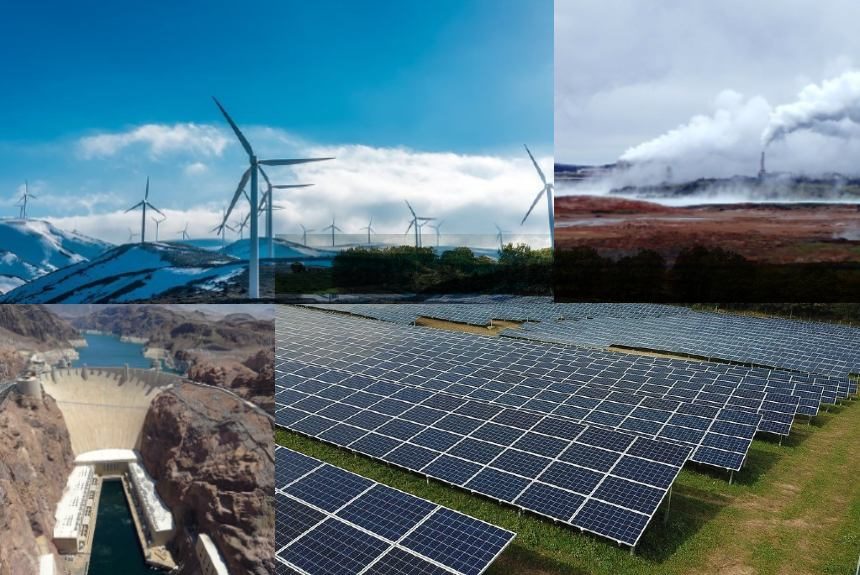
Transitioning from fossil fuels to renewable energy sources is a crucial step in combating climate change. Solar, wind, hydroelectric, and other renewable energy technologies offer cleaner alternatives that reduce greenhouse gas emissions and decrease reliance on non-renewable resources.
Sustainable Transportation
The transportation sector is a significant contributor to carbon emissions. Implementing sustainable transportation solutions such as electric vehicles, public transit systems, biking infrastructure, and carpooling initiatives can help reduce emissions and promote cleaner air in urban areas.
Reforestation and Forest Conservation
Forests play a vital role in sequestering carbon dioxide from the atmosphere. Supporting reforestation efforts, preventing deforestation, and promoting sustainable forest management practices are essential for maintaining healthy ecosystems and mitigating climate change impacts.
Climate Resilience Strategies
Building resilience to climate change impacts is crucial for communities vulnerable to extreme weather events. Developing climate-resilient infrastructure, implementing early warning systems, and enhancing adaptive capacity can help communities better cope with the effects of a changing climate.
Sustainable Agriculture Practices
Agriculture is both impacted by and contributes to climate change. Adopting sustainable agricultural practices such as organic farming, agroforestry, crop diversification, and soil conservation techniques can help reduce greenhouse gas emissions from agriculture while promoting food security and biodiversity conservation.
Global Collaboration and Policy Actions
Addressing climate change requires global collaboration and coordinated policy actions at all levels. International agreements like the Paris Agreement provide frameworks for countries to set emission reduction targets and work together towards a sustainable future. Governments, businesses, organizations, and individuals must all play a role in driving meaningful climate action solutions.
9 Effective Tips for Taking Climate Action and Reducing Your Carbon Footprint
- Reduce energy consumption by using energy-efficient appliances.
- Opt for renewable energy sources like solar or wind power.
- Minimize waste by recycling and composting regularly.
- Support policies that promote sustainable practices and carbon reduction.
- Use public transportation, carpool, bike, or walk to reduce carbon emissions.
- Plant trees and support reforestation projects to absorb CO2.
- Conserve water by fixing leaks and using water-saving fixtures.
- Educate others about the importance of climate action solutions.
- Choose sustainable products with minimal packaging.
Reduce energy consumption by using energy-efficient appliances.
Reducing energy consumption by utilizing energy-efficient appliances is a practical and impactful tip for climate action solutions. Energy-efficient appliances not only help lower electricity bills but also significantly decrease greenhouse gas emissions associated with power generation. By opting for appliances with high energy efficiency ratings, individuals can contribute to mitigating climate change while promoting sustainable living practices. Making simple choices like upgrading to energy-efficient models can lead to long-term environmental benefits and a more sustainable future for all.
Opt for renewable energy sources like solar or wind power.
Choosing renewable energy sources such as solar or wind power is a crucial step in combating climate change. By opting for clean energy alternatives, we reduce our reliance on fossil fuels and decrease harmful greenhouse gas emissions that contribute to global warming. Investing in solar panels or wind turbines not only helps lower our carbon footprint but also promotes a sustainable energy future for generations to come. Making the switch to renewable energy is a practical and impactful way individuals and communities can contribute to mitigating the effects of climate change.
Minimize waste by recycling and composting regularly.
Minimizing waste through regular recycling and composting is a simple yet impactful climate action solution. By diverting recyclable materials from landfills and turning organic waste into nutrient-rich compost, we can reduce greenhouse gas emissions, conserve natural resources, and promote a more sustainable way of living. Recycling and composting not only help mitigate the environmental impacts of waste disposal but also contribute to building a circular economy that values resource efficiency and conservation. Making conscious choices to recycle and compost regularly is a practical step towards reducing our carbon footprint and protecting the planet for future generations.
Support policies that promote sustainable practices and carbon reduction.
Supporting policies that promote sustainable practices and carbon reduction is a crucial step in addressing climate change. By advocating for and implementing policies that incentivize the adoption of renewable energy, sustainable transportation, and eco-friendly agricultural practices, we can significantly reduce greenhouse gas emissions and mitigate the impacts of global warming. These policies not only benefit the environment but also create opportunities for innovation, economic growth, and a more resilient future for generations to come. It is imperative that individuals, communities, businesses, and governments work together to support and enact policies that prioritize sustainability and carbon reduction as part of a comprehensive approach to climate action solutions.
Use public transportation, carpool, bike, or walk to reduce carbon emissions.
Utilizing public transportation, carpooling, biking, or walking are effective ways to reduce carbon emissions and combat climate change. By opting for these sustainable transportation methods, individuals can significantly decrease their carbon footprint and contribute to cleaner air quality in their communities. Embracing alternative modes of transportation not only helps mitigate greenhouse gas emissions but also promotes healthier lifestyles and reduces traffic congestion. Making simple choices like using public transportation or biking can have a positive impact on the environment and pave the way for a more sustainable future.
Plant trees and support reforestation projects to absorb CO2.
Planting trees and supporting reforestation projects are effective climate action solutions that can help mitigate the impacts of climate change. Trees act as natural carbon sinks, absorbing carbon dioxide from the atmosphere during photosynthesis and storing it in their biomass. By increasing forest cover and restoring degraded ecosystems, we can enhance carbon sequestration, improve air quality, and promote biodiversity. Investing in tree planting initiatives not only helps combat climate change but also contributes to creating healthier environments for both people and wildlife.
Conserve water by fixing leaks and using water-saving fixtures.
Conserving water is a key aspect of climate action solutions. By fixing leaks in plumbing systems and utilizing water-saving fixtures, individuals can significantly reduce water waste and lessen the energy required for water treatment and distribution. These simple yet effective actions not only help in preserving a precious resource but also contribute to lowering carbon emissions associated with water usage. Making conscious efforts to conserve water at the household level plays a vital role in promoting sustainability and mitigating the impacts of climate change on our environment.
Educate others about the importance of climate action solutions.
Educating others about the importance of climate action solutions is a crucial step towards creating a more sustainable future. By raising awareness about the impacts of climate change and the effectiveness of various solutions, individuals can inspire positive change within their communities. Through education, people can understand the urgency of taking action to reduce carbon emissions, preserve natural resources, and protect vulnerable ecosystems. Empowering others with knowledge about climate action solutions not only fosters a sense of environmental responsibility but also encourages collective efforts towards building a greener and healthier planet for future generations.
Choose sustainable products with minimal packaging.
When considering climate action solutions, opting for sustainable products with minimal packaging can have a significant impact on reducing waste and carbon emissions. By choosing items that are packaged in eco-friendly materials or that have minimal packaging, individuals can help decrease the amount of plastic and other non-biodegradable materials that end up in landfills or oceans. This simple choice not only promotes environmental sustainability but also encourages manufacturers to adopt more eco-conscious practices, ultimately contributing to a healthier planet for future generations.