
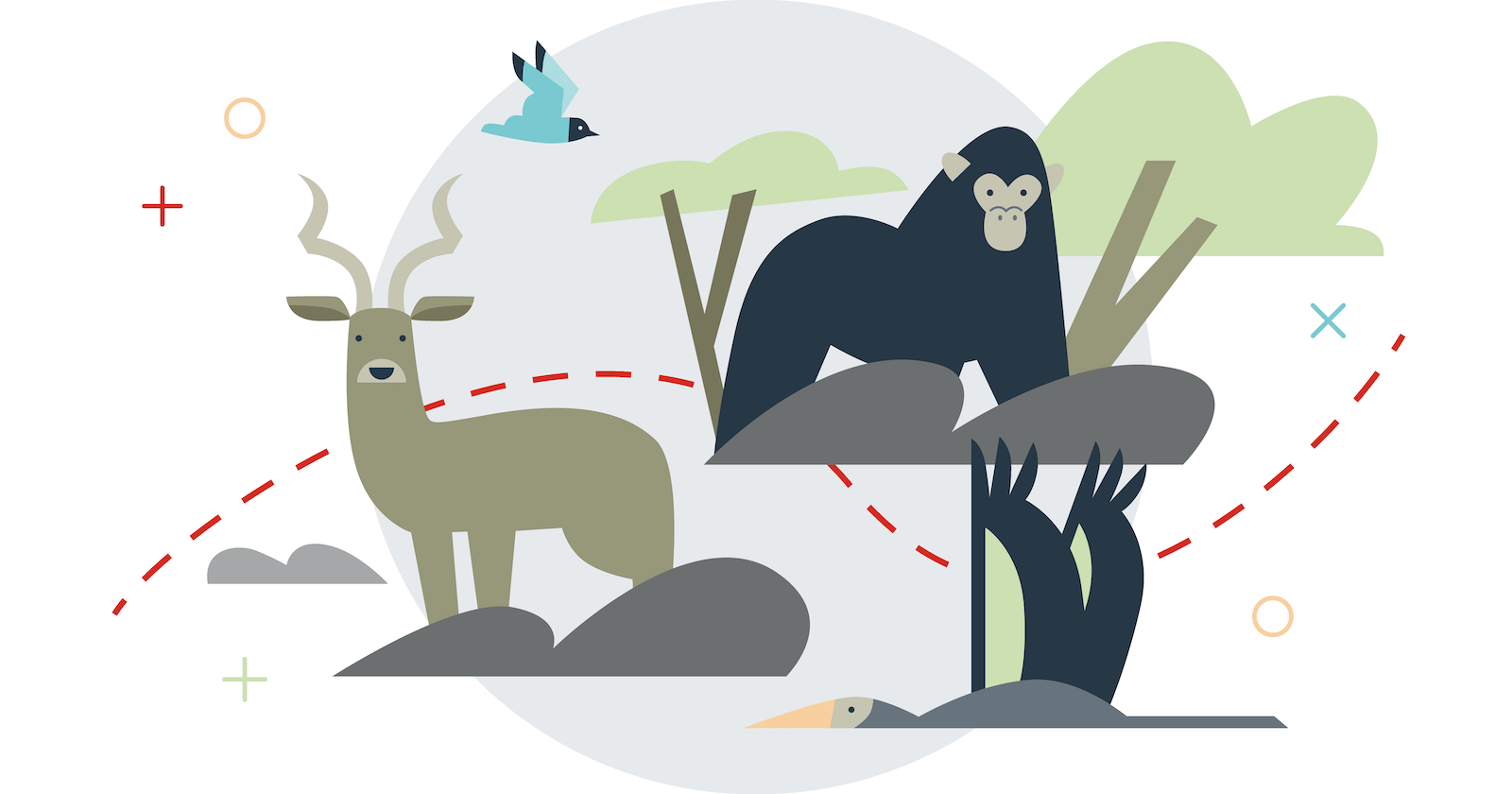
Biodiversity and the Conservation of Wildlife
Biodiversity is the variety of life on Earth. It includes the diversity of species, the genetic differences within those species, and the ecosystems where they live. From forests and grasslands to rivers, wetlands, and oceans, every habitat supports a web of relationships among plants, animals, fungi, and microorganisms.
Wildlife is an essential part of this web. Animals help pollinate plants, disperse seeds, regulate populations, and keep ecosystems functioning. Healthy natural systems also provide people with clean water, fertile soil, food, and other resources. Conserving wildlife is therefore not only about protecting individual species; it is also about maintaining the natural systems on which communities and economies depend.
Why Biodiversity Is Under Pressure
Wildlife faces growing challenges around the world. Habitat loss and fragmentation, driven by activities such as land development, agriculture, logging, and road construction, can leave animals with less space to find food, shelter, and mates. Pollution, invasive species, overfishing, and illegal hunting and wildlife trade also threaten many species.
Climate change adds further pressure. Changes in temperature and rainfall can alter habitats, food availability, and migration patterns. Some species may adapt or move to new areas, while others may struggle, particularly when their habitats are already small or fragmented. These threats often interact, making recovery more difficult.
What Wildlife Conservation Involves
Wildlife conservation uses a range of approaches to protect species and the places they need to survive. Establishing and effectively managing protected areas can safeguard important habitats. Restoring degraded landscapes, wetlands, rivers, and coastal ecosystems can help wildlife return and reconnect isolated populations.
Conservation also depends on research and monitoring. Scientists and local communities track wildlife populations, study habitat conditions, and identify emerging threats. This information helps guide practical decisions, from protecting nesting sites to designing wildlife corridors that allow animals to move safely between habitats.
Strong conservation efforts include people who live near or rely on natural areas. Partnerships with Indigenous peoples and local communities can support stewardship grounded in long-standing knowledge and experience. Conservation programs are more likely to succeed when they respect local rights, include community voices, and create sustainable ways to benefit from healthy ecosystems.
How Individuals Can Help
Individual choices can contribute to broader conservation efforts. People can plant native species, reduce pesticide use, keep cats indoors where appropriate, and make outdoor spaces safer for wildlife. Choosing responsibly sourced products, reducing waste, and avoiding products connected to illegal wildlife trade can also help lessen pressure on habitats and species.
Supporting credible conservation organizations, participating in local habitat-restoration projects, and learning about nearby wildlife are other meaningful steps. When observing animals, it is important to keep a respectful distance, avoid disturbing nests or dens, and follow local guidance.
A Shared Responsibility
Protecting biodiversity requires sustained action from governments, businesses, scientists, communities, and individuals. No single solution can address every threat, but habitat protection, restoration, responsible land and water use, and inclusive community partnerships can make a real difference. By conserving wildlife and the ecosystems that sustain it, people help preserve a richer, healthier natural world for future generations.
9 Essential Tips for Protecting Biodiversity and Conserving Wildlife
- Plant native flowers, shrubs, and trees.
- Avoid pesticides that harm pollinators.
- Keep cats indoors to protect wildlife.
- Choose sustainably sourced seafood and products.
- Reduce plastic use and dispose of waste properly.
- Stay on marked trails and observe animals from afar.
- Create wildlife-friendly spaces with water and shelter.
- Support local conservation groups and habitat restoration.
- Share what you learn about biodiversity with others.
Plant native flowers, shrubs, and trees.
Planting native flowers, shrubs, and trees gives local wildlife food and shelter suited to the region. Native plants can provide nectar and pollen for pollinators, seeds and berries for birds, and places for insects and other animals to nest or hide. Once established, they often need less watering and maintenance than nonnative plants because they are adapted to local conditions. Choose a variety of native species that bloom and bear fruit at different times of year to support wildlife across the seasons.
Avoid pesticides that harm pollinators.
Avoid pesticides that can harm pollinators such as bees, butterflies, and other beneficial insects. Instead, try natural pest-control methods, choose products labeled as pollinator-safe, and follow all directions carefully. When possible, plant native flowers and herbs to provide pollinators with food and shelter, helping support healthy ecosystems and local wildlife.
Keep cats indoors to protect wildlife.
Keeping cats indoors is a simple way to help protect wildlife. Outdoor cats can hunt birds, small mammals, reptiles, and other animals, even when they’re well fed. An indoor home, secure outdoor enclosure, or supervised time outside on a leash can keep cats safer while reducing their impact on local wildlife. Use toys, climbing spaces, and regular play to help indoor cats stay active and engaged.
Choose sustainably sourced seafood and products.
Choosing sustainably sourced seafood and products can help reduce pressure on wildlife and the habitats they depend on. Look for trusted sustainability certifications, check seafood guides for responsible choices, and choose products made without harmful or illegally sourced materials. When consumers support responsible producers, they encourage practices that protect ecosystems and help ensure natural resources remain available for future generations.
Reduce plastic use and dispose of waste properly.
Reducing plastic use and disposing of waste properly can help protect wildlife and their habitats. Plastic bags, packaging, and other litter can pollute waterways and natural areas, where animals may become entangled or mistake debris for food. Choose reusable bags, bottles, and containers when possible, and recycle or discard waste according to local guidelines. Never leave litter behind outdoors, and secure trash so it cannot blow or wash into nearby habitats.
Stay on marked trails and observe animals from afar.
Staying on marked trails helps protect fragile plants and habitats, while also reducing the chance of disturbing nesting or feeding areas. Observe wildlife from a respectful distance, and never approach, chase, or feed animals. This gives them space to behave naturally and helps keep both people and wildlife safe.
Create wildlife-friendly spaces with water and shelter.
Create wildlife-friendly spaces by providing clean water and safe shelter for local animals. A shallow birdbath, small pond, or water dish with stones for insects can help wildlife stay hydrated, especially during dry weather. Native trees, shrubs, and flowering plants offer food and cover, while brush piles, logs, and undisturbed corners create places for birds, pollinators, amphibians, and small mammals to rest and nest. Avoid pesticides and refresh water regularly to keep these spaces safer and healthier.
Support local conservation groups and habitat restoration.
Supporting local conservation groups is a practical way to protect wildlife and the places it depends on. These organizations often lead habitat-restoration projects, such as planting native species, removing invasive plants, cleaning waterways, and improving spaces for birds, pollinators, and other wildlife. You can help by volunteering, donating, joining community events, or sharing information about their work. Local efforts can strengthen ecosystems and make a lasting difference in your community.
Share what you learn about biodiversity with others.
Sharing what you learn about biodiversity can inspire others to care for wildlife and take action to protect it. Talk with friends and family, share reliable information online, or join a community event to explain why healthy habitats and diverse species matter. Small conversations can spark curiosity, challenge misconceptions, and encourage people to make choices that support conservation.