
What is Climate Action?
Climate action refers to the efforts taken to combat climate change and its impacts on the environment. It involves implementing strategies and policies that reduce greenhouse gas emissions, promote sustainable practices, and adapt to the changing climate conditions.
In recent years, the need for climate action has become increasingly urgent as the effects of global warming are becoming more evident. Rising temperatures, extreme weather events, melting ice caps, and sea-level rise are just some of the consequences of climate change that threaten ecosystems and human well-being.
Climate action can take many forms, including:
- Mitigation: Reducing greenhouse gas emissions through measures such as transitioning to renewable energy sources, improving energy efficiency, and promoting sustainable transportation.
- Adaptation: Building resilience to climate change impacts by implementing strategies like developing drought-resistant crops, constructing flood defenses, and planning for sea-level rise.
- Awareness and Advocacy: Educating communities about climate change issues, advocating for policy changes at local and global levels, and mobilizing support for sustainable practices.
Individuals, organizations, governments, and businesses all have a role to play in climate action. By working together to reduce emissions, protect natural resources, and promote sustainability, we can mitigate the worst effects of climate change and create a more resilient future for generations to come.
Understanding Climate Action: Key Questions and Answers
- What is climate action?
- Why is climate action important?
- How does climate action help combat climate change?
- Who is involved in climate action efforts?
- What are the main goals of climate action initiatives?
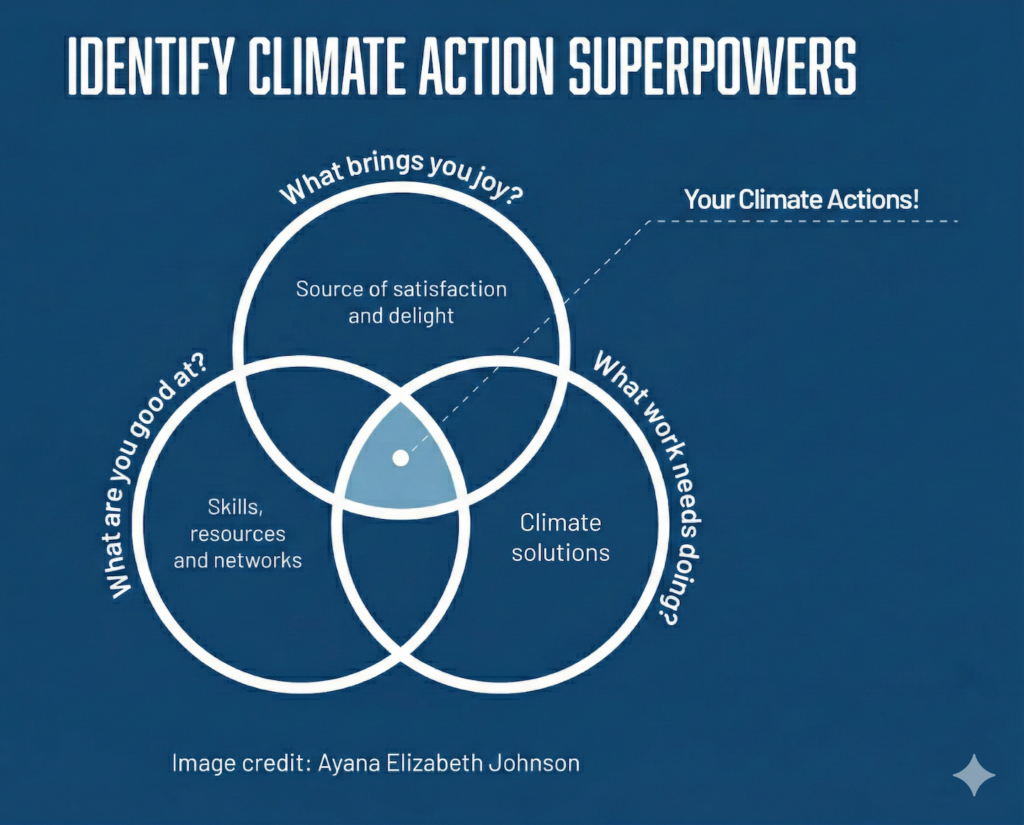
- How can individuals contribute to climate action?
What is climate action?
Climate action encompasses a broad range of initiatives aimed at addressing and mitigating the impacts of climate change. It involves implementing strategies to reduce greenhouse gas emissions, promote sustainability, and build resilience to the changing climate. Climate action includes efforts such as transitioning to renewable energy sources, improving energy efficiency, advocating for policy changes, raising awareness about environmental issues, and adapting to the effects of global warming. By engaging in climate action at individual, community, and global levels, we can work towards a more sustainable future for our planet and future generations.
Why is climate action important?
Climate action is crucial because it addresses the pressing issue of climate change, which poses significant threats to our planet and its inhabitants. By taking proactive measures to reduce greenhouse gas emissions, promote sustainable practices, and adapt to changing climate conditions, we can help mitigate the impacts of global warming. Climate action is important for safeguarding ecosystems, protecting biodiversity, ensuring food and water security, and enhancing overall human well-being. It is a collective responsibility to address climate change through concerted efforts at all levels – individual, community, national, and global – in order to create a more sustainable and resilient future for generations to come.
How does climate action help combat climate change?
Climate action plays a crucial role in combating climate change by addressing the root causes of global warming and its adverse effects on the environment. By implementing measures to reduce greenhouse gas emissions, such as transitioning to renewable energy sources, promoting energy efficiency, and adopting sustainable practices, climate action helps mitigate the drivers of climate change. Additionally, through adaptation strategies that build resilience to changing climate conditions, such as developing climate-resilient infrastructure and implementing sustainable land-use practices, climate action helps communities and ecosystems better cope with the impacts of a warming planet. Overall, climate action is essential in not only slowing down the progression of climate change but also in safeguarding our planet for future generations.
Who is involved in climate action efforts?
In climate action efforts, a diverse range of stakeholders are involved in addressing the challenges posed by climate change. This includes governments at local, national, and international levels who play a crucial role in setting policies, regulations, and targets for reducing greenhouse gas emissions and promoting sustainable practices. Non-governmental organizations (NGOs), environmental groups, and community organizations also actively participate in climate action by raising awareness, advocating for change, and implementing local initiatives. Additionally, businesses and industries are increasingly recognizing the importance of sustainability and are integrating climate-friendly practices into their operations. Individuals can contribute to climate action through personal choices such as reducing energy consumption, supporting eco-friendly products, and advocating for environmental protection. Ultimately, effective climate action requires collaboration and commitment from all sectors of society to create a more sustainable future.
What are the main goals of climate action initiatives?
Climate action initiatives aim to achieve several main goals in the fight against climate change. These goals typically include reducing greenhouse gas emissions to limit global warming, promoting sustainable practices to protect the environment and natural resources, enhancing resilience to climate change impacts through adaptation measures, raising awareness about the importance of climate action, and fostering international cooperation to address this global challenge collectively. By working towards these goals, climate action initiatives strive to create a more sustainable and resilient future for our planet and all its inhabitants.
How can individuals contribute to climate action?
Individuals can contribute to climate action in various ways by making conscious choices in their daily lives. One impactful way is to reduce energy consumption by using energy-efficient appliances, turning off lights when not in use, and opting for public transportation or carpooling. Additionally, individuals can support renewable energy sources like solar or wind power, reduce waste by recycling and composting, and choose sustainable products with minimal packaging. Advocating for climate-friendly policies, participating in community clean-up events, and educating others about the importance of environmental conservation are also effective ways for individuals to make a positive impact on climate action.