
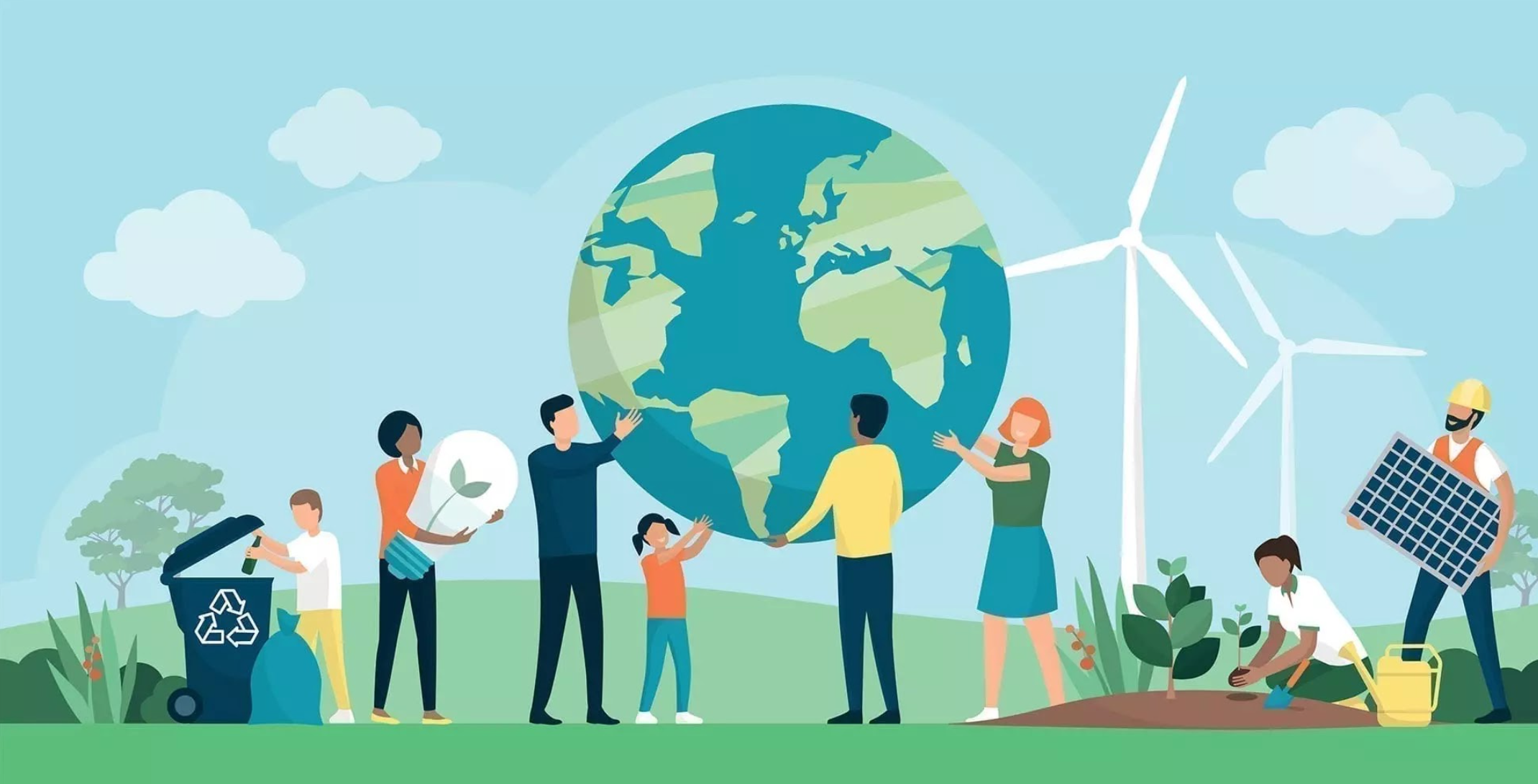
Action to Combat Climate Change
Climate change is one of the most pressing issues of our time, with far-reaching consequences for our planet and future generations. The good news is that there are actions we can take to combat climate change and mitigate its impacts. It requires collective effort, innovative solutions, and a commitment to sustainability.
Reducing Carbon Emissions
One of the most effective ways to combat climate change is by reducing carbon emissions. This can be achieved through transitioning to renewable energy sources such as solar, wind, and hydropower. Investing in clean energy technologies and improving energy efficiency in industries, transportation, and buildings are crucial steps in reducing our carbon footprint.
Protecting Forests and Biodiversity
Forests play a vital role in sequestering carbon dioxide from the atmosphere. Protecting and restoring forests not only helps combat climate change but also preserves biodiversity and supports local communities. Initiatives such as reforestation, sustainable forest management, and combating deforestation are essential in this regard.
Promoting Sustainable Practices
Adopting sustainable practices in agriculture, land use, and consumption patterns is key to combating climate change. By promoting organic farming, reducing food waste, and supporting local produce, we can reduce greenhouse gas emissions and minimize our environmental impact. Sustainable transportation options such as biking, walking, or using public transport also contribute to a greener future.
Advocating for Policy Changes
Policies play a significant role in addressing climate change on a systemic level. Advocating for policies that promote renewable energy adoption, regulate emissions from industries, incentivize sustainable practices, and protect natural resources is crucial for creating a conducive environment for combating climate change. Engaging with policymakers and supporting climate-friendly legislation can drive positive change at a larger scale.
Individual Action Matters
While systemic changes are important, individual actions also make a difference in combatting climate change. Simple everyday choices such as reducing plastic use, conserving water, recycling materials, and supporting eco-friendly products contribute to a more sustainable future. By raising awareness about climate change issues within our communities and inspiring others to take action, we can amplify our impact.
8 Essential Tips for Taking Action Against Climate Change
- Reduce, reuse, and recycle to minimize waste
- Conserve water by taking shorter showers and fixing leaks
- Switch to energy-efficient appliances and light bulbs
- Use public transportation, carpool, or bike instead of driving alone
- Plant trees and support reforestation efforts
- Choose locally sourced and organic foods to reduce carbon footprint
- Advocate for policies that promote renewable energy sources
- Educate others about the importance of combating climate change
Reduce, reuse, and recycle to minimize waste
Reducing, reusing, and recycling are simple yet powerful ways to combat climate change by minimizing waste. By reducing our consumption, reusing items whenever possible, and recycling materials, we can significantly reduce the amount of waste sent to landfills and decrease the demand for new resources. This practice not only conserves energy and reduces greenhouse gas emissions but also promotes a more sustainable lifestyle that benefits the environment for generations to come.
Conserve water by taking shorter showers and fixing leaks
Conserving water is a crucial step in combating climate change. By taking shorter showers and fixing leaks, we can reduce our water consumption and lessen the energy required to heat water, thus lowering our carbon footprint. Every drop saved contributes to preserving this precious resource and helps mitigate the impacts of water scarcity exacerbated by climate change. Simple actions like these not only benefit the environment but also promote a more sustainable lifestyle for a greener future.
Switch to energy-efficient appliances and light bulbs
Switching to energy-efficient appliances and light bulbs is a simple yet impactful action individuals can take to combat climate change. Energy-efficient appliances consume less electricity, reducing overall energy consumption and lowering greenhouse gas emissions. Similarly, using LED or CFL light bulbs not only saves energy but also lasts longer, reducing waste. By making these small changes in our daily lives, we can contribute to a more sustainable future by conserving energy and reducing our carbon footprint.
Use public transportation, carpool, or bike instead of driving alone
Using public transportation, carpooling, or biking instead of driving alone is a simple yet impactful way to combat climate change. By reducing the number of vehicles on the road, we can lower carbon emissions and decrease our environmental footprint. Opting for shared transportation options not only helps reduce air pollution but also eases traffic congestion and promotes a more sustainable way of commuting. Making this conscious choice in our daily travel habits can contribute to a greener and healthier planet for present and future generations.
Plant trees and support reforestation efforts
Planting trees and supporting reforestation efforts are powerful actions to combat climate change. Trees act as natural carbon sinks, absorbing carbon dioxide from the atmosphere and helping to mitigate greenhouse gas emissions. By planting trees and participating in reforestation projects, we not only contribute to carbon sequestration but also promote biodiversity, restore ecosystems, and enhance the resilience of our planet. Every tree planted is a step towards a greener future and a healthier environment for generations to come.
Choose locally sourced and organic foods to reduce carbon footprint
Choosing locally sourced and organic foods is a simple yet impactful way to combat climate change. By opting for produce that is grown or produced nearby, we can reduce the carbon footprint associated with transportation and storage. Additionally, supporting organic farming practices promotes sustainable agriculture, which helps preserve soil health and biodiversity while minimizing the use of synthetic pesticides and fertilizers that contribute to greenhouse gas emissions. Making conscious decisions about the food we consume not only benefits our health but also plays a part in building a more environmentally friendly food system for a greener future.
Advocate for policies that promote renewable energy sources
Advocating for policies that promote renewable energy sources is a crucial step in combatting climate change. By supporting initiatives that prioritize the transition to clean and sustainable energy sources such as solar, wind, and hydropower, we can significantly reduce greenhouse gas emissions and lessen our reliance on fossil fuels. These policies not only contribute to mitigating climate change but also drive innovation in the renewable energy sector, creating opportunities for economic growth and job creation in the green economy. Through advocacy efforts and public support for renewable energy policies, we can accelerate the shift towards a more sustainable energy future for generations to come.
Educate others about the importance of combating climate change
Educating others about the importance of combating climate change is a crucial step in addressing this global challenge. By raising awareness and sharing knowledge about the impacts of climate change on our planet and future generations, we empower individuals to take action. Through education, we can inspire changes in behavior, promote sustainable practices, and foster a collective commitment to protecting our environment. Spreading the message about the significance of combating climate change helps build a more informed and engaged community dedicated to creating a greener and more sustainable world for all.