
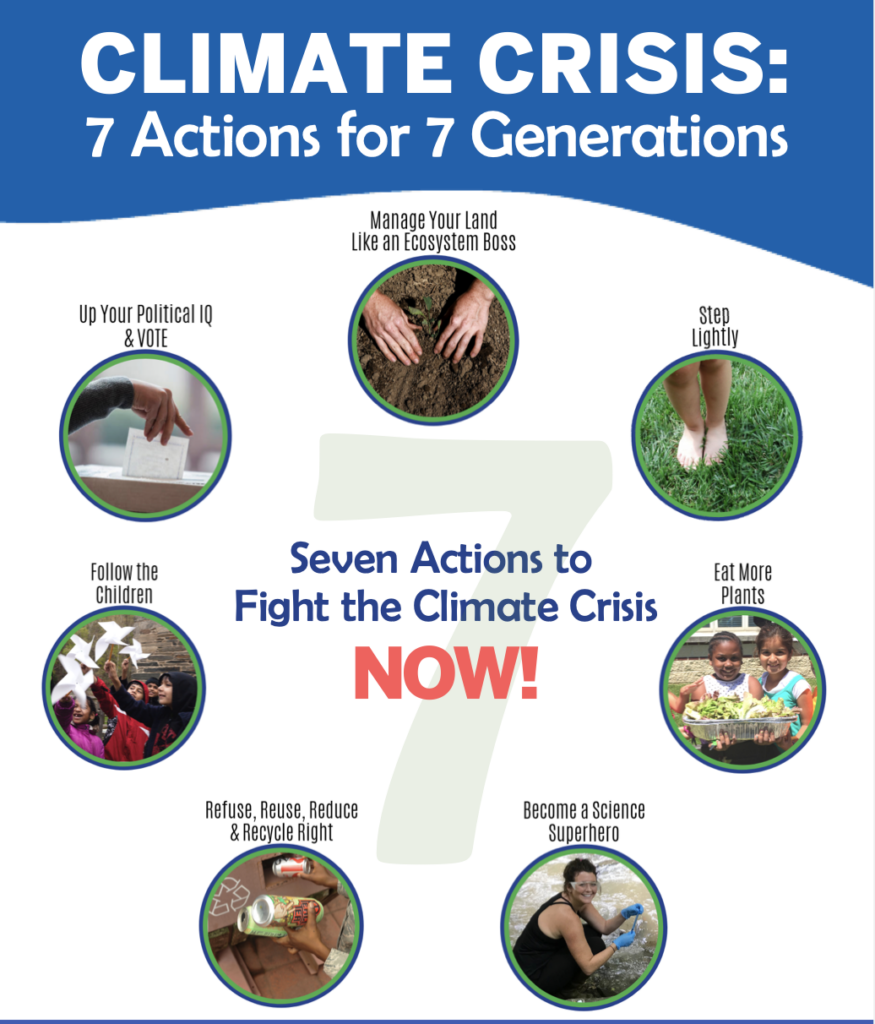
Taking Action on the Climate Crisis
The climate crisis is already affecting communities around the world. Rising temperatures are increasing the risk of extreme heat, wildfires, droughts, floods, and other disruptions. These impacts are not shared equally: people with fewer resources and those living in more vulnerable areas often face greater risks and have fewer options for recovery.
Responding to the crisis takes action at every level. Governments, businesses, communities, and individuals all have a role in reducing greenhouse gas emissions and preparing for changes that are already underway. Meaningful progress comes from combining practical steps today with long-term changes to the systems that shape how we produce energy, build communities, grow food, and move around.
Cutting Emissions at the Source
Burning coal, oil, and natural gas is a major source of greenhouse gas emissions. Expanding clean energy, improving energy efficiency, and reducing reliance on fossil fuels can help limit future warming. This includes building reliable renewable power, upgrading homes and workplaces, and making low-emission transportation more accessible.
Public policy and investment are essential to this transition. Communities can support plans that expand clean energy, improve public transit, strengthen building standards, and help workers and regions adapt as industries change. Businesses can also reduce emissions across their operations and supply chains, while being transparent about their progress.
Preparing for Climate Impacts
Reducing emissions is vital, but it cannot prevent every climate impact. Communities also need to prepare for heat waves, heavy rainfall, drought, wildfire smoke, and other local risks. Useful measures may include planting and protecting trees, improving stormwater systems, creating cooling centers, restoring wetlands, and updating emergency plans.
Preparation works best when it reflects local needs and includes the people most affected. Residents, scientists, local organizations, and public agencies can work together to identify risks, share trusted information, and make plans that protect health, homes, and essential services.
What Individuals Can Do
Individual choices can help reduce emissions and build momentum for broader change. Consider ways to use less energy at home, choose walking, biking, public transit, or carpooling when practical, reduce food waste, and select durable or lower-impact products. The best choices will vary depending on where you live and what resources are available.
Personal action also includes civic engagement. Learn about climate plans in your community, contact elected officials, participate in public meetings, and support organizations working on climate solutions. Conversations with friends, family, and neighbors can help make the issue easier to understand and encourage collective action.
Making Climate Action Fair
Climate solutions should improve people’s lives while reducing emissions. That means expanding access to affordable, reliable energy; protecting public health; creating good jobs; and ensuring that communities facing the greatest risks have a meaningful role in decisions. A fair transition recognizes that people and regions may need different kinds of support as the economy changes.
Progress Through Collective Effort
The scale of the climate crisis can feel overwhelming, but delay makes the challenge harder. Every effective policy, community project, and informed personal choice can contribute to progress. By working together to cut emissions, prepare for local impacts, and support fair solutions, communities can help protect people and the natural systems we all depend on.
8 Benefits of Taking Action on the Climate Crisis: From Clean Energy Jobs to a Safer Future
- Reduces greenhouse gas emissions.
- Protects public health.
- Creates clean-energy jobs.
- Improves energy efficiency.
- Helps communities prepare for extreme weather.
- Supports cleaner air and water.
- Protects wildlife and ecosystems.
- Builds a safer future for everyone.
Challenges in Addressing the Climate Crisis: Costs, Job Disruptions, Habitat Impacts, and Economic Burdens
- Climate projects can be costly upfront.
- Clean energy transitions may disrupt some jobs.
- New infrastructure can affect local habitats.
- Poorly planned policies may burden low-income households.
Reduces greenhouse gas emissions.
Taking action on the climate crisis helps reduce greenhouse gas emissions, the pollution that traps heat in the atmosphere and drives global warming. Shifting to clean energy, improving energy efficiency, and choosing lower-emission ways to travel can limit this pollution and help slow climate change. These steps also support healthier communities by reducing air pollution.
Protects public health.
Action on the climate crisis can protect public health by reducing air pollution and helping communities prepare for extreme heat, wildfires, floods, and other climate-related hazards. Shifting to cleaner energy and transportation can improve air quality and lower the risk of respiratory and heart problems, while measures such as cooling centers, shade trees, and emergency plans can help keep people safer during extreme weather. These benefits are especially important for children, older adults, and people with existing health conditions.
Creates clean-energy jobs.
Taking action on the climate crisis can create clean-energy jobs in fields such as solar and wind power, energy-efficient construction, battery manufacturing, and grid modernization. These careers can support local economies while helping communities transition to cleaner energy. With investment in training and fair access to employment, workers can gain opportunities in growing industries and contribute to a more sustainable future.
Improves energy efficiency.
Taking action on the climate crisis can improve energy efficiency by encouraging better-insulated buildings, efficient appliances, and cleaner industrial processes. Using less energy to heat, cool, and power homes and businesses can lower utility costs, reduce demand on the electric grid, and cut greenhouse gas emissions. These upgrades can also make indoor spaces more comfortable and help communities use energy resources more wisely.
Helps communities prepare for extreme weather.
Taking action on the climate crisis helps communities prepare for extreme weather such as heat waves, floods, droughts, and wildfires. Investments in early-warning systems, emergency plans, resilient infrastructure, and cooling centers can reduce risks and help people respond more quickly when conditions become dangerous. Preparing in advance can protect lives, homes, and essential services—especially for people most vulnerable to climate impacts.
Supports cleaner air and water.
Taking action on the climate crisis can support cleaner air and water. Replacing fossil fuels with renewable energy and improving energy efficiency can reduce air pollution that harms people’s health. Protecting forests, wetlands, and waterways also helps filter pollutants, limit runoff, and safeguard drinking water. These benefits can improve quality of life for communities while helping protect ecosystems for the future.
Protects wildlife and ecosystems.
Taking action on the climate crisis helps protect wildlife and the ecosystems they depend on. Reducing greenhouse gas emissions can slow warming and limit habitat disruption, while restoring forests, wetlands, and other natural areas gives plants and animals more space to thrive. Healthy ecosystems also support clean water, fertile soil, and biodiversity, benefiting both wildlife and people.
Builds a safer future for everyone.
Taking action on the climate crisis helps build a safer future for everyone by reducing the risks of extreme heat, wildfires, floods, droughts, and other climate-related hazards. Cleaner energy, healthier communities, and stronger emergency preparedness can protect lives, homes, and essential services. When climate solutions are designed to include and support all communities, they can make people more resilient today while helping create a safer, more stable future for generations to come.
Climate projects can be costly upfront.
Climate projects can be costly upfront, which may make them difficult for households, businesses, and local governments to begin. Installing energy-efficient equipment, upgrading buildings, adding renewable power, or improving infrastructure can require substantial initial investment, even when these changes may lower costs over time. Financing options, incentives, and phased implementation can help spread expenses and make climate action more accessible.
Clean energy transitions may disrupt some jobs.
Clean energy transitions can disrupt jobs in industries that rely on fossil fuels, such as coal mining, oil and gas extraction, and power generation. Workers may face layoffs, reduced hours, or the need to relocate or retrain, while entire communities can feel the effects when local employers shrink or close. Planning ahead—with job-training programs, income support, and investment in new local industries—can help workers and communities navigate the transition more fairly.
New infrastructure can affect local habitats.
Building infrastructure for climate action—such as renewable energy facilities, transmission lines, and roads—can disturb local habitats if projects are poorly planned. Construction may fragment ecosystems, displace wildlife, or affect sensitive areas. Careful site selection, environmental reviews, community input, and measures to avoid or reduce harm can help limit these impacts.
Poorly planned policies may burden low-income households.
Poorly planned climate policies can place a disproportionate burden on low-income households. For example, higher energy costs, fees, or requirements to replace vehicles or heating systems may be difficult to manage for families with limited budgets, especially when affordable alternatives are not available. To avoid worsening inequality, climate measures should include protections such as rebates, financial assistance, and accessible clean-energy options for the people who need them most.