
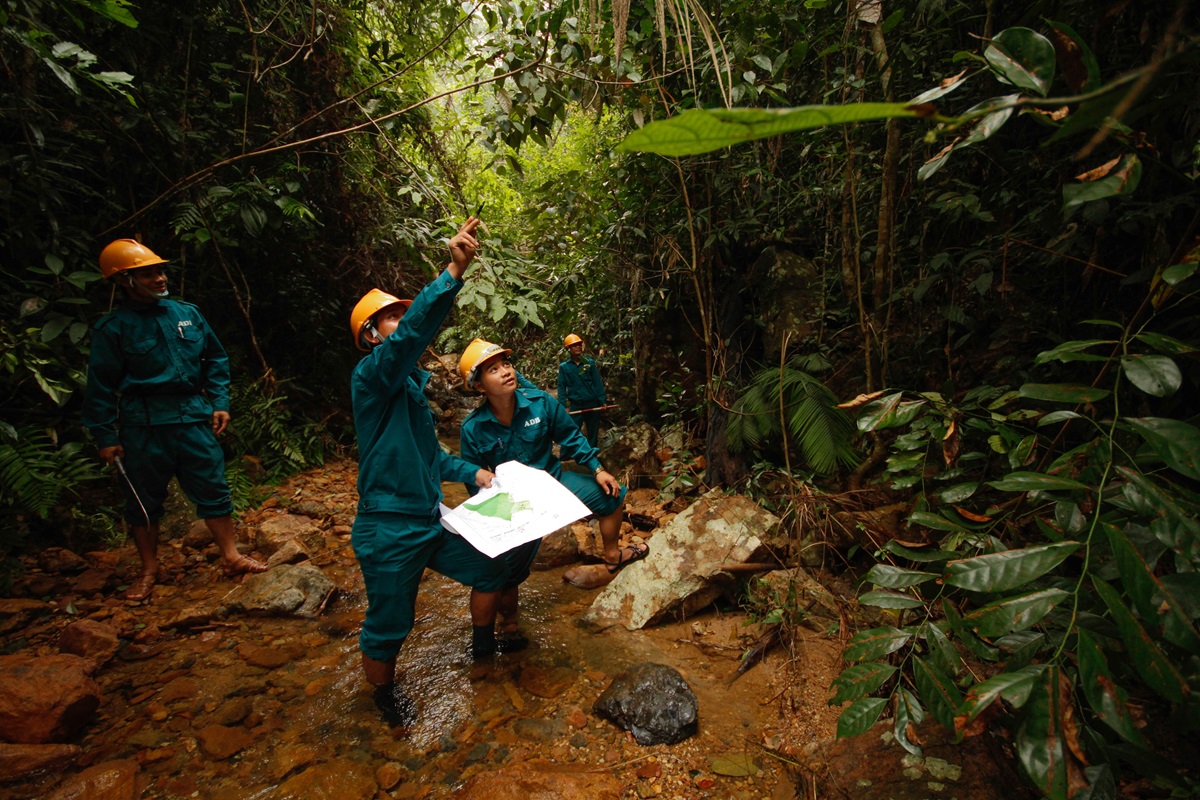
Biodiversity and Why Its Protection Matters
Biodiversity is the variety of life on Earth. It includes the many species of plants, animals, fungi, and microorganisms, as well as the genetic differences within those species and the ecosystems they form. From forests and grasslands to wetlands, rivers, and oceans, each environment supports a web of living things that depend on one another.
Protecting biodiversity is essential not only for wildlife, but also for people. Healthy ecosystems provide food, clean water, fertile soil, pollination, and natural protection from floods and erosion. They also help regulate the climate and offer cultural, recreational, and scientific value. When biodiversity declines, the natural systems that support communities and economies can become less resilient.
Why Biodiversity Is Declining
Biodiversity faces growing pressure from human activities. Habitat loss and fragmentation are among the most significant threats. As forests, wetlands, and other natural areas are cleared or divided for development, agriculture, roads, and industry, wildlife loses the space and resources it needs to survive.
Other major pressures include pollution, overfishing and hunting, invasive species, and climate change. These threats can reinforce one another. For example, a changing climate may make it harder for species to survive in damaged or fragmented habitats, while pollution can weaken the ecosystems that help plants and animals adapt.
How Biodiversity Supports People
Nature’s benefits are woven into daily life. Bees, butterflies, birds, and other animals pollinate many crops. Wetlands and forests can help filter water, store carbon, and reduce the effects of storms. Diverse ecosystems may also be more resilient to disturbances because they contain a wider range of species and ecological relationships.
Biodiversity is important to human health and culture, too. Many medicines are derived from natural compounds, and healthy natural spaces support recreation and well-being. Indigenous peoples and local communities also maintain deep connections to the lands and waters they care for, along with knowledge and practices that contribute to conservation.
Ways to Protect Biodiversity
Protecting biodiversity requires action at many levels. Governments and organizations can conserve important habitats, restore damaged ecosystems, support sustainable farming and fishing, and reduce pollution. Strong environmental policies and responsible land and water management can help wildlife populations recover and thrive.
Individuals can contribute through everyday choices. Supporting sustainably produced food and goods, reducing waste, planting native species, and avoiding pesticides in gardens can benefit local wildlife. People can also learn about nearby ecosystems, take part in community restoration projects, and support conservation organizations and policies.
Respecting wildlife is another important step. Keep a safe distance from wild animals, follow local guidance in natural areas, and take care not to introduce nonnative plants or animals into the environment. Even small actions can have a meaningful effect when adopted widely.
A Shared Responsibility
Biodiversity is not a separate concern from human life; it is part of the living foundation on which societies depend. Its protection calls for cooperation among communities, scientists, businesses, governments, and individuals. By conserving habitats, using natural resources responsibly, and restoring ecosystems, people can help safeguard the extraordinary variety of life on Earth for generations to come.
8 Essential Tips to Protect and Preserve Biodiversity
- Plant native flowers, trees, and shrubs.
- Avoid pesticides that harm wildlife.
- Keep cats indoors to protect birds.
- Choose products made with sustainable materials.
- Reduce plastic use and dispose of waste properly.
- Leave wild areas undisturbed.
- Support local parks and conservation groups.
- Save water to protect rivers and wetlands.
Plant native flowers, trees, and shrubs.
Planting native flowers, trees, and shrubs is a simple way to support biodiversity in your yard or community. Native plants are adapted to local conditions and provide familiar sources of food and shelter for pollinators, birds, and other wildlife. Choose a variety of species that bloom or bear fruit at different times of year, and avoid using pesticides that can harm beneficial insects. By creating welcoming habitat with plants suited to your region, you can help strengthen local ecosystems.
Avoid pesticides that harm wildlife.
Avoid pesticides that can harm wildlife, including beneficial insects, birds, and other animals. When possible, use nonchemical methods such as hand-picking pests, barriers, or planting pest-resistant native plants. If a pesticide is necessary, choose a lower-impact product, follow the label carefully, and avoid applying it near flowering plants, waterways, or when pollinators are active.
Keep cats indoors to protect birds.
Keeping cats indoors is a simple way to help protect birds and other wildlife. Outdoor cats can hunt even when they are well fed, putting additional pressure on local bird populations. An indoor home, secure outdoor enclosure, or supervised time on a leash can keep cats safe while reducing their impact on wildlife. For a healthier, more enriching indoor life, provide scratching posts, climbing spaces, toys, and regular playtime.
Choose products made with sustainable materials.
Choosing products made with sustainable materials can help reduce pressure on forests, oceans, and other habitats that support biodiversity. Look for items made from responsibly sourced wood, recycled materials, organic fibers, or other materials produced with lower environmental impact. Check labels and product information, and choose durable, reusable goods when possible. These choices can encourage responsible production and help protect the ecosystems and species that people and wildlife depend on.
Reduce plastic use and dispose of waste properly.
Reducing plastic use and disposing of waste properly can help protect biodiversity on land and in the water. Choose reusable bags, bottles, and containers when possible, and recycle plastics according to local guidelines. Keep litter out of streets, parks, and waterways, where it can injure or entangle wildlife or break down into harmful microplastics. Small, consistent choices help keep habitats cleaner and safer for plants and animals.
Leave wild areas undisturbed.
Leaving wild areas undisturbed gives plants and animals the space they need to feed, nest, grow, and recover. When visiting natural places, stay on marked trails, avoid disturbing wildlife or removing plants, and take all trash with you. At home, consider leaving part of your yard wild with native plants, leaf litter, or fallen branches to provide food and shelter for local species. These simple choices help protect habitats and support biodiversity.
Support local parks and conservation groups.
Supporting local parks and conservation groups is a practical way to protect biodiversity close to home. These organizations often care for habitats, restore native plants, remove invasive species, and create safe spaces for wildlife. You can help by volunteering, donating, joining community cleanups, or attending local events. Your support strengthens conservation efforts and helps keep nearby natural areas healthy for both people and wildlife.
Save water to protect rivers and wetlands.
Saving water at home and in your community helps protect the rivers and wetlands that people and wildlife depend on. When less water is taken from streams, lakes, and underground sources, more can remain in natural habitats to support fish, plants, birds, and other animals. Turn off faucets when they are not in use, fix leaks, choose water-efficient appliances, and water gardens thoughtfully—especially during dry periods. Small, consistent changes can help conserve freshwater and keep ecosystems healthier.