
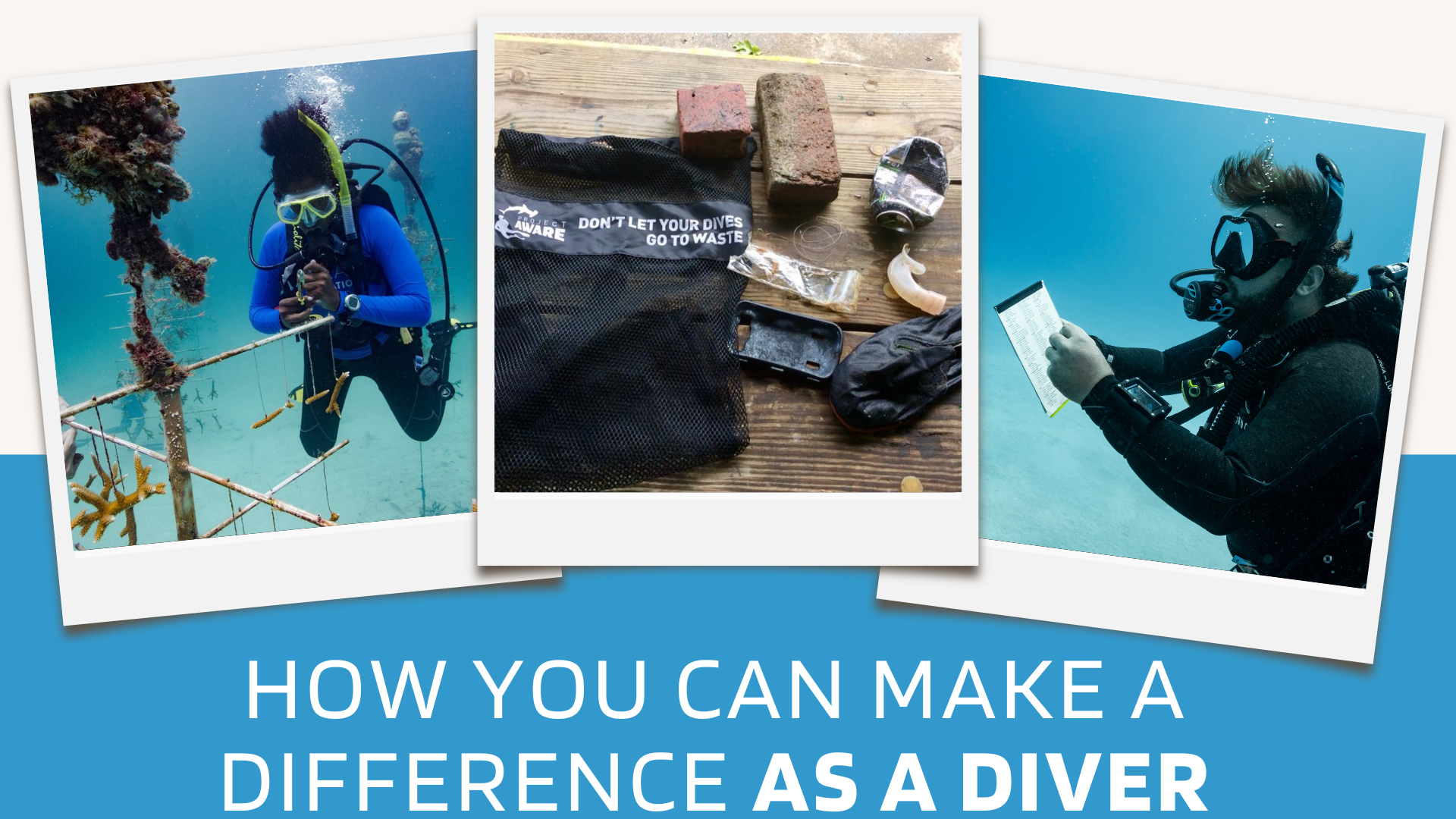
Volunteer Diving Projects: Explore, Contribute, and Protect
Volunteer diving projects give certified divers an opportunity to support marine conservation while learning more about the underwater world. Depending on the program, volunteers may help monitor reefs, document marine life, remove debris, or contribute to research. The best projects pair meaningful work with careful training, responsible dive practices, and clear environmental goals.
What Volunteer Divers Do
Activities vary by location and project. Common examples include:
- Reef monitoring: Recording coral condition, fish populations, or other indicators of reef health.
- Marine-life surveys: Photographing or logging sightings to help researchers track species and changes over time.
- Debris removal: Collecting suitable underwater litter under a project’s safety procedures and local regulations.
- Habitat restoration: Assisting trained teams with carefully planned restoration work, such as coral nurseries or seagrass projects.
- Community education: Supporting shoreline events or sharing conservation information with local residents and visitors.
Not every project involves diving every day. Some programs include classroom sessions, equipment preparation, data entry, beach surveys, or community activities. These tasks can be just as important as time underwater.
Choosing a Responsible Project
Before signing up, look for a project that explains its purpose, methods, and expected outcomes. Ask who oversees the work, how data is used, and whether local scientists, conservation groups, or communities are involved. A credible program should be transparent about costs, accommodations, training, and what volunteers can realistically accomplish.
Environmental safeguards matter, too. Responsible projects prioritize the health of the habitat over photo opportunities or visitor experiences. They should teach buoyancy control and low-impact diving, avoid handling wildlife, and follow local rules for protected areas. Restoration work should be guided by qualified experts rather than improvised by inexperienced volunteers.
Training and Safety
Most underwater projects require an appropriate scuba certification and recent diving experience. Requirements differ, so check them carefully before booking. Some programs offer training, but an introductory course does not automatically qualify someone for research or restoration tasks.
Ask about dive briefings, buddy procedures, emergency plans, access to first aid and oxygen, equipment checks, and the qualifications of dive leaders. Volunteers should be honest about their experience and health, follow the dive plan, and feel comfortable declining a task or dive that seems unsafe. Never exceed personal training or certification limits.
How to Prepare
Preparation starts before arrival. Confirm required certifications, medical forms, insurance, and any local permits. Find out what equipment is provided and what you should bring. A logbook, reusable water bottle, reef-safe sun protection, and practical clothing may be useful, depending on the location and program.
It also helps to learn about the local ecosystem and community. Respect local customs, listen to project staff, and be willing to do work above water. Conservation depends on long-term relationships and careful observation—not just the number of dives completed.
Making Your Contribution Count
Volunteers are most helpful when they follow established methods and record information accurately. A single dive may feel small, but consistent observations collected over time can help identify trends and guide conservation decisions. If a project includes data collection, take the time to learn the protocol and ask questions when something is unclear.
Volunteer diving is not a substitute for professional research or long-term environmental protection. It can, however, support those efforts when projects are locally grounded, scientifically informed, and designed to minimize harm. With realistic expectations and a commitment to safety, volunteers can contribute useful work while gaining a deeper appreciation for the ocean.
Before You Sign Up
- What specific conservation goal will the project support?
- Who leads the work, and what experience do they have?
- What certifications and recent dive experience are required?
- How does the project protect wildlife and habitat?
- How are volunteer fees used, and what is included?
- What happens if weather or conditions prevent diving?
A thoughtful choice benefits both the volunteer and the place they visit. By selecting a responsible program and diving with care, volunteers can help support healthier marine environments—one well-planned project at a time.
9 Essential Tips for Choosing and Preparing for Volunteer Diving Projects
- Choose a project with clear conservation goals.
- Check the organizer’s safety record.
- Bring proof of diving certification.
- Get a medical clearance if required.
- Use reef-safe sunscreen or sun-protective clothing.
- Follow local wildlife and habitat rules.
- Avoid touching or disturbing marine life.
- Pack reusable gear and essentials.
- Ask how project results will be shared.
Choose a project with clear conservation goals.
Choose a volunteer diving project with clear, specific conservation goals so you understand how your time and effort will help. Look for programs that explain what they’re working to protect, what volunteers will do, and how the results will be measured or shared. A well-defined purpose helps ensure the project’s activities support local conservation needs and make a meaningful contribution to the marine environment.
Check the organizer’s safety record.
Before joining a volunteer diving project, check the organizer’s safety record and procedures. Ask about dive leader qualifications, emergency plans, first-aid and oxygen availability, equipment maintenance, and how the team responds to changing weather or sea conditions. A responsible organizer will answer clearly, follow recognized diving standards, and put participant and environmental safety ahead of completing a task.
Bring proof of diving certification.
Bring proof of your diving certification when joining a volunteer diving project. Staff may need to verify that your training matches the planned dives, and some locations require documentation before allowing you to dive. Pack your certification card or have a recognized digital version ready, along with your logbook if the program asks for evidence of recent experience.
Get a medical clearance if required.
Before joining a volunteer diving project, check whether the program or local regulations require medical clearance. A healthcare professional can assess whether you’re fit to dive and identify any conditions that may need attention. Complete any required forms well in advance, and be honest about your medical history so the project team can help ensure your dives are safe.
Use reef-safe sunscreen or sun-protective clothing.
Protect yourself from the sun without adding unnecessary stress to marine life. Choose sun-protective clothing, such as a rash guard and hat, to reduce how much sunscreen you need, and select a sunscreen labeled reef-safe. Since “reef-safe” is not a standardized guarantee, check the ingredients and follow local guidance. Apply sunscreen as directed, and avoid touching or disturbing coral and other wildlife.
Follow local wildlife and habitat rules.
Follow all local rules for interacting with wildlife and protecting marine habitats. These guidelines may limit where you can dive, what you can touch or collect, and how close you may approach animals. Respecting them helps prevent stress and damage, protects sensitive ecosystems, and ensures your volunteer work supports—not disrupts—local conservation efforts.
Avoid touching or disturbing marine life.
When volunteering underwater, observe marine life without touching, chasing, feeding, or moving it. Even brief contact can damage delicate corals, stress animals, or disrupt their natural behavior. Keep a respectful distance, maintain good buoyancy, and follow your dive leader’s guidance to help protect the habitat you came to support.
Pack reusable gear and essentials.
Pack reusable gear and essentials to reduce waste and make your volunteer diving trip more comfortable. Bring items such as a refillable water bottle, reusable utensils, a dry bag, and reef-safe sun protection, along with personal dive gear you know fits well. Check with the project in advance about what equipment is provided, and label your belongings to avoid mix-ups.
Ask how project results will be shared.
Before joining a volunteer diving project, ask how its findings will be shared and who will be able to use them. Responsible programs explain whether observations will be included in research, conservation reports, public databases, or community updates. Clear reporting helps ensure that volunteer effort contributes to useful, lasting work—and lets you understand what your participation supports.