
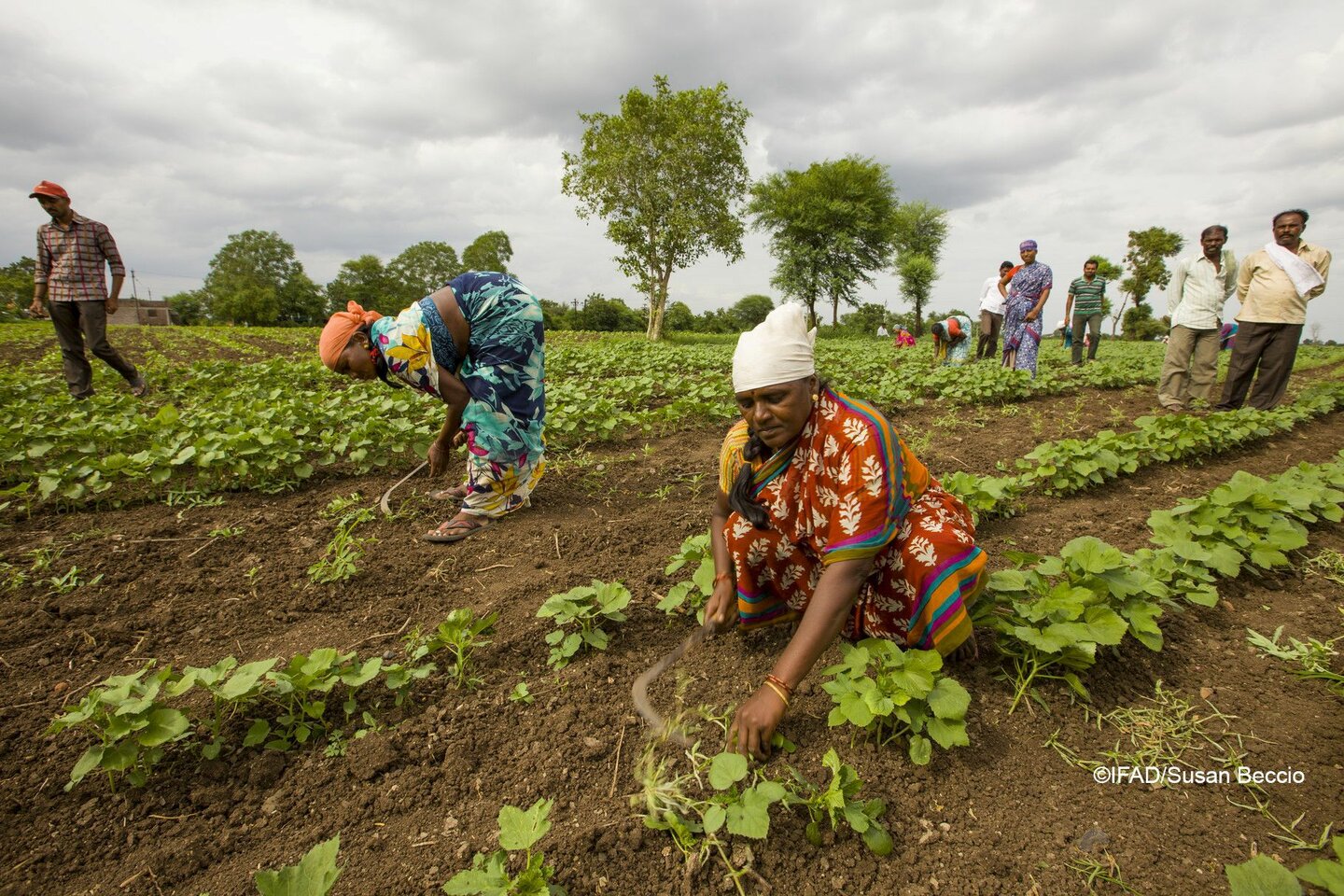
Sustainable Rural Development: Building Stronger Communities for the Future
Rural communities are essential to food production, natural resource stewardship, cultural life, and regional economies. Yet many face challenges such as limited access to health care and education, aging infrastructure, fewer job opportunities, and the effects of climate change. Sustainable rural development addresses these needs while protecting the natural and cultural assets that make rural places distinctive.
What Is Sustainable Rural Development?
Sustainable rural development is an approach to improving quality of life and economic opportunity in rural areas without undermining the resources future generations will depend on. It brings together three goals: a healthy environment, a resilient local economy, and strong, inclusive communities.
Rather than relying on a single industry or short-term investment, sustainable development supports a range of locally appropriate opportunities. These may include agriculture, forestry, renewable energy, tourism, small businesses, and new forms of remote work. The right mix depends on local priorities, skills, geography, and resources.
Strengthening Local Economies
Rural economies are more resilient when residents and businesses can create value locally. Supporting small businesses, cooperatives, local food networks, and workforce training can help keep income circulating within a community. Access to reliable broadband is also increasingly important, making it easier to learn, work, sell products, and reach customers beyond the region.
Diversification matters, too. A community that depends heavily on one employer, crop, or resource may be vulnerable to market shifts, natural disasters, or changing technology. Encouraging a variety of responsible industries can create more stable employment and open new paths for young people and returning residents.
Protecting Land and Natural Resources
Healthy soil, clean water, forests, grasslands, and wildlife habitat are not only environmental assets; they also support rural livelihoods. Sustainable practices can improve soil health, reduce erosion, conserve water, and help farms and communities adapt to changing weather. Examples include crop rotation, cover cropping, responsible grazing, watershed restoration, and careful forest management.
Renewable energy projects can also contribute to rural development when they are planned with community needs in mind. Local participation, transparent decision-making, and fair distribution of benefits can help ensure that projects complement the landscape and provide lasting value to residents.
Investing in People and Essential Services
Economic opportunity depends on more than jobs. Access to quality schools, health care, affordable housing, transportation, and reliable utilities helps people build secure lives in rural areas. These services can be difficult to provide across large distances, so communities often benefit from regional partnerships, mobile services, telehealth, and shared facilities.
Education and training should reflect local opportunities while preparing residents for a changing economy. Partnerships among schools, employers, colleges, and community organizations can connect people with practical skills in fields such as sustainable agriculture, health care, construction, clean energy, and business management.
Planning with the Community
Sustainable development works best when residents help shape it. Local knowledge can reveal which resources need protection, what services are missing, and which investments are most likely to succeed. Inclusive planning should make space for farmers, business owners, young people, Indigenous communities, longtime residents, and others whose lives are affected by proposed changes.
Meaningful participation requires clear information and opportunities to influence decisions—not simply a chance to comment after plans have already been made. Strong local partnerships can also connect communities with funding, technical expertise, and wider networks while keeping decision-making grounded in local priorities.
Preparing for Change
Rural areas face many forms of change, from droughts and floods to shifts in technology, population, and markets. Resilience grows when communities assess risks, protect critical infrastructure, maintain emergency plans, and diversify their sources of income and energy. Small, steady improvements can make a significant difference over time.
Progress should be measured broadly. In addition to jobs and income, communities can track access to services, housing affordability, water quality, soil health, local business growth, and residents’ sense of belonging. These measures help show whether development is improving everyday life while safeguarding resources.
A Future Rooted in Local Strength
Sustainable rural development is not a one-size-fits-all formula. It is a long-term process shaped by local strengths, shared priorities, and careful stewardship. By investing in people, supporting diverse livelihoods, protecting natural resources, and giving residents a meaningful role in decisions, rural communities can build a future that is both prosperous and resilient.
6 Essential Tips for Promoting Sustainable Rural Development
- Support local farms and food businesses.
- Invest in reliable broadband access.
- Protect forests, wetlands, and waterways.
- Expand renewable energy and energy efficiency.
- Create job training tied to local needs.
- Include residents in planning decisions.
Support local farms and food businesses.
Supporting local farms and food businesses helps keep money circulating within the community while creating jobs and strengthening connections between producers and residents. Buying from nearby farms, farmers’ markets, food co-ops, and local processors can also reduce the distance food travels and give small businesses a more reliable customer base. Communities can further support local food systems by choosing regional products, promoting farm-to-school programs, and investing in shared facilities such as commercial kitchens and storage.
Invest in reliable broadband access.
Reliable broadband is essential to sustainable rural development because it connects residents and businesses to opportunities that distance might otherwise put out of reach. High-speed internet can support remote work, online education, telehealth, local entrepreneurship, and access to wider markets for rural products and services. Investing in dependable, affordable broadband—and ensuring that underserved areas are included—helps communities strengthen their economies, improve access to essential services, and create more reasons for residents to stay and thrive.
Protect forests, wetlands, and waterways.
Protecting forests, wetlands, and waterways is essential to sustainable rural development because these natural areas support wildlife, safeguard clean water, reduce flooding and erosion, and store carbon. Communities can help by conserving sensitive habitats, restoring damaged areas, preventing pollution, and using land and water resources responsibly. These efforts protect local livelihoods—such as farming, fishing, and outdoor recreation—while preserving healthy ecosystems for future generations.
Expand renewable energy and energy efficiency.
Expanding renewable energy and improving energy efficiency can help rural communities lower utility costs, reduce pollution, and build greater energy independence. Locally suitable options—such as solar, wind, small-scale hydropower, or biogas—can create jobs and keep more energy spending within the community. At the same time, weatherizing homes, upgrading equipment, and improving insulation can cut energy use and make buildings more comfortable. Planning these efforts with residents and local businesses helps ensure projects fit community needs and share benefits fairly.
Create job training tied to local needs.
Create job training programs that reflect the needs and opportunities of the local community. Work with employers, schools, farms, and community organizations to identify in-demand skills and design practical courses, apprenticeships, or certifications. Training in areas such as sustainable agriculture, health care, renewable energy, construction, and small-business management can help residents find meaningful work close to home while giving local businesses access to a stronger, more capable workforce.
Include residents in planning decisions.
Including residents in planning decisions helps ensure that rural development reflects the community’s needs, values, and priorities. Farmers, local business owners, Indigenous communities, young people, and longtime residents often bring firsthand knowledge that can improve plans and reveal potential concerns early. Offer clear information and meaningful opportunities for people to contribute before decisions are finalized. When residents help shape development, projects are more likely to earn community trust, share benefits fairly, and support lasting local well-being.