
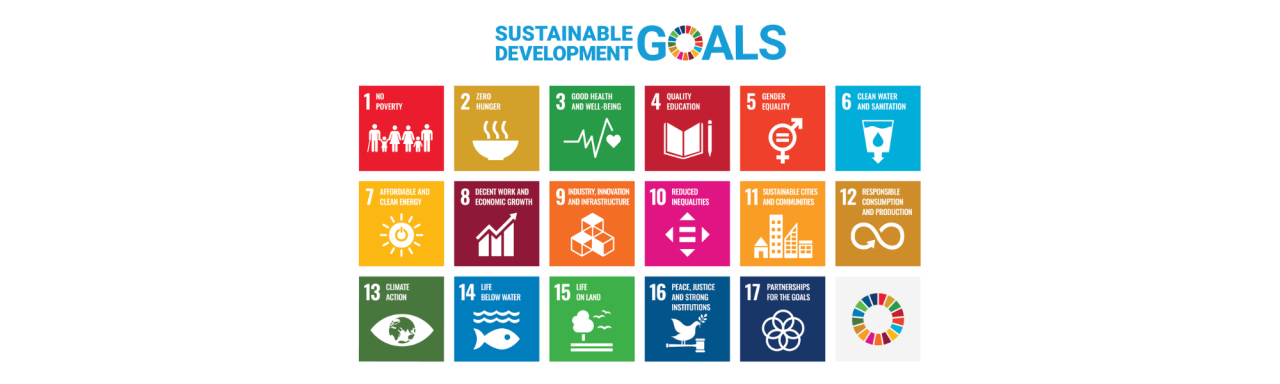
UN Goal 13: Climate Action
Climate change affects communities, economies, and ecosystems around the world. Rising temperatures, shifting rainfall patterns, more frequent heat waves, and other climate-related hazards can threaten food and water supplies, public health, homes, and livelihoods. The United Nations Sustainable Development Goal 13 (SDG 13), known as Climate Action, calls for urgent steps to address climate change and its impacts.
What Is SDG 13?
SDG 13 is one of the 17 Sustainable Development Goals adopted by UN member states in 2015. It focuses on strengthening resilience to climate-related disasters, integrating climate measures into policies and planning, improving education and public awareness, and supporting climate action in countries with fewer resources.
Climate action has two closely connected parts. Mitigation means reducing the greenhouse gas emissions that drive climate change—for example, by using clean energy and improving energy efficiency. Adaptation means preparing for climate impacts that are already happening or are expected, such as protecting coastlines, planning for extreme heat, and developing crops better suited to changing conditions.
Why Climate Action Matters
Climate change can intensify existing challenges, including poverty, food insecurity, displacement, and unequal access to health care. Its effects are not felt equally: people with fewer resources and communities exposed to climate hazards often have less capacity to prepare, recover, and rebuild. Effective climate action can help protect lives while supporting healthier communities and more resilient economies.
Climate solutions can also bring benefits beyond reducing emissions. Cleaner transportation can improve air quality, energy-efficient buildings can lower utility costs, and well-managed natural areas can store carbon while supporting wildlife and reducing some risks from floods and erosion.
Turning Commitments Into Action
Meeting the goals of SDG 13 requires action at every level. Governments can set and enforce emissions targets, invest in clean energy and public transit, improve building standards, and prepare emergency plans for climate-related hazards. Businesses can measure and reduce emissions across their operations and supply chains, while investing in durable, lower-carbon products and services.
Communities can identify local risks and strengthen resilience—for example, by expanding shade and green space in areas vulnerable to extreme heat, improving stormwater systems, or restoring wetlands that help absorb floodwaters. Individuals can contribute by conserving energy, choosing lower-emission transportation when practical, reducing waste, and supporting policies and organizations working on climate solutions. Individual choices matter, but lasting progress also depends on coordinated public and private action.
Climate Action and Global Cooperation
Climate change crosses national borders, so international cooperation is essential. The Paris Agreement provides a framework for countries to work toward limiting global warming and adapting to its effects. SDG 13 also highlights the importance of climate finance, technology, and capacity-building so that developing countries can plan and carry out effective climate measures.
Climate action must be fair as well as ambitious. A just transition considers workers and communities affected by changes in energy and industry, and ensures that the benefits of a cleaner economy are broadly shared. Listening to local communities—including Indigenous peoples and others with deep knowledge of their environments—can also help shape more effective and lasting solutions.
A Shared Responsibility
SDG 13 is a call to move from awareness to action. Reducing emissions, preparing for climate impacts, sharing knowledge, and investing in resilient communities are all part of the work. Progress depends on sustained cooperation among governments, businesses, organizations, and individuals. Every practical step contributes to a safer, healthier, and more sustainable future.
9 Practical Tips for Taking Climate Action: Simple Steps to Make a Difference
- Use public transit, bike, or walk when possible.
- Save energy by turning off unused lights.
- Choose energy-efficient appliances.
- Reduce, reuse, and recycle to cut waste.
- Eat more plant-based meals.
- Avoid single-use plastics.
- Plant native trees and support local green spaces.
- Choose renewable energy if available.
- Support climate-friendly policies and community projects.
Use public transit, bike, or walk when possible.
Choosing public transit, biking, or walking when possible can help reduce transportation-related greenhouse gas emissions and air pollution. These options may also ease traffic and support healthier, more connected communities. Even replacing a few car trips each week with a lower-emission alternative is a practical way to contribute to UN Sustainable Development Goal 13: Climate Action.
Save energy by turning off unused lights.
Turning off lights when they’re not needed is a simple way to save energy and support UN Sustainable Development Goal 13: Climate Action. Using less electricity can help reduce demand for energy produced from fossil fuels, which release greenhouse gases. Make it a habit to switch off lights when leaving a room, and consider using energy-efficient LED bulbs to save even more.
Choose energy-efficient appliances.
Choosing energy-efficient appliances is a practical way to support UN Goal 13: Climate Action. Appliances that use less electricity can help lower household energy use, reduce greenhouse gas emissions from power generation, and save money on utility bills. When shopping, compare the EnergyGuide labels and look for ENERGY STAR® certified models. Replacing an appliance only when needed, using it efficiently, and recycling the old one responsibly can make the choice even more climate-friendly.
Reduce, reuse, and recycle to cut waste.
Reducing, reusing, and recycling helps advance UN Sustainable Development Goal 13: Climate Action by keeping waste out of landfills and lowering the energy and resources needed to make new products. Choose items with less packaging, repair or donate things that are still usable, and sort recyclable materials according to local guidelines. Small, consistent choices can reduce emissions and support a more sustainable community.
Eat more plant-based meals.
Eating more plant-based meals is a simple way to support UN Sustainable Development Goal 13: Climate Action. Producing plant foods often requires fewer resources and can generate fewer greenhouse gas emissions than producing many animal-based foods, though the impact varies by ingredient and how it is produced. Try swapping in beans, lentils, tofu, or vegetables for meat in a few meals each week. Small, practical changes in everyday eating can add up when many people take part.
Avoid single-use plastics.
Avoiding single-use plastics is a simple way to support climate action. Plastic production uses fossil fuels and energy, creating greenhouse gas emissions throughout its life cycle. Choose reusable bags, bottles, cups, and containers when possible, and refuse unnecessary plastic packaging. When reusable options aren’t available, recycling correctly can help keep plastic out of landfills and the environment. Small everyday choices, combined with wider efforts to reduce plastic production and waste, can contribute to a cleaner, lower-emissions future.
Plant native trees and support local green spaces.
Planting native trees and supporting local green spaces are practical ways to contribute to climate action. Native trees are adapted to local conditions, provide habitat and food for wildlife, and can help absorb carbon dioxide as they grow. Parks, community gardens, and other green spaces also offer shade, cool nearby areas, and support healthier, more resilient neighborhoods. Choose species suited to your region, and consider volunteering with a local planting or habitat-restoration project.
Choose renewable energy if available.
Choosing renewable energy, when it’s available, is a practical way to support climate action. Options such as wind, solar, or hydropower can reduce reliance on fossil fuels and lower the greenhouse gas emissions associated with electricity use. Check with your utility provider to see whether it offers a renewable energy plan, or consider installing solar panels if they suit your home and budget.
Support climate-friendly policies and community projects.
Supporting climate-friendly policies and community projects is a practical way to advance UN Sustainable Development Goal 13: Climate Action. Contact elected officials to encourage investments in clean energy, public transportation, energy-efficient buildings, and protections for natural areas. Locally, volunteer with groups restoring habitats, planting trees, preparing neighborhoods for extreme weather, or helping residents reduce energy use. Community-led efforts can address local needs while building resilience and showing decision-makers that climate action matters.