
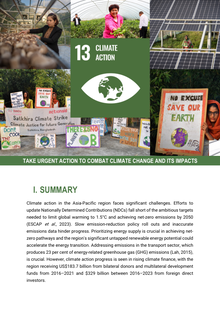
UN Goal 13: Climate Action
Climate change is already affecting communities around the world. Rising temperatures, changing rainfall patterns, melting ice, rising sea levels, and more intense extreme weather can threaten homes, health, food supplies, and natural ecosystems. Because these impacts cross borders and affect people in different ways, addressing climate change requires cooperation at every level—from individuals and local communities to governments and businesses.
United Nations Sustainable Development Goal 13, known as Climate Action, calls for urgent action to combat climate change and its impacts. It is part of the UN’s 2030 Agenda for Sustainable Development, a shared framework for improving lives while protecting the planet.
What Does Goal 13 Aim to Achieve?
Goal 13 focuses on reducing climate-related risks and strengthening the ability of people and institutions to respond. Its targets include improving resilience to climate hazards and natural disasters, incorporating climate measures into national policies and planning, and expanding education and public awareness. The goal also recognizes the importance of financial and technical support, particularly for developing countries that face serious climate risks but may have fewer resources to respond.
Climate action includes both mitigation and adaptation. Mitigation means reducing the greenhouse gas emissions that drive climate change—for example, by using clean energy and improving energy efficiency. Adaptation means preparing for climate impacts that are already happening or expected, such as protecting communities from flooding or developing crops that can withstand drought.
Why Climate Action Matters
Climate change can worsen existing challenges, including poverty, food insecurity, health risks, and unequal access to resources. The effects are not felt equally: people with fewer resources, including some coastal communities, Indigenous peoples, outdoor workers, and residents of areas prone to heat or flooding, may face greater risks and have fewer options for recovery.
Taking action can also bring immediate benefits. Cleaner transportation and energy can reduce air pollution. Energy-efficient buildings can lower utility costs. Restored wetlands and forests can store carbon while supporting wildlife and helping reduce flood risks. Well-planned climate policies can protect public health, strengthen local economies, and make communities safer.
Climate Action in Practice
Governments can set emissions targets, invest in public transit and clean energy, improve building standards, protect natural areas, and prepare for hazards such as heat waves, wildfires, and floods. Businesses can measure and reduce emissions across their operations and supply chains, while designing products and services that use resources more efficiently.
Communities can identify local climate risks and develop plans that reflect residents’ needs. Examples include creating cooling centers during extreme heat, improving drainage in flood-prone neighborhoods, planting trees for shade, and strengthening emergency warning systems. Effective planning is most successful when the people most affected have a meaningful role in decision-making.
How Individuals Can Contribute
Individual choices alone cannot solve climate change, but they can support broader progress and help build demand for effective action. People can consider walking, biking, carpooling, or using public transportation when practical; reduce wasted energy at home; choose durable goods; and cut food waste. Supporting local climate initiatives and asking elected officials and organizations for clear, evidence-based climate plans can also make a difference.
It is important to recognize that people have different choices and resources. Climate action should not place an unfair burden on households that have contributed least to the problem or have the fewest options. Policies and programs should make cleaner, safer alternatives accessible and affordable.
A Shared Responsibility
UN Goal 13 is a reminder that climate action is not a separate issue from development, health, or economic security. It is closely connected to goals such as affordable and clean energy, sustainable cities, responsible consumption, and the protection of life on land and in the ocean. Progress depends on coordinated efforts, reliable information, sustained investment, and attention to fairness.
The climate challenge is significant, but practical solutions are available. By reducing emissions, preparing for climate impacts, sharing knowledge, and ensuring that communities can participate in decisions, societies can protect people and ecosystems while building a more resilient future.
Understanding UN Sustainable Development Goal 13: Key Questions on Climate Action and How Everyone Can Contribute
- What is UN Sustainable Development Goal 13
- Why is climate action important?
- What are the main targets of SDG 13?
- How can individuals take action on climate change?
- How can governments and businesses help achieve Goal 13?
What is UN Sustainable Development Goal 13
UN Sustainable Development Goal 13, or SDG 13, is the global call for urgent action to combat climate change and its impacts. It encourages countries to strengthen resilience to climate-related hazards, include climate measures in policies and planning, improve education and public awareness, and support climate action—especially in developing countries. The goal recognizes that addressing climate change requires both reducing greenhouse gas emissions and preparing communities for impacts such as extreme heat, droughts, floods, and rising sea levels.
Why is climate action important?
Climate action is important because climate change affects people, communities, and ecosystems through rising temperatures, extreme weather, sea-level rise, and disruptions to food and water supplies. These impacts can threaten health, homes, livelihoods, and biodiversity, often placing the greatest burden on people with the fewest resources. Reducing greenhouse gas emissions and preparing for climate-related risks can help limit future harm, protect vulnerable communities, and support a safer, healthier, and more resilient future.
What are the main targets of SDG 13?
The main targets of UN Sustainable Development Goal 13 are to strengthen resilience to climate-related hazards and natural disasters; include climate action in national policies, strategies, and planning; improve education, awareness, and institutional capacity on climate change mitigation, adaptation, impact reduction, and early warning; and support developing countries—especially those most vulnerable—through climate finance and capacity-building. SDG 13 also encourages effective planning and management in least developed countries and small island developing states, with attention to women, youth, and local and marginalized communities.
How can individuals take action on climate change?
Individuals can help address climate change by making practical choices and supporting broader community efforts. When possible, walk, bike, carpool, or use public transportation; save energy at home; choose reusable and durable products; and reduce food waste. People can also support local climate initiatives, learn from reliable sources, and encourage businesses and elected officials to adopt effective climate plans. Individual actions matter most when paired with policies and systemic changes that make low-carbon choices accessible to everyone.
How can governments and businesses help achieve Goal 13?
Governments can help achieve UN Goal 13 by setting and enforcing emissions targets, investing in clean energy and public transportation, preparing communities for climate hazards, and including climate considerations in planning and public policy. Businesses can reduce emissions across their operations and supply chains, improve energy efficiency, use resources responsibly, and report their climate impacts transparently. Both can support climate research, education, and solutions that protect workers and communities—especially those most vulnerable to climate change.