
UN Action on Climate Change
Climate change is a global challenge that affects people, economies, and ecosystems around the world. Because greenhouse gas emissions cross national borders, addressing the crisis requires cooperation among countries. The United Nations helps bring governments together to set shared goals, negotiate agreements, support climate action, and help vulnerable communities prepare for changing conditions.
A Framework for Global Cooperation
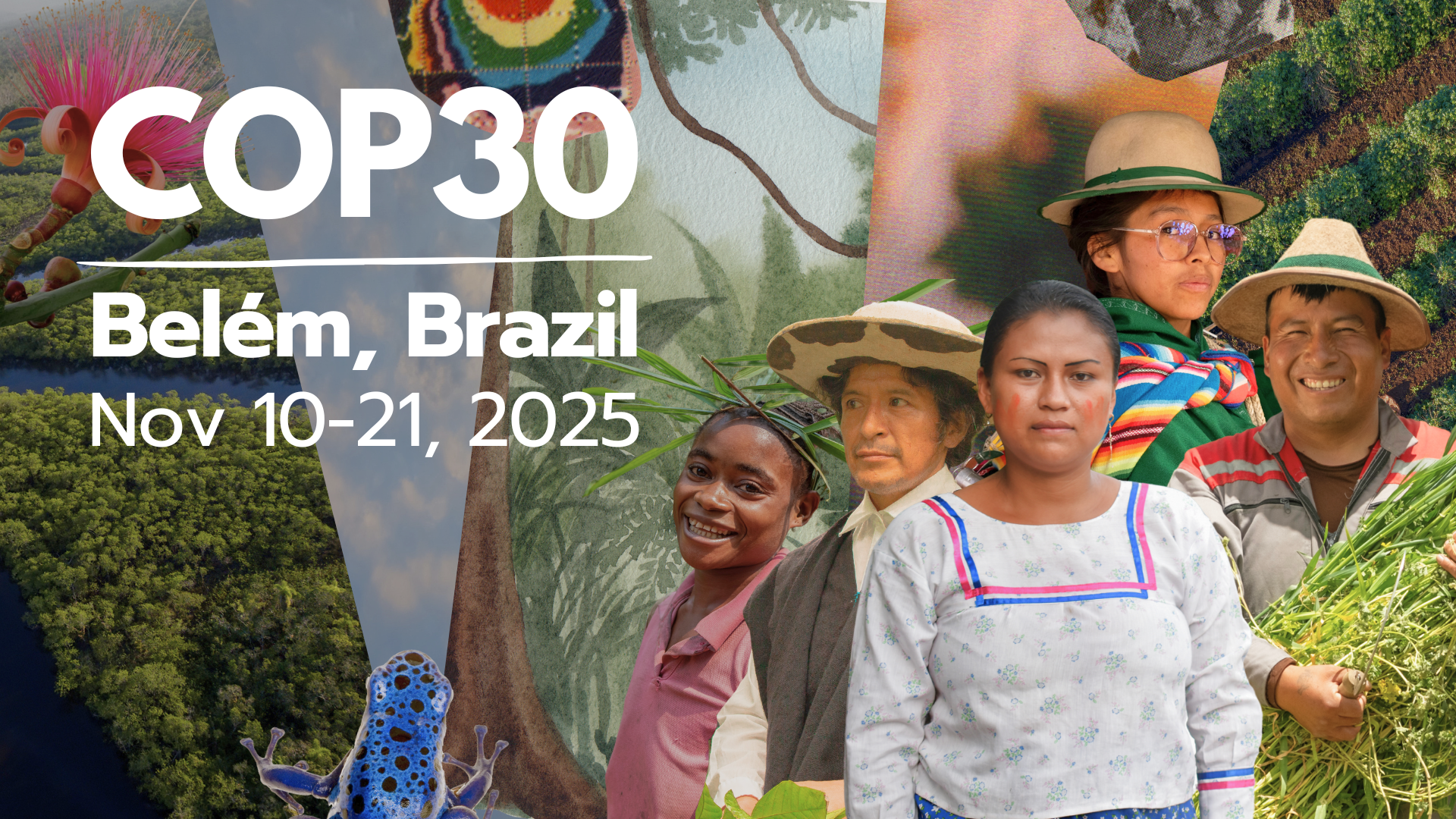
The United Nations Framework Convention on Climate Change (UNFCCC), adopted in 1992, provides the foundation for international climate negotiations. Nearly every country is a party to the convention. Governments meet regularly at the Conference of the Parties, commonly known as the COP, to review progress and negotiate further action.
One major outcome of these negotiations is the 2015 Paris Agreement. Under the agreement, countries submit national climate plans describing how they intend to reduce emissions and adapt to climate impacts. The shared goal is to hold the increase in global average temperature to well below 2°C above preindustrial levels and pursue efforts to limit it to 1.5°C. Countries are expected to update their plans over time and report on their progress.
Reducing Emissions and Expanding Clean Energy
UN agencies and programs support efforts to reduce the greenhouse gas emissions that drive climate change. This work includes encouraging energy efficiency, expanding access to renewable energy, protecting forests, improving transportation, and reducing methane emissions. The UN also promotes sustainable development—approaches that can improve people’s lives while reducing pressure on the environment.
Many of these changes depend on national policies, local leadership, business investment, and community participation. The UN can help coordinate action and share expertise, but governments and other organizations are responsible for putting many commitments into practice.
Helping Communities Adapt
Even with strong emissions reductions, climate impacts are already being felt. Extreme heat, drought, floods, wildfires, and rising sea levels can threaten homes, health, food supplies, and livelihoods. Adaptation means preparing for these risks and reducing harm.
UN-supported adaptation efforts may include improving early-warning systems, planning for floods and heat waves, developing climate-resilient agriculture, strengthening public health services, and protecting ecosystems that help buffer communities from hazards. These measures are especially important for people and countries with limited resources to respond to disasters.
Climate Finance and Loss and Damage
Climate action requires substantial funding. Climate finance can help countries invest in cleaner energy, adapt infrastructure, protect communities, and build resilience. A continuing focus in international negotiations is how to mobilize adequate, accessible, and predictable funding, particularly for developing countries.
Some climate impacts cannot be avoided through adaptation alone. The UN climate process has therefore addressed “loss and damage”—the harms caused by climate-related events and longer-term changes. International discussions have led to arrangements intended to help vulnerable countries respond to these losses. Turning commitments into timely, effective support remains an important challenge.
Tracking Progress and Closing the Gap
Agreements and national plans are important, but their impact depends on implementation. The UN climate process provides ways for countries to report on their actions and review collective progress. Scientific assessments, including those produced by the Intergovernmental Panel on Climate Change, help inform negotiations by examining climate risks and potential responses.
Global emissions and climate risks remain a serious concern. Meeting the goals of the Paris Agreement requires faster action, stronger policies, and sustained cooperation. It also requires fair approaches that recognize countries have different capacities and have contributed differently to the problem.
Why UN Climate Action Matters
The United Nations cannot solve climate change on its own. Its role is to create a forum where countries can negotiate common goals, encourage accountability, coordinate support, and work through disagreements. Progress depends on decisions made by governments, businesses, communities, and individuals around the world.
UN climate action is ultimately about protecting people and the natural systems on which life depends. By combining international cooperation with practical action at every level, countries can reduce climate risks and work toward a safer, more sustainable future.
Exploring the United Nations’ Efforts and Initiatives in Combating Climate Change: FAQs
- What are the United Nations’ actions on climate change?
- What is the UN doing against climate change?
- What is the UN Convention for climate change?
- What countries will be too hot to live in by 2050?
- Is action being taken against climate change?
- What is the UN’s Act now climate change campaign?
- What are the UN promises for climate change?
- Is the UN doing anything about climate change?
What are the United Nations’ actions on climate change?
The United Nations supports global climate action by bringing countries together to negotiate agreements, set shared goals, and report on progress. Through the Paris Agreement and the UN Framework Convention on Climate Change, countries coordinate efforts to cut greenhouse gas emissions and limit global warming. The UN also helps advance renewable energy and sustainable development, supports communities adapting to climate impacts, and works to mobilize climate finance for developing countries. While governments lead implementation, the UN provides a forum, guidance, and coordination to strengthen international cooperation.
What is the UN doing against climate change?
The United Nations brings countries together to coordinate global climate action through agreements such as the Paris Agreement, under which nations set and update plans to reduce greenhouse gas emissions. The UN also supports efforts to expand clean energy, protect forests, prepare communities for climate impacts, and provide climate finance to vulnerable countries. Through negotiations, scientific assessments, and progress tracking, it encourages governments to strengthen their commitments and turn them into action.
What is the UN Convention for climate change?
The United Nations Framework Convention on Climate Change (UNFCCC) is an international treaty adopted in 1992 to coordinate global efforts to address climate change. It provides a forum for countries to negotiate agreements, share information, and report on their efforts to limit greenhouse gas emissions and adapt to climate impacts. The UNFCCC is the foundation for later climate agreements, including the Kyoto Protocol and the 2015 Paris Agreement.
What countries will be too hot to live in by 2050?
No country can be reliably described as certain to become “too hot to live in” by 2050. However, rising temperatures are expected to make dangerous heat more frequent and intense in parts of South Asia, the Middle East, the Sahel, and other already-hot regions, with outdoor work and daily life becoming increasingly hazardous in some places. The effects will vary within countries and depend on humidity, access to water and cooling, infrastructure, public health, and adaptation. UN climate action focuses on cutting emissions and helping communities prepare for extreme heat, rather than predicting that entire countries will become uninhabitable.
Is action being taken against climate change?
Yes. Governments are taking action through the UN climate process, including the Paris Agreement, under which countries set and update plans to reduce greenhouse gas emissions and prepare for climate impacts. UN agencies also support renewable energy, forest protection, climate-resilient communities, and funding for adaptation and recovery. However, current efforts are not yet sufficient to meet global climate goals, so faster implementation and stronger commitments are still needed.
What is the UN’s Act now climate change campaign?
The UN’s ActNow campaign encourages people to take practical steps in their daily lives to help address climate change and support the Sustainable Development Goals. Through its website and related resources, the campaign shares ideas such as saving energy, choosing lower-emission transportation, reducing food waste, and making more sustainable purchasing decisions. Individual actions cannot replace the large-scale policy and industry changes needed to cut emissions, but they can help build awareness, influence demand, and encourage wider climate action.
What are the UN promises for climate change?
The UN’s central climate commitment is to support countries in limiting global warming to well below 2°C above preindustrial levels while pursuing efforts to keep it to 1.5°C, as set out in the Paris Agreement. Countries submit and strengthen national climate plans to cut greenhouse gas emissions, adapt to climate impacts, and report on progress. UN climate agreements also include commitments to support developing countries with climate finance, technology, and capacity-building, though the amount and delivery of that support remain subjects of ongoing negotiations. The UN coordinates these efforts, but governments are responsible for carrying out their own pledges.
Is the UN doing anything about climate change?
Yes. The United Nations brings countries together to negotiate climate agreements, set shared goals, and report on progress. Through the Paris Agreement and the UN climate process, countries submit plans to cut greenhouse gas emissions and adapt to climate impacts. UN agencies also support efforts such as expanding clean energy, protecting forests, strengthening disaster preparedness, and helping vulnerable communities access climate finance. The UN cannot enforce every national commitment on its own, so results depend on governments and other partners putting their plans into action.