
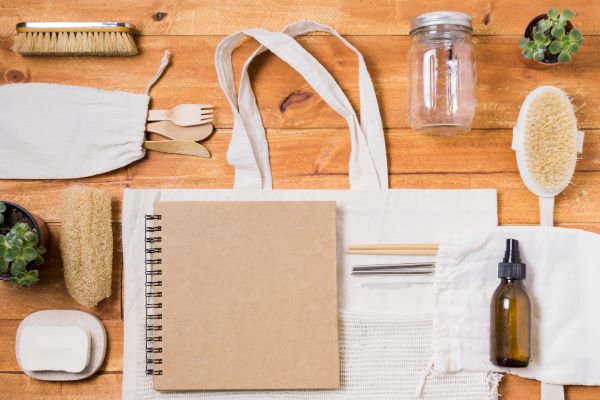
Sustainable Lifestyle Products: Making Thoughtful Choices Every Day
Sustainable lifestyle products are designed, made, and used with consideration for their environmental and social impacts. They can help reduce waste, conserve resources, and support more responsible production. But choosing sustainable products isn’t simply about replacing everything at home with something labeled “green.” Often, the most sustainable choice is to use what you already own for longer, repair it when possible, and buy new items only when you need them.
What Makes a Product Sustainable?
No product is impact-free. Its footprint can include the materials used to make it, the energy and water required during production, how far it travels, how long it lasts, and what happens when it is no longer useful. A product may be a more sustainable option when it is durable, reusable, repairable, made with responsibly sourced materials, and designed to be recycled or composted where those services are available.
Packaging and labor practices matter, too. Looking beyond a single claim can provide a fuller picture of a product’s impact. Clear information about ingredients, materials, sourcing, and end-of-life options is generally more helpful than vague language such as “eco-friendly.”
Everyday Products to Consider
- Reusable household items: Cloth shopping bags, refillable water bottles, food containers, and washable cleaning cloths can replace some disposable products when used regularly.
- Lower-waste personal care: Bar soap, refillable toiletries, and products with minimal packaging may reduce packaging waste. Choose products that suit your needs and are safe for your skin and health.
- Energy-efficient home goods: LED bulbs and efficient appliances can use less energy during operation. Check product specifications and compare models before purchasing.
- Durable clothing and accessories: Well-made garments that can be worn often, repaired, and cared for properly can be a better choice than frequently replacing lower-quality items.
- Responsibly sourced materials: Look for credible information about materials such as recycled content, certified wood, or organic fibers, while considering how the product is made and how long it will last.
Look for Evidence, Not Just Labels
Terms such as “natural,” “green,” and “earth-friendly” do not always have a consistent meaning. When possible, look for specific details: What materials are used? Is the product designed to last? Can it be repaired? Are environmental claims explained and supported? Independent certifications can offer useful guidance, but it helps to understand what each certification covers.
Also consider local disposal options. A package labeled recyclable may not be accepted by your local recycling program, and compostable products often require specific composting facilities. Check local guidance before relying on a product’s end-of-life claims.
Buy Less, Use Longer
Shopping for sustainable products can be useful, but buying less is often an important part of reducing consumption. Before making a purchase, consider whether you can borrow, buy secondhand, repair an existing item, or choose a product that serves more than one purpose. When you do need something new, prioritize quality, practicality, and longevity over trends.
Small choices can add up when they become everyday habits. Refill a container, mend a favorite garment, maintain household appliances, or pass usable items along instead of discarding them. Sustainable living does not require perfection; it is a process of making more informed choices over time.
A Practical Approach
The best sustainable lifestyle product is one that genuinely meets your needs, is used consistently, and lasts. By looking at a product’s full life cycle—not just its packaging or marketing—you can make choices that are more thoughtful and avoid unnecessary purchases. A durable item used for years may have a greater benefit than a collection of “green” products that quickly go unused.
Your Guide to Sustainable Lifestyle Products: Answers to 7 Common Questions
- What are sustainable lifestyle products?
- How can I tell whether a product is truly sustainable?
- Are sustainable products more expensive than conventional products?
- Which sustainable products are most useful for everyday life?
- Are reusable products always better for the environment than disposable ones?
- How should I dispose of or recycle sustainable products?
- How can I make more sustainable purchases without buying unnecessary products?
What are sustainable lifestyle products?
Sustainable lifestyle products are everyday items designed to reduce environmental and social impacts throughout their life cycle—from the materials and manufacturing processes used to make them to how long they last and what happens when they’re no longer needed. Examples include durable, reusable, repairable, or responsibly sourced products, such as refillable bottles, energy-efficient appliances, and clothing made to last. Since labels like “green” or “eco-friendly” can be vague, look for clear information about a product’s materials, durability, sourcing, and disposal options.
How can I tell whether a product is truly sustainable?
Look beyond labels like “green” or “eco-friendly,” which can be vague, and check for specific, verifiable information about a product’s materials, sourcing, manufacturing, packaging, durability, and end-of-life options. Credible third-party certifications may help, but review what each one actually covers. Consider whether the product is repairable, reusable, or made to last, and check whether recycling or composting options are available where you live. No product is impact-free, so compare the full life cycle—and remember that using what you already own or buying less can often be the most sustainable choice.
Are sustainable products more expensive than conventional products?
Sustainable products can sometimes cost more upfront because they may use higher-quality materials, responsible production methods, or fairer labor practices. However, price varies by product, and options such as buying secondhand, choosing durable goods, or refilling reusable items can make sustainable choices more affordable. A longer-lasting product may also save money over time by needing fewer replacements, so it helps to compare both the initial cost and how long the item is likely to serve you.
Which sustainable products are most useful for everyday life?
The most useful sustainable products are practical items you’ll use regularly, such as a reusable water bottle, durable shopping bags, food containers, refillable personal-care products, and washable cleaning cloths. Energy-efficient LED bulbs and long-lasting, repairable household goods can also help reduce resource use over time. The best choices depend on your routines: start with disposable items you frequently replace, and choose durable alternatives that are easy to maintain and reuse.
Are reusable products always better for the environment than disposable ones?
Reusable products aren’t always better for the environment; their impact depends on what they’re made from, how they’re produced, and how often they’re reused. For example, a reusable bottle or bag may require more resources to manufacture than a disposable one, so it needs to be used many times to make up the difference. To get the most benefit, choose durable products that meet your needs, use them regularly, and care for them so they last. Also consider local recycling and disposal options, since the best choice can vary by product and location.
How should I dispose of or recycle sustainable products?
Dispose of sustainable products according to the instructions on their labels and the rules of your local waste or recycling program, since accepted materials vary by location. Reuse or repair items when possible, and donate or pass along products that are still in good condition. Check whether packaging is recyclable locally, and don’t put compostable products in a home compost bin unless they’re suitable for it—some require commercial composting facilities. When in doubt, contact your local waste authority or the manufacturer for guidance.
How can I make more sustainable purchases without buying unnecessary products?
Make more sustainable purchases by starting with what you already own: repair, reuse, or borrow items before replacing them, and buy only when you have a genuine need. When a purchase is necessary, choose a durable product that suits your needs, can be maintained or repaired, and has clear information about its materials and production. Buying secondhand, comparing options, and avoiding impulse purchases can also reduce waste and save money.