
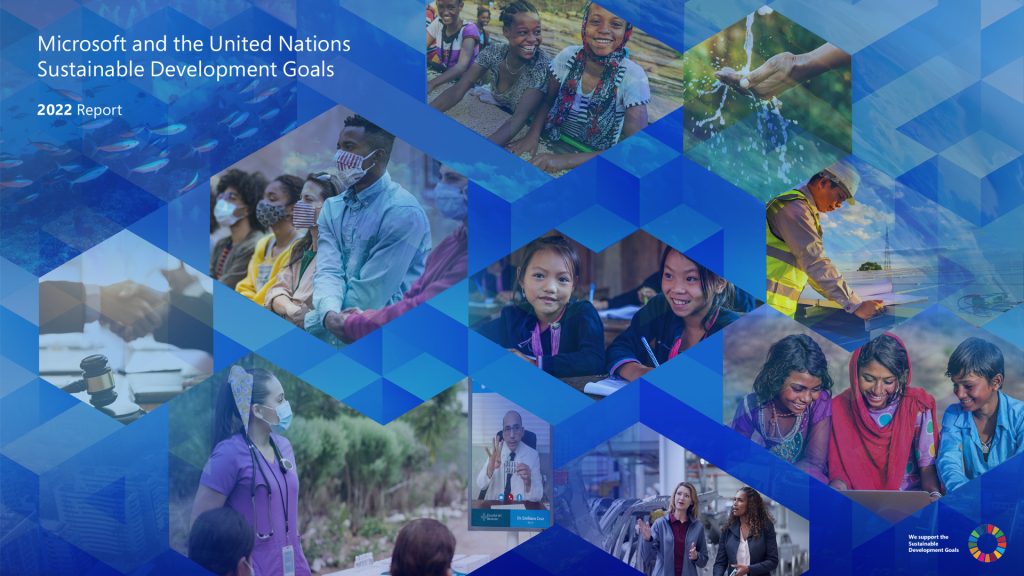
UN Sustainable Development Goals in 2022: Progress, Setbacks, and Priorities
The United Nations Sustainable Development Goals (SDGs) are a shared plan for improving people’s lives and protecting the planet. Adopted by all UN Member States in 2015 as part of the 2030 Agenda for Sustainable Development, the 17 goals address challenges ranging from poverty and hunger to climate change, education, health, and peace.
By 2022, the world was facing a series of overlapping crises. The COVID-19 pandemic, armed conflict, rising costs of food and energy, and worsening climate impacts had disrupted progress toward many of the goals. The UN’s 2022 assessment warned that the world was not on track to achieve the SDGs by 2030 without faster, more coordinated action.
What Are the 17 Sustainable Development Goals?
The SDGs are interconnected: progress in one area can support progress in others. The goals are to:
- End poverty
- End hunger and improve nutrition
- Ensure healthy lives and promote well-being
- Provide inclusive and equitable quality education
- Achieve gender equality
- Ensure access to clean water and sanitation
- Provide access to affordable and clean energy
- Promote decent work and sustainable economic growth
- Build resilient infrastructure and encourage innovation
- Reduce inequality within and among countries
- Make cities and communities inclusive, safe, resilient, and sustainable
- Promote responsible consumption and production
- Take urgent action on climate change
- Conserve oceans and marine resources
- Protect terrestrial ecosystems and biodiversity
- Promote peace, justice, and effective institutions
- Strengthen global partnerships for sustainable development
How Crises Affected Progress in 2022
The pandemic erased or slowed progress in several areas. Job losses and reduced incomes pushed more people into hardship, while disruptions to health services and education affected communities around the world. The UN reported that the pandemic had contributed to a major increase in extreme poverty and had made it harder for many children to access consistent learning.
Food insecurity also worsened. Conflict, economic pressures, supply-chain disruptions, and climate-related shocks contributed to higher food prices and greater difficulty accessing nutritious food. Russia’s invasion of Ukraine added further pressure to global food, fuel, and fertilizer markets, with particularly serious consequences for countries that rely heavily on imports.
At the same time, climate change continued to intensify risks. Heat waves, droughts, floods, wildfires, and other extreme events threatened homes, livelihoods, food systems, and ecosystems. Although many countries had made climate commitments, the scale and pace of action remained insufficient to meet the goals of the Paris Agreement.
Why the Goals Are Connected
The SDGs are designed to be pursued together. For example, access to clean energy can improve health, support education, and create economic opportunities. Protecting forests and water sources can strengthen food security and help communities adapt to climate change. Reducing inequality can also make it easier for people to benefit from education, health care, and decent work.
This connected approach matters because a response to one challenge can affect others. Economic development, for instance, needs to be balanced with responsible use of natural resources. Similarly, climate policies are more effective when they consider jobs, affordability, and the needs of communities most at risk.
Priorities for Getting Back on Track
The 2022 outlook underscored the need for urgent action and stronger international cooperation. Key priorities included expanding access to health care and education, improving social protection, supporting sustainable food systems, accelerating the transition to clean energy, and increasing investment in climate resilience.
Financing was another central issue. Many developing countries faced limited resources and rising debt costs, making it harder to invest in essential services and sustainable infrastructure. International partnerships, responsible public and private investment, and fair access to financing were therefore important to advancing the goals.
What Governments, Businesses, and Individuals Can Do
Governments can align budgets and policies with the SDGs, strengthen public services, and use reliable data to identify where progress is lagging. Businesses can reduce emissions, improve working conditions, use resources more efficiently, and report transparently on their social and environmental impacts. Communities and individuals can support local initiatives, make informed choices, and call for policies that promote fairness and sustainability.
The Road to 2030
The SDGs remain a useful framework for addressing global challenges, but their success depends on turning commitments into measurable action. The 2022 assessment made clear that progress was uneven and that recent crises had widened existing gaps. With 2030 approaching, accelerating implementation and directing support to the people and places facing the greatest barriers are essential.
The goals are ambitious, but they offer a practical shared agenda: reduce poverty and inequality, protect the natural systems people depend on, and build societies where everyone has the opportunity to live a healthy and dignified life.
Understanding the 2022 UN Sustainable Development Goals: Key FAQs and Progress Updates
- Which are the 17 sustainable development goals?
- What is the SDG progress chart 2022?
- What is the current status of the SDG goals?
- What is the UN’s new sustainable development goal by 2030?
Which are the 17 sustainable development goals?
The 17 United Nations Sustainable Development Goals are: No Poverty; Zero Hunger; Good Health and Well-Being; Quality Education; Gender Equality; Clean Water and Sanitation; Affordable and Clean Energy; Decent Work and Economic Growth; Industry, Innovation and Infrastructure; Reduced Inequalities; Sustainable Cities and Communities; Responsible Consumption and Production; Climate Action; Life Below Water; Life on Land; Peace, Justice and Strong Institutions; and Partnerships for the Goals. Adopted in 2015, they form a shared global agenda for improving people’s lives and protecting the planet by 2030.
What is the SDG progress chart 2022?
The SDG Progress Chart 2022 is a visual summary of how the world was progressing toward the United Nations’ 17 Sustainable Development Goals. Using available global data, it shows the status and direction of progress across goals and targets, helping readers identify areas advancing, stagnating, or moving backward. The chart accompanied the UN’s 2022 progress assessment, which highlighted that the pandemic and other global crises had slowed progress and that stronger, faster action was needed to meet the 2030 targets.
What is the current status of the SDG goals?
As of 2022, the UN Sustainable Development Goals were significantly off track for their 2030 deadline. Progress had been set back by the COVID-19 pandemic, conflict, rising food and energy costs, and worsening climate impacts, with poverty, hunger, education, and health among the areas facing major challenges. Some advances continued, but the UN emphasized that faster action, stronger international cooperation, and increased funding were needed to make meaningful progress toward all 17 goals.
What is the UN’s new sustainable development goal by 2030?
The UN did not introduce a new Sustainable Development Goal for 2030. Instead, in 2015, member states adopted the 2030 Agenda, which includes 17 Sustainable Development Goals (SDGs) to address challenges such as poverty, health, education, inequality, and climate change. The aim is to make substantial progress on all 17 goals by 2030, while recognizing that they are interconnected and require action from governments, businesses, communities, and individuals.