
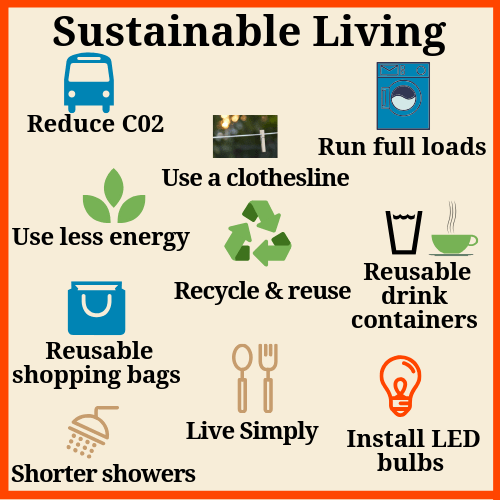
Sustainable Ways of Living: Small Choices, Lasting Impact
Sustainable living means making everyday choices that use resources thoughtfully and reduce harm to the environment. It does not require a perfect lifestyle or a complete overhaul overnight. Practical changes—especially when adopted by many people—can help conserve energy and water, reduce waste, and support healthier communities.
Use Less Energy at Home
Home energy use is a good place to start. Turn off lights and electronics when they are not in use, choose energy-efficient appliances when it is time to replace them, and use a programmable thermostat to avoid heating or cooling an empty home. Sealing drafts and adding insulation can also improve comfort while reducing energy consumption.
Where available, consider choosing electricity from renewable sources through a utility program or a community energy provider. Even simple habits, such as washing clothes in cold water and air-drying laundry when practical, can make a difference over time.
Choose Lower-Impact Transportation
Transportation choices affect both air quality and greenhouse gas emissions. Walking, biking, taking public transportation, and carpooling can reduce the number of individual car trips. Combining errands into one outing and working remotely when possible can also cut down on travel.
If driving is necessary, keeping tires properly inflated and maintaining the vehicle can help it use fuel more efficiently. When shopping for a replacement car, compare fuel-efficient and electric options based on your budget, driving needs, and local charging access.
Eat with the Planet in Mind
Food choices can support sustainability without requiring a strict diet. Planning meals, using leftovers, and storing food properly can help prevent waste. Choosing seasonal foods from local producers when practical may also reduce transportation needs and support nearby farms.
Many people also reduce the environmental impact of their meals by including more plant-based foods, such as beans, lentils, vegetables, and whole grains. Small, realistic changes—like trying a meatless meal once a week—can be easier to maintain than sweeping rules.
Reduce Waste and Buy Thoughtfully
The most sustainable purchase is often the one that does not need to be made. Before buying something new, consider whether it can be borrowed, repaired, bought secondhand, or replaced with a durable alternative. Choosing reusable bags, bottles, and containers can reduce reliance on disposable products.
Recycling is useful, but it is only one part of waste reduction. Reuse items where possible, follow local recycling guidelines, and compost food scraps if a home or community composting option is available. Buying only what is needed can save money as well as resources.
Conserve Water
Fresh water is a valuable resource. Fixing leaks, taking shorter showers, and running dishwashers and washing machines with full loads can reduce household water use. Outdoors, planting native or drought-tolerant plants can lower the need for frequent watering and help create habitat for local wildlife.
Support a More Sustainable Community
Individual habits matter, but community choices matter too. Supporting local businesses, sharing tools and skills with neighbors, and taking part in community cleanups or gardening projects can strengthen local connections. People can also learn about local environmental programs and encourage schools, workplaces, and public agencies to adopt practical sustainability measures.
Start Small and Keep Going
Sustainable living is not about being perfect. It is about making thoughtful decisions, learning what works, and building habits that last. Choose one or two changes to begin with, then add more when they feel manageable. Over time, these everyday actions can contribute to a cleaner environment and a more resilient future.
Sustainable Living FAQs: Everyday Ways to Protect the Planet
- What are 20 sustainable ideas for everyday life?
- What are 7 ways we can live more sustainably?
- What are 10 ways to help save the Earth?
- How can humans live in a sustainable way?
- What are 5 ways to be sustainable?
- What are 100 ways to protect the environment?
- How to live 100% sustainable?
- What are the ways of sustaining life?
What are 20 sustainable ideas for everyday life?
Twenty sustainable ideas for everyday life include: 1) carry a reusable water bottle, 2) bring reusable shopping bags, 3) use a travel mug, 4) choose products with less packaging, 5) recycle according to local rules, 6) compost food scraps, 7) plan meals to prevent food waste, 8) eat more plant-based meals, 9) buy seasonal produce, 10) shop locally when practical, 11) walk for nearby errands, 12) bike when possible, 13) use public transportation, 14) carpool, 15) turn off unused lights, 16) unplug electronics when appropriate, 17) wash clothes in cold water, 18) air-dry laundry, 19) take shorter showers, and 20) repair, borrow, or buy secondhand items instead of purchasing new ones.
What are 7 ways we can live more sustainably?
Seven practical ways to live more sustainably are to use less energy at home, walk, bike, carpool, or take public transportation when possible, eat more plant-based meals, plan meals to reduce food waste, choose reusable products instead of disposable ones, buy only what you need and consider secondhand or repairable items, and conserve water by fixing leaks and taking shorter showers. Start with a few changes that fit your routine, then build on them over time.
What are 10 ways to help save the Earth?
Ten practical ways to help protect the Earth are to use less electricity, choose walking, biking, public transportation, or carpooling when possible, conserve water, eat more plant-based meals, plan meals to prevent food waste, reuse and repair items, recycle according to local guidelines, avoid unnecessary single-use products, plant native species, and support businesses and community efforts that prioritize environmental responsibility. Small, consistent choices can reduce waste and resource use, especially when they become shared habits.
How can humans live in a sustainable way?
Humans can live more sustainably by using resources thoughtfully and making choices that reduce waste and environmental impact. This can include saving energy and water, walking, biking, carpooling, or using public transportation when practical, and choosing durable, reusable, or secondhand goods. Planning meals, reducing food waste, and including more plant-based foods can also help. There is no single perfect approach; starting with manageable changes and supporting sustainable practices in the community can make a meaningful difference over time.
What are 5 ways to be sustainable?
Five practical ways to live more sustainably are to save energy by turning off unused lights and choosing efficient appliances, reduce car trips by walking, biking, carpooling, or taking public transit, eat more plant-based meals and plan ahead to waste less food, reuse and repair items instead of buying new ones, and conserve water by fixing leaks and taking shorter showers. Small, consistent changes can add up over time.
What are 100 ways to protect the environment?
There are many ways to protect the environment, and they don’t all require major lifestyle changes. You can save energy by turning off lights, using efficient appliances, and adjusting your thermostat; conserve water by fixing leaks and taking shorter showers; reduce waste by reusing, repairing, recycling, and composting; choose walking, biking, public transit, or carpooling when practical; plan meals to avoid food waste and include more plant-based foods; buy durable, secondhand, or locally made products; avoid single-use plastics; plant native flowers or trees; keep litter out of natural areas; and support businesses and community programs that prioritize sustainability. These are just a sample of 100 possible actions—the best place to start is with a few realistic habits you can maintain and build on over time.
How to live 100% sustainable?
Living 100% sustainably is difficult in practice because nearly every product and service has some environmental impact, and many choices depend on where you live and what resources are available. Instead of aiming for perfection, focus on reducing your impact over time: use less energy and water, choose lower-impact transportation, reduce food waste, eat more plant-based meals, buy fewer and longer-lasting goods, and reuse or repair items when possible. Start with changes that fit your circumstances, and remember that community and policy changes can support progress beyond individual habits.
What are the ways of sustaining life?
Ways of sustaining life include meeting basic needs—clean water, nutritious food, safe shelter, health care, and supportive communities—while protecting the natural systems that make those needs possible. Individuals and communities can help by conserving water and energy, reducing waste, choosing durable and reusable goods, supporting sustainable food production, and protecting healthy ecosystems. These choices help preserve resources and create conditions in which people and other living things can thrive now and in the future.