
Sustainable Use of Resources: Building a Future That Lasts
Every day, people rely on natural resources for food, clean water, energy, housing, transportation, and countless other needs. These resources support our communities and economies, but many are limited or take a long time to replenish. Using them sustainably means meeting today’s needs while protecting the ability of future generations to meet theirs.
What Does Sustainable Resource Use Mean?
Sustainable resource use is the thoughtful management of materials and natural systems so they can continue to support life over time. It includes conserving resources, reducing waste, choosing renewable options when appropriate, and protecting the ecosystems that provide clean air, water, healthy soil, and wildlife habitat.
Sustainability is not simply about using less of everything. It is about making informed choices, avoiding unnecessary consumption, and ensuring that the resources we do use are managed responsibly.
Why It Matters
Resource use is closely connected to environmental health and human well-being. Excessive extraction and waste can contribute to habitat loss, pollution, water shortages, soil degradation, and climate change. These impacts can affect food production, public health, local livelihoods, and the resilience of communities.
Using resources more carefully can help reduce these pressures. It can also encourage innovation, support healthier communities, and make essential supplies more reliable in the long term.
Everyday Ways to Use Resources More Sustainably
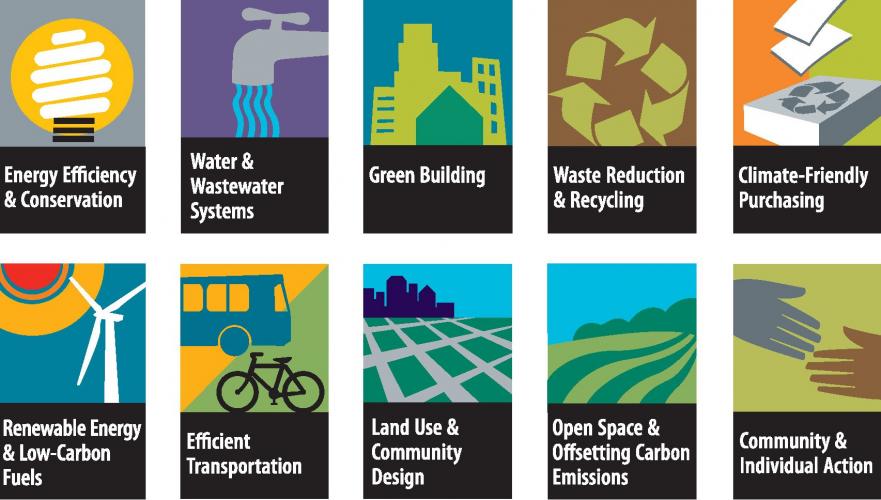
- Conserve water. Fix leaks, install efficient fixtures, and avoid letting water run when it is not needed. In gardens, choose plants suited to the local climate and water them efficiently.
- Use energy wisely. Turn off lights and equipment when they are not in use, improve insulation, and choose energy-efficient appliances. Where available, consider electricity from renewable sources.
- Buy thoughtfully. Choose durable products, purchase only what is needed, and look for items made with responsibly sourced or recycled materials.
- Reduce food waste. Plan meals, store food properly, use leftovers, and compost suitable food scraps where composting is available.
- Reuse and repair. Repair clothing, furniture, and equipment when practical. Reuse containers and other items, and donate goods that are still in good condition.
- Recycle correctly. Follow local recycling guidelines, since accepted materials vary by community. Keep recyclable items clean and separate from materials that cannot be processed.
- Choose lower-impact transportation. When practical, walk, bike, carpool, or use public transportation. Combining errands can also reduce unnecessary trips.
The Role of Businesses and Communities
Individual choices matter, but large-scale progress also depends on decisions made by businesses, governments, and community organizations. Companies can reduce material use, design products for repair and reuse, improve energy efficiency, and make supply chains more transparent. Local governments can support public transportation, recycling and composting programs, water conservation, and responsible land management.
Communities can help by sharing resources, supporting local repair and reuse programs, protecting natural areas, and making sustainable options accessible to more people. Collaboration can turn individual efforts into lasting changes.
Moving Toward a Circular Economy
Many products follow a linear path: raw materials are taken from the environment, made into goods, and eventually discarded. A circular economy aims to keep materials in use for as long as possible. This can involve designing products that last, repairing them when they break, reusing components, and recovering materials at the end of a product’s life.
Not every material can be reused or recycled indefinitely, but reducing waste at the design stage can make a meaningful difference. The goal is to get more value from resources while sending less to landfills and reducing pressure on natural systems.
Progress Starts With Practical Choices
Sustainable resource use is an ongoing effort, not a single action or perfect standard. The most effective steps depend on local conditions, available services, and personal circumstances. Starting with practical changes—such as conserving water, reducing food waste, or choosing longer-lasting products—can help build habits that add up over time.
By using resources with care and supporting systems that do the same, individuals and communities can help protect the natural foundations of daily life. A sustainable future depends not only on what resources are available, but on how wisely they are used.
5 Simple Ways to Use Resources Sustainably
- Turn off lights when you leave a room.
- Choose reusable bags, bottles, and containers.
- Take shorter showers to save water.
- Walk, bike, or use public transit when possible.
- Repair, reuse, or donate items instead of tossing them.
Turn off lights when you leave a room.
Turn off the lights whenever you leave a room to avoid using electricity when it isn’t needed. This simple habit can help lower energy use and reduce utility costs over time. For added convenience, consider using energy-efficient LED bulbs or timers in areas where lights are often left on.
Choose reusable bags, bottles, and containers.
Choosing reusable bags, bottles, and containers is a simple way to reduce single-use waste and make better use of resources. Keep a few reusable bags in your car or by the door, carry a refillable water bottle, and use washable containers for meals and leftovers. With regular use, these items can replace many disposable alternatives and help reduce the materials and energy needed to produce, transport, and dispose of them.
Take shorter showers to save water.
Taking shorter showers is a simple way to conserve water at home. Even cutting a few minutes from your shower can save gallons of water over time, reducing pressure on local water supplies and the energy needed to heat water. Try setting a timer or turning off the water while you lather to make the habit easier to maintain.
Walk, bike, or use public transit when possible.
Walking, biking, or taking public transit when possible can reduce fuel use, traffic congestion, and transportation-related emissions. These choices can also support healthier routines and make better use of shared community resources. For longer trips or when these options aren’t practical, combining errands or carpooling can help reduce the number of trips taken.
Repair, reuse, or donate items instead of tossing them.
Repair, reuse, or donate items instead of tossing them to keep useful materials out of landfills and reduce demand for new resources. A simple repair can give a broken item a second life, while reusing or repurposing household goods can help you get more value from what you already own. If something no longer works for you but is still in good condition, consider donating it to a local charity, community group, or someone who can use it.