
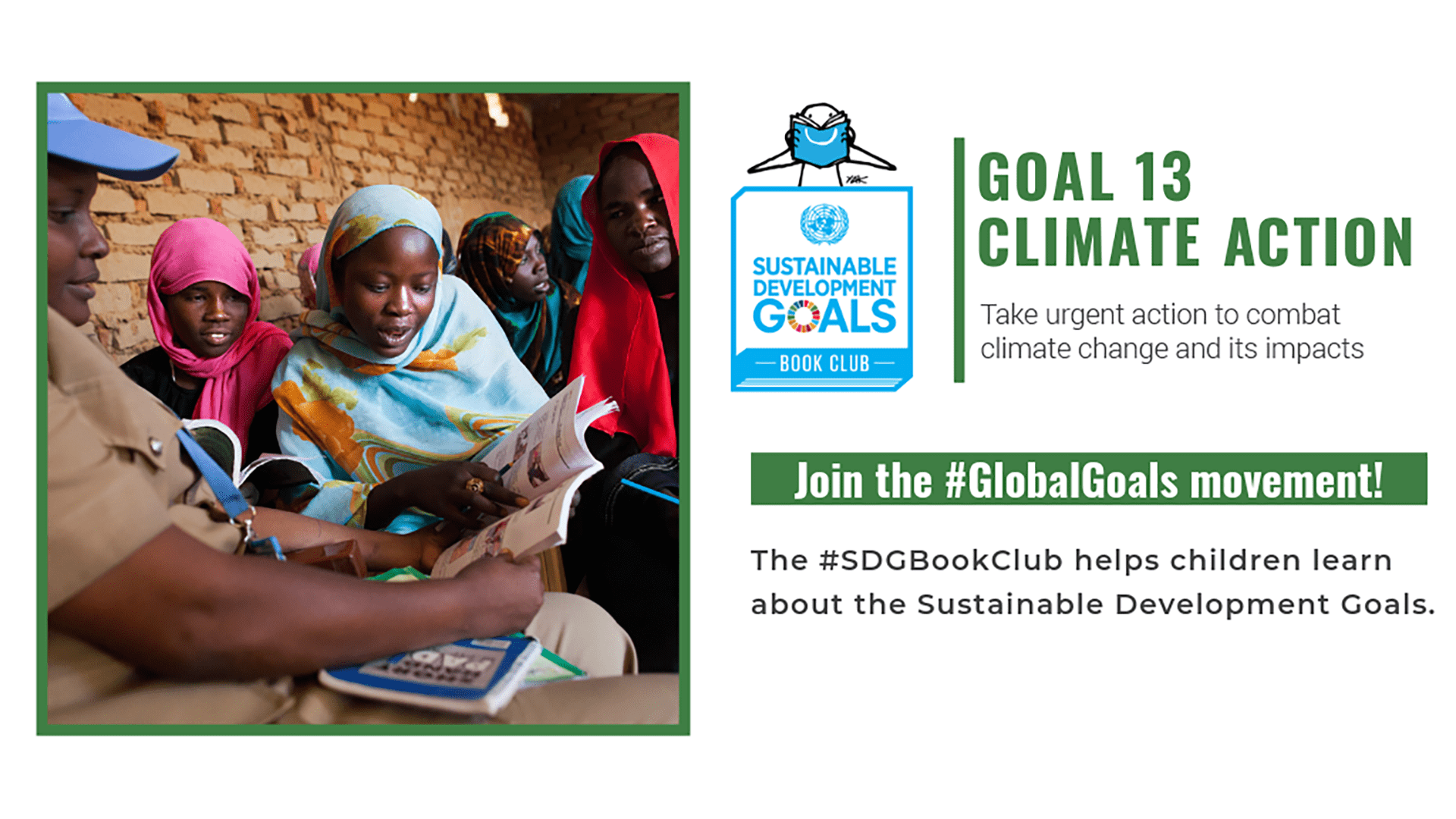
The Importance of Sustainable Development Goal 13: Climate Action
Sustainable Development Goal 13, focusing on Climate Action, is a critical component of the United Nations’ 2030 Agenda for Sustainable Development. This goal recognizes the urgent need to take significant steps to combat climate change and its impacts. Addressing climate change is essential to ensuring a sustainable future for our planet and all its inhabitants.
Why Climate Action Matters
Climate change poses a severe threat to the environment, economies, and societies worldwide. Rising global temperatures, extreme weather events, sea-level rise, and other climate-related phenomena are already affecting vulnerable communities and ecosystems. Without immediate action, these impacts will only worsen, leading to irreversible damage.
The Goals of Sustainable Development Goal 13
SDG 13 aims to mobilize efforts to strengthen resilience and adaptive capacity to climate-related hazards and natural disasters in all countries. It calls for countries to integrate climate change measures into their policies and planning processes, raise awareness about climate change mitigation strategies, and support developing countries in their efforts to combat climate change.
Taking Action on Climate Change
Individuals, communities, businesses, governments, and organizations all play a crucial role in addressing climate change. By reducing greenhouse gas emissions, transitioning to renewable energy sources, promoting sustainable practices, protecting forests and biodiversity, and advocating for policy changes at local and global levels, we can make a positive impact on the environment.
The Path Forward
Achieving Sustainable Development Goal 13 requires collaboration and commitment from all sectors of society. By working together towards common goals of sustainability and environmental protection, we can create a more resilient planet for future generations. Let us embrace the challenge of climate action with determination and urgency to secure a healthier and more sustainable world for all.
Join the global movement for Climate Action today!
Frequently Asked Questions About Sustainable Development Goal 13: Climate Action
- What is Sustainable Development Goal 13
- Why is Climate Action important in the context of sustainable development goals?
- How does climate change impact our environment and society?
- What are the main objectives of SDG 13?
- What can individuals do to contribute to Climate Action under SDG 13?
- How do governments address climate change at a policy level?
- What role do businesses play in promoting Climate Action and sustainability?
- How can communities and local organizations support SDG 13 initiatives?
- What are some success stories or best practices related to Climate Action under SDG 13?
What is Sustainable Development Goal 13
Sustainable Development Goal 13, known as Climate Action, is a crucial objective set by the United Nations as part of the 2030 Agenda for Sustainable Development. This goal specifically focuses on the urgent need to combat climate change and its impacts on a global scale. Sustainable Development Goal 13 emphasizes the importance of taking concrete steps to mitigate climate change, build resilience to climate-related hazards, and integrate sustainable practices into policies and planning processes worldwide. By addressing Climate Action through SDG 13, we aim to protect our planet’s ecosystems, promote environmental sustainability, and ensure a more secure future for generations to come.
Why is Climate Action important in the context of sustainable development goals?
Climate Action is crucial within the framework of Sustainable Development Goals, particularly Goal 13, because climate change poses a significant threat to the achievement of sustainable development worldwide. By addressing climate change through proactive measures such as reducing greenhouse gas emissions, promoting renewable energy sources, and enhancing resilience to climate-related hazards, we can safeguard ecosystems, economies, and societies for future generations. Climate Action is essential for creating a more sustainable and resilient world where environmental protection and socio-economic progress go hand in hand.
How does climate change impact our environment and society?
Climate change has profound impacts on both our environment and society. Rising global temperatures lead to more frequent and severe extreme weather events, such as hurricanes, droughts, and heatwaves, which can devastate communities and ecosystems. Sea-level rise threatens coastal areas and island nations, displacing populations and endangering infrastructure. Changes in precipitation patterns affect agriculture, water resources, and food security, leading to potential conflicts over scarce resources. Furthermore, climate change exacerbates existing social inequalities, disproportionately affecting vulnerable populations who have limited resources to adapt to these changes. Addressing climate change through sustainable development actions is crucial to safeguarding our environment and building resilient societies for the future.
What are the main objectives of SDG 13?
The main objectives of Sustainable Development Goal 13, Climate Action, are to strengthen resilience and adaptive capacity to climate-related hazards and natural disasters in all countries. This goal emphasizes the integration of climate change measures into national policies, strategies, and planning processes. It aims to raise awareness about the importance of climate change mitigation and adaptation strategies while supporting developing countries in their efforts to combat the impacts of climate change. By focusing on these objectives, SDG 13 seeks to drive global action towards a more sustainable and resilient future for our planet.
What can individuals do to contribute to Climate Action under SDG 13?
Individuals play a crucial role in contributing to Climate Action under Sustainable Development Goal 13. There are several ways individuals can make a difference, such as reducing energy consumption by using energy-efficient appliances, vehicles, and lighting; minimizing waste by recycling and composting; supporting renewable energy sources like solar and wind power; advocating for sustainable practices in their communities; and raising awareness about climate change through education and engagement. By making conscious choices in their daily lives and encouraging others to do the same, individuals can collectively have a significant impact on combating climate change and creating a more sustainable future for all.
How do governments address climate change at a policy level?
Governments address climate change at a policy level by implementing a range of strategies and measures aimed at reducing greenhouse gas emissions, promoting renewable energy sources, enhancing energy efficiency standards, and integrating climate considerations into urban planning and infrastructure development. Policy initiatives may include setting emissions targets, implementing carbon pricing mechanisms, supporting clean technology innovation, investing in climate-resilient infrastructure, and collaborating with other nations to achieve global climate goals. By enacting comprehensive policies and regulations, governments can create the necessary framework to mitigate climate change impacts and transition towards a more sustainable future.
What role do businesses play in promoting Climate Action and sustainability?
Businesses play a crucial role in promoting Climate Action and sustainability by implementing environmentally friendly practices, reducing carbon emissions, and supporting renewable energy initiatives. By integrating sustainable strategies into their operations, businesses can minimize their environmental impact, contribute to the fight against climate change, and inspire others to follow suit. Additionally, companies have the power to influence consumer behavior, drive innovation in green technologies, and advocate for policies that support a more sustainable future. Through responsible business practices and commitment to sustainability, businesses can be key allies in achieving Sustainable Development Goal 13 and creating a greener, more resilient planet for all.
How can communities and local organizations support SDG 13 initiatives?
Communities and local organizations play a vital role in supporting Sustainable Development Goal 13 initiatives focused on climate action. They can contribute by implementing sustainable practices within their communities, such as promoting energy efficiency, waste reduction, and the use of renewable energy sources. By raising awareness about climate change issues and advocating for environmentally friendly policies at the local level, communities and organizations can help drive positive change. Collaboration with government agencies, businesses, and other stakeholders is also key to advancing SDG 13 goals effectively. Through grassroots efforts and collective action, communities and local organizations can make a significant impact in combatting climate change and working towards a more sustainable future.
What are some success stories or best practices related to Climate Action under SDG 13?
Numerous success stories and best practices demonstrate the positive impact of Climate Action under Sustainable Development Goal 13. For example, countries like Costa Rica have made significant strides in promoting renewable energy sources and reforestation efforts, leading to a decrease in carbon emissions. Cities such as Copenhagen have implemented innovative urban planning strategies to reduce greenhouse gas emissions and promote sustainable transportation options. Additionally, initiatives like the Global Green Growth Institute’s work with developing countries to integrate climate change considerations into their national policies showcase effective collaboration for climate resilience. These success stories highlight the importance of proactive measures and collaborative efforts in achieving meaningful progress towards a more sustainable future under SDG 13.