
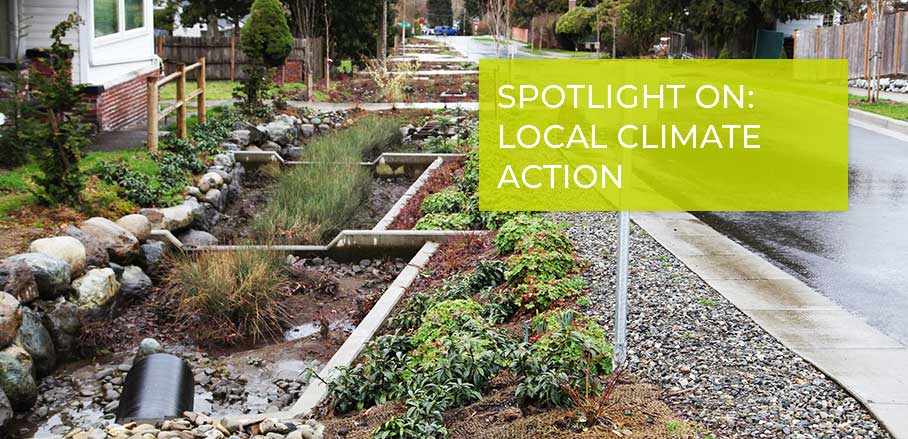
Local Climate Action: Making a Difference in Our Communities
Climate change is a global issue that requires action at all levels of society. While international agreements and national policies play a crucial role in addressing this challenge, local communities also have the power to make a significant impact. Local climate action initiatives are vital in the fight against climate change, as they not only reduce greenhouse gas emissions but also build more resilient and sustainable communities.
Why Local Action Matters
Local governments, businesses, and residents all have a part to play in reducing carbon footprints and adapting to the effects of climate change. By taking action at the local level, communities can:
- Reduce greenhouse gas emissions through energy efficiency programs, renewable energy projects, and sustainable transportation initiatives.
- Protect natural resources by promoting conservation efforts, sustainable land use practices, and green infrastructure development.
- Enhance community resilience to extreme weather events and other climate-related challenges through adaptation strategies and disaster preparedness plans.
- Engage residents in sustainability efforts through education, outreach programs, and community partnerships.
Examples of Local Climate Action
Communities around the world are taking innovative approaches to address climate change at the local level. Some examples of effective local climate action include:
- Implementing bike-sharing programs to reduce car emissions and promote sustainable transportation options.
- Establishing community gardens and urban green spaces to enhance biodiversity and improve air quality.
- Mandating energy-efficient building codes to reduce energy consumption in residential and commercial structures.
- Organizing tree planting campaigns to sequester carbon dioxide and mitigate urban heat island effects.
- Collaborating with local businesses to promote recycling, composting, and waste reduction practices.
Get Involved in Your Community
If you are passionate about combating climate change and want to make a difference in your community, there are many ways to get involved:
- Contact your local government officials to advocate for climate-friendly policies and initiatives.
- Join or support local environmental organizations that are working on sustainability projects in your area.
- Volunteer for community clean-up events, tree planting activities, or educational workshops on climate change mitigation.
- Reduce your own carbon footprint by adopting eco-friendly habits such as recycling, conserving water, using public transportation, or switching to renewable energy sources.
Remember that every small action counts when it comes to addressing climate change. By working together at the local level, we can create more resilient communities and contribute to a healthier planet for future generations.
Understanding and Engaging in Local Climate Action: FAQs and Insights
- What is local climate action?
- Why is local climate action important?
- How can I get involved in local climate action?
- What are some examples of successful local climate action initiatives?
- What impact does local climate action have on the community?
- How can local governments support and promote climate-friendly policies?
- What are the benefits of engaging businesses and residents in local climate action efforts?
What is local climate action?
Local climate action refers to the collective efforts undertaken by communities, local governments, businesses, and individuals to address the challenges of climate change at the grassroots level. It encompasses a wide range of initiatives aimed at reducing greenhouse gas emissions, promoting sustainability, and building resilience to the impacts of a changing climate within a specific geographic area. Local climate action involves implementing policies, programs, and projects that contribute to a more sustainable future, create healthier environments, and foster community engagement in combating climate change. By taking proactive steps at the local level, we can make a meaningful impact on our environment and work towards a more sustainable and resilient future for all.
Why is local climate action important?
Local climate action is crucial because it empowers communities to directly address the pressing issue of climate change at a grassroots level. By taking proactive steps within their own neighborhoods, cities, and regions, local initiatives have the potential to significantly reduce greenhouse gas emissions, enhance environmental sustainability, and build resilience against the impacts of a changing climate. Through collaborative efforts involving local governments, businesses, organizations, and residents, these actions not only contribute to global efforts to combat climate change but also create tangible benefits for the community in terms of improved public health, economic opportunities, and overall quality of life. Ultimately, local climate action plays a vital role in shaping a more sustainable future for both current and future generations.
How can I get involved in local climate action?
To get involved in local climate action, there are various ways you can make a meaningful contribution to your community’s sustainability efforts. You can start by reaching out to local environmental organizations or community groups that focus on climate initiatives and volunteering your time and skills. Additionally, attending town hall meetings or engaging with local government officials to advocate for climate-friendly policies can have a significant impact. Participating in community clean-up events, tree planting activities, or educational workshops on climate change is another great way to actively contribute to local climate action. Remember, every individual effort counts towards building a more sustainable future for our planet.
What are some examples of successful local climate action initiatives?
Many successful local climate action initiatives have demonstrated the positive impact of community-driven efforts in combating climate change. Examples include the implementation of bike-sharing programs to reduce carbon emissions and promote sustainable transportation options, the establishment of community gardens and green spaces to enhance biodiversity and improve air quality, and the mandating of energy-efficient building codes to reduce energy consumption in residential and commercial structures. Tree planting campaigns, collaboration with local businesses for waste reduction practices, and advocacy for renewable energy sources are also key examples of effective local climate action initiatives that have made a tangible difference in building more sustainable and resilient communities.
What impact does local climate action have on the community?
Local climate action initiatives have a significant impact on the community by fostering sustainability, resilience, and well-being. By reducing greenhouse gas emissions, promoting energy efficiency, and implementing sustainable practices, local climate action helps improve air quality, protect natural resources, and mitigate the effects of climate change. Additionally, these initiatives create green jobs, enhance public health, and strengthen community cohesion. Ultimately, local climate action not only contributes to a healthier environment but also builds more vibrant and sustainable communities for current and future generations to thrive in.
How can local governments support and promote climate-friendly policies?
Local governments play a crucial role in supporting and promoting climate-friendly policies within their communities. To effectively address climate change, local governments can implement a variety of initiatives, such as setting emissions reduction targets, promoting renewable energy sources, incentivizing sustainable transportation options, and incorporating climate considerations into urban planning and development regulations. By leading by example through their own operations and infrastructure, partnering with stakeholders to raise awareness and build consensus, and providing resources and support for residents and businesses to adopt sustainable practices, local governments can make a significant impact in mitigating climate change at the grassroots level.
What are the benefits of engaging businesses and residents in local climate action efforts?
Engaging businesses and residents in local climate action efforts yields a multitude of benefits for communities. By involving businesses, we can leverage their resources, expertise, and influence to implement sustainable practices that reduce carbon emissions, minimize waste, and promote environmental stewardship. Collaboration with residents fosters a sense of community ownership and responsibility towards the environment, leading to increased participation in eco-friendly initiatives such as energy conservation, recycling programs, and green transportation options. Ultimately, the synergy between businesses and residents in local climate action not only helps mitigate the impacts of climate change but also creates more resilient and sustainable neighborhoods for current and future generations to thrive in.