
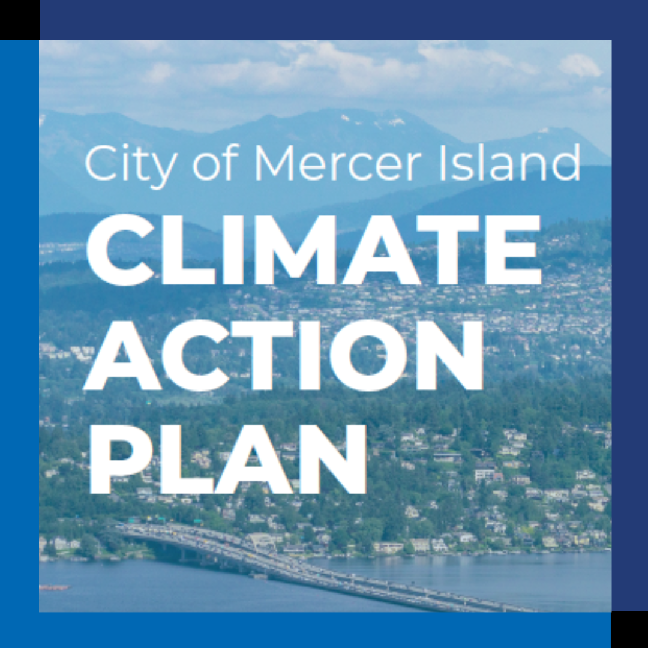
The Urgency of Government Action Against Climate Change
Climate change is one of the most pressing challenges of our time, with far-reaching consequences for the planet and all its inhabitants. As global temperatures rise and extreme weather events become more frequent, governments around the world are increasingly recognizing the need for urgent action to mitigate and adapt to these changes.
In recent years, many governments have taken significant steps to address climate change through policy interventions, investments in renewable energy, and international cooperation. These actions are crucial in reducing greenhouse gas emissions, promoting sustainability, and protecting vulnerable communities from the impacts of a changing climate.
Key Government Initiatives
One key initiative undertaken by governments is the implementation of carbon pricing mechanisms such as carbon taxes or cap-and-trade systems. These measures incentivize businesses and individuals to reduce their carbon footprint by putting a price on carbon emissions. By internalizing the costs of pollution, carbon pricing encourages the transition to cleaner energy sources and promotes energy efficiency.
Another important aspect of government action against climate change is the promotion of renewable energy sources such as solar, wind, and hydroelectric power. Many countries have set ambitious targets for increasing renewable energy capacity and have provided incentives for investment in clean energy technologies. By shifting away from fossil fuels towards renewable sources, governments aim to reduce reliance on polluting energy sources and decrease overall emissions.
International Cooperation
Climate change is a global issue that requires coordinated efforts across borders. Governments are actively participating in international agreements such as the Paris Agreement to set emission reduction targets and work towards limiting global warming to well below 2 degrees Celsius above pre-industrial levels. Through these agreements, countries commit to taking concrete actions to combat climate change and support each other in achieving their climate goals.
The Role of Citizens
While government action is essential in addressing climate change, individuals also play a crucial role in reducing their environmental impact. By making sustainable choices in daily life, such as using public transportation, reducing waste, and supporting eco-friendly products, citizens can contribute to efforts to combat climate change at a grassroots level.
Looking Ahead
As the effects of climate change continue to be felt around the world, government action remains paramount in driving meaningful progress towards a more sustainable future. By implementing bold policies, investing in clean technologies, and fostering international cooperation, governments can lead the way in mitigating the impacts of climate change and building a resilient society for generations to come.
8 Benefits of Government Action on Climate Change: From Emission Reduction to Global Leadership
- Reduces greenhouse gas emissions, mitigating global warming.
- Promotes investment in renewable energy sources, fostering a shift towards sustainability.
- Creates green jobs and stimulates economic growth in the clean energy sector.
- Protects vulnerable communities from the impacts of climate change, such as extreme weather events.
- Improves air quality and public health by reducing pollution from fossil fuel combustion.
- Strengthens national security by decreasing dependence on foreign oil and volatile energy markets.
- Encourages innovation and technological advancement in clean energy solutions.
- Demonstrates global leadership and fosters international cooperation to address a shared environmental challenge.
Challenges and Concerns in Government Action on Climate Change: Economic Impacts, Industry Resistance, and Social Equity
- Potential economic impacts due to the costs of implementing climate change policies.
- Resistance from industries reliant on fossil fuels that may face disruptions or job losses.
- Challenges in achieving consensus among different political parties and stakeholders on climate policies.
- Risk of unintended consequences or inefficiencies in government interventions.
- Concerns about the effectiveness of international agreements in driving real change.
- Possibility of regulatory burdens hindering innovation and economic growth.
- Disproportionate impacts on low-income communities who may struggle with increased costs.
Reduces greenhouse gas emissions, mitigating global warming.
Government action against climate change plays a crucial role in reducing greenhouse gas emissions, which in turn helps mitigate global warming. By implementing policies and initiatives that promote clean energy sources, energy efficiency, and sustainable practices, governments can significantly decrease the amount of greenhouse gases released into the atmosphere. This proactive approach not only helps slow down the pace of global warming but also contributes to creating a more sustainable and environmentally friendly future for our planet.
Promotes investment in renewable energy sources, fostering a shift towards sustainability.
Government action against climate change promotes investment in renewable energy sources, fostering a shift towards sustainability. By providing incentives and support for the development of renewable energy technologies such as solar, wind, and hydroelectric power, governments encourage businesses and individuals to transition away from fossil fuels. This not only helps reduce greenhouse gas emissions but also drives innovation in the clean energy sector, creating new job opportunities and promoting economic growth while contributing to a more sustainable future for all.
Creates green jobs and stimulates economic growth in the clean energy sector.
Government action against climate change, such as investing in clean energy initiatives and promoting sustainable practices, has the significant benefit of creating green jobs and stimulating economic growth in the clean energy sector. By supporting renewable energy projects, implementing energy-efficient policies, and incentivizing green technologies, governments can not only reduce greenhouse gas emissions but also drive innovation and job creation in industries focused on environmental sustainability. This proactive approach not only helps combat climate change but also boosts the economy by fostering a transition to a greener, more sustainable future.
Protects vulnerable communities from the impacts of climate change, such as extreme weather events.
Government action against climate change plays a crucial role in safeguarding vulnerable communities from the devastating impacts of environmental shifts, particularly extreme weather events. By implementing policies and initiatives aimed at reducing greenhouse gas emissions and promoting resilience, governments can help mitigate the risks posed by climate-related disasters. This proactive approach not only enhances the safety and well-being of those most susceptible to climate impacts but also fosters a more sustainable and equitable society for all.
Improves air quality and public health by reducing pollution from fossil fuel combustion.
Government action against climate change plays a crucial role in improving air quality and public health by reducing pollution stemming from fossil fuel combustion. By implementing policies that promote the use of cleaner energy sources and incentivize the reduction of greenhouse gas emissions, governments can significantly decrease the levels of harmful pollutants in the air. This not only helps mitigate climate change but also leads to tangible benefits for public health, such as lower rates of respiratory illnesses, cardiovascular diseases, and overall improved well-being for communities.
Strengthens national security by decreasing dependence on foreign oil and volatile energy markets.
Government action against climate change strengthens national security by reducing reliance on foreign oil and volatile energy markets. By investing in clean energy technologies and promoting renewable sources of energy, governments can enhance energy independence and resilience. This shift away from fossil fuels not only mitigates the environmental impact of carbon emissions but also decreases the vulnerability of nations to geopolitical conflicts and price fluctuations in the global oil market. By diversifying energy sources and promoting sustainable practices, governments can safeguard national security interests while advancing efforts to combat climate change.
Encourages innovation and technological advancement in clean energy solutions.
Government action against climate change encourages innovation and technological advancement in clean energy solutions. By setting ambitious goals and providing incentives for research and development in renewable energy technologies, governments stimulate a wave of innovation that drives progress towards a more sustainable future. This proactive approach not only fosters the growth of clean energy industries but also spurs creativity and collaboration among scientists, engineers, and entrepreneurs to develop cutting-edge solutions for reducing carbon emissions and transitioning to a low-carbon economy. Ultimately, government support for innovation in clean energy paves the way for a greener and more resilient energy landscape that benefits both the environment and society as a whole.
Demonstrates global leadership and fosters international cooperation to address a shared environmental challenge.
Government action against climate change demonstrates global leadership and fosters international cooperation to address a shared environmental challenge. By taking proactive steps to reduce greenhouse gas emissions, implement sustainable practices, and invest in renewable energy, governments set an example for other nations to follow. Through collaborative efforts and diplomatic initiatives such as international agreements like the Paris Agreement, countries work together towards a common goal of combating climate change on a global scale. This collective approach not only strengthens relationships between nations but also showcases the power of unified action in addressing complex environmental issues that transcend borders.
Potential economic impacts due to the costs of implementing climate change policies.
One significant con of government action against climate change is the potential economic impacts resulting from the costs of implementing climate change policies. While investing in sustainable practices and transitioning to cleaner energy sources is crucial for mitigating climate change, these initiatives often require substantial financial resources. The expenses associated with implementing and enforcing climate policies can place a strain on businesses, industries, and taxpayers, potentially leading to increased production costs, reduced competitiveness in the global market, and higher energy prices for consumers. Balancing the economic implications of climate action with the urgent need to address environmental challenges remains a complex issue that policymakers must carefully consider to ensure a sustainable and equitable transition to a greener future.
Resistance from industries reliant on fossil fuels that may face disruptions or job losses.
One significant con of government action against climate change is the resistance from industries heavily reliant on fossil fuels, which may face disruptions or job losses as a result of transitioning to cleaner energy sources. Sectors such as coal mining, oil extraction, and traditional power generation may oppose climate policies that threaten their profitability and workforce stability. The challenge lies in balancing the need for environmental protection with the socio-economic impacts on workers and communities dependent on these industries. Finding solutions that support a just transition for affected workers while phasing out fossil fuel dependence is crucial to overcoming this obstacle in the fight against climate change.
Challenges in achieving consensus among different political parties and stakeholders on climate policies.
One significant challenge in government action against climate change is the difficulty in achieving consensus among different political parties and stakeholders on climate policies. Differing ideologies, priorities, and interests can often lead to disagreements and delays in the implementation of effective measures to address climate change. Political polarization and short-term thinking can hinder efforts to develop comprehensive and long-term strategies for reducing greenhouse gas emissions and promoting sustainability. Without unified support across party lines and stakeholder groups, progress towards meaningful climate policies may be slow or fragmented, potentially impeding the collective response needed to combat this global crisis effectively.
Risk of unintended consequences or inefficiencies in government interventions.
One significant con of government action against climate change is the risk of unintended consequences or inefficiencies in the implementation of interventions. While well-intentioned policies may aim to reduce greenhouse gas emissions and promote sustainability, there is a possibility that certain measures could have unintended negative impacts on other sectors of the economy or society. For example, regulations targeting specific industries may lead to job losses or economic disruptions in those sectors, potentially causing social unrest. Additionally, inefficient government interventions could result in wasted resources or ineffective outcomes, hindering progress in the fight against climate change. Balancing the need for impactful action with careful consideration of potential unintended consequences is a crucial challenge for policymakers in addressing climate change effectively.
Concerns about the effectiveness of international agreements in driving real change.
One significant con of government action against climate change is the skepticism surrounding the effectiveness of international agreements in driving tangible change. While international accords like the Paris Agreement aim to set ambitious targets for reducing greenhouse gas emissions and fostering global cooperation, concerns persist about the enforceability and accountability of these agreements. Critics argue that without robust mechanisms to ensure compliance and monitor progress, countries may not fully commit to their pledged actions, leading to insufficient results in combating climate change on a meaningful scale. This lack of confidence in the efficacy of international agreements raises doubts about their ability to catalyze the necessary transformative actions required to address the urgent challenges posed by climate change.
Possibility of regulatory burdens hindering innovation and economic growth.
One potential con of government action against climate change is the risk of imposing regulatory burdens that could stifle innovation and hinder economic growth. Strict regulations aimed at reducing carbon emissions and promoting sustainability may place additional compliance costs on businesses, potentially limiting their ability to invest in research and development of new technologies. This could slow down innovation in industries that are crucial for transitioning to a low-carbon economy. Moreover, stringent regulations may create barriers for small businesses and startups, making it challenging for them to compete in the market and hampering overall economic growth. Balancing the need for environmental protection with fostering innovation and economic development is a complex challenge that governments must carefully navigate when implementing climate policies.
Disproportionate impacts on low-income communities who may struggle with increased costs.
Government action against climate change, while crucial for the health of our planet, can have unintended consequences, such as disproportionately impacting low-income communities. These communities often bear the brunt of increased costs associated with transitioning to cleaner energy sources and implementing climate policies. As they may already be struggling financially, the additional burden of higher energy prices or limited access to affordable resources can exacerbate existing inequalities. It is essential for policymakers to consider these disparities and implement measures that ensure a just transition to a sustainable future, taking into account the needs of vulnerable populations to prevent further marginalization.