
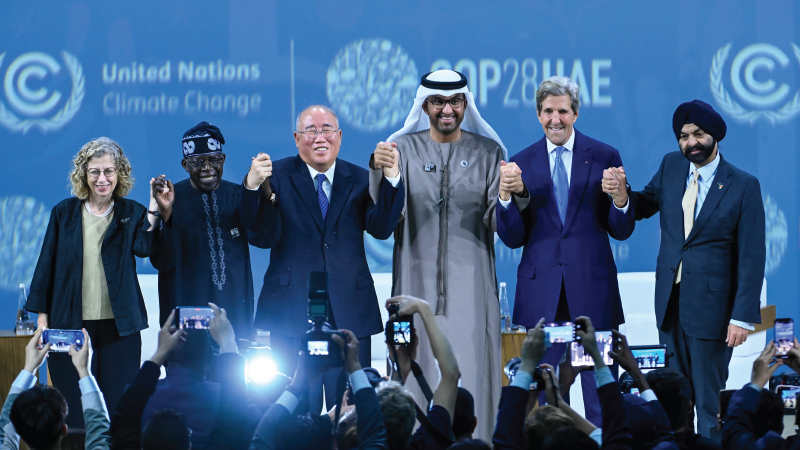
Countries Taking Action on Climate Change
Climate change is a global issue that requires collective efforts from countries around the world to address. Fortunately, many nations are stepping up and implementing measures to combat climate change and reduce their carbon footprint.
Leading by Example
Several countries have been leading by example in the fight against climate change. For instance, Sweden has set a goal to become carbon neutral by 2045 and has been investing heavily in renewable energy sources such as wind and solar power. Iceland has been focusing on geothermal energy as a sustainable alternative to fossil fuels, while Costa Rica has made significant progress in achieving nearly 100% renewable energy generation.
International Cooperation
International agreements such as the Paris Agreement have played a crucial role in encouraging countries to take action on climate change. The agreement aims to limit global warming to well below 2 degrees Celsius above pre-industrial levels, with efforts to limit the temperature increase even further to 1.5 degrees Celsius.
Policy Initiatives
Many countries have implemented policy initiatives to reduce greenhouse gas emissions and promote sustainability. This includes setting targets for renewable energy production, implementing carbon pricing mechanisms, investing in public transportation infrastructure, and promoting energy efficiency in buildings and industries.
Educating the Public
Educating the public about climate change and its impacts is also crucial for driving action at the individual and community levels. Countries are launching public awareness campaigns, incorporating climate change education into school curricula, and engaging with local communities to promote sustainable practices.
The Road Ahead
While progress is being made, there is still much work to be done in the fight against climate change. Countries must continue to collaborate, innovate, and implement bold policies to transition towards a low-carbon future. By working together, we can create a more sustainable world for future generations.
Key Questions on Global Climate Action: Leading Countries, Policies, and Challenges
- Which countries are leading in taking action on climate change?
- What international agreements are in place to address climate change?
- What policy initiatives have countries implemented to combat climate change?
- How are countries promoting renewable energy as part of their climate action plans?
- What role does public education play in encouraging countries to take action on climate change?
- What challenges do countries face in implementing effective measures to address climate change?
Which countries are leading in taking action on climate change?
When it comes to taking action on climate change, several countries are leading the way with ambitious initiatives and proactive measures. Countries like Sweden, Iceland, Costa Rica, and many others have set exemplary goals for carbon neutrality and renewable energy adoption. Through investments in sustainable energy sources, stringent emissions reduction targets, and innovative policy frameworks, these nations are demonstrating a strong commitment to combating climate change and promoting environmental sustainability on a global scale.
What international agreements are in place to address climate change?
Numerous international agreements have been established to address the pressing issue of climate change. One of the most notable agreements is the Paris Agreement, adopted in 2015 by nearly 200 countries. This landmark accord sets out global goals to limit global warming and reduce greenhouse gas emissions, with the aim of keeping the temperature increase well below 2 degrees Celsius above pre-industrial levels. Additionally, the Kyoto Protocol, agreed upon in 1997, was one of the first international treaties to set binding targets for reducing greenhouse gas emissions. These agreements demonstrate a collective commitment among nations to work together towards a more sustainable and climate-resilient future.
What policy initiatives have countries implemented to combat climate change?
Countries around the world have implemented a variety of policy initiatives to combat climate change. These initiatives include setting ambitious targets for reducing greenhouse gas emissions, promoting the use of renewable energy sources such as wind and solar power, implementing carbon pricing mechanisms to incentivize emission reductions, investing in sustainable transportation infrastructure, and adopting energy efficiency measures in buildings and industries. Additionally, many countries are actively participating in international agreements like the Paris Agreement to collectively work towards mitigating the impacts of climate change on a global scale.
How are countries promoting renewable energy as part of their climate action plans?
Countries are promoting renewable energy as a key component of their climate action plans through a variety of strategies. Many nations have set ambitious targets for increasing the share of renewable energy in their overall energy mix, incentivizing the development and adoption of solar, wind, hydroelectric, and other clean energy sources. Governments are implementing policies such as feed-in tariffs, tax incentives, and subsidies to support the growth of renewable energy infrastructure. Additionally, countries are investing in research and development to drive innovation in renewable technologies and improve their efficiency and affordability. By prioritizing renewable energy in their climate action plans, countries are not only reducing greenhouse gas emissions but also fostering sustainable economic growth and energy security for the future.
What role does public education play in encouraging countries to take action on climate change?
Public education plays a crucial role in encouraging countries to take action on climate change by raising awareness, fostering understanding, and inspiring collective action. By educating the public about the science behind climate change, its impacts on the environment and society, and the urgency of taking proactive measures, countries can cultivate a sense of responsibility and empowerment among their citizens. Through public education initiatives, individuals are equipped with the knowledge and tools to make informed decisions, adopt sustainable practices, and hold policymakers accountable for implementing effective climate policies. Ultimately, public education serves as a catalyst for driving societal change towards a more sustainable and resilient future in the face of climate challenges.
What challenges do countries face in implementing effective measures to address climate change?
Countries face several challenges in implementing effective measures to address climate change. One major challenge is the lack of global consensus and cooperation, as different countries have varying priorities and resources when it comes to environmental policies. Additionally, economic considerations often clash with environmental goals, making it difficult for governments to commit to costly but necessary changes. Political instability, competing interests, and the inertia of existing systems also pose obstacles to swift and comprehensive action on climate change. Overcoming these challenges requires strong leadership, international collaboration, innovative solutions, and a collective commitment to prioritize the health of our planet for future generations.