
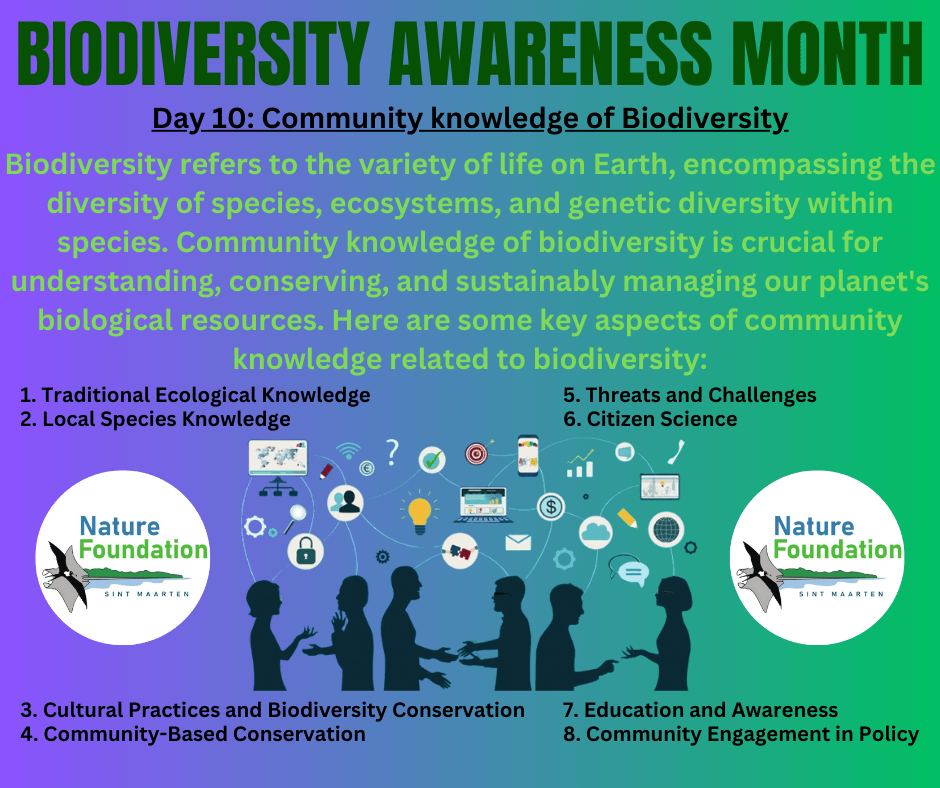
The Importance of Conserving Species Diversity
Species diversity, also known as biodiversity, is a critical component of our natural world. It refers to the variety and variability of living organisms found in a particular habitat or ecosystem. Conserving species diversity is essential for maintaining the health and balance of ecosystems, as each species plays a unique role in the web of life.
Ecological Stability
One of the primary reasons for conserving species diversity is to ensure ecological stability. Different species interact with one another in complex ways, forming intricate relationships that help regulate ecosystem functions such as nutrient cycling, pollination, and pest control. When species are lost due to factors like habitat destruction or climate change, these vital interactions are disrupted, leading to ecosystem instability.
Genetic Resources
Each species carries a unique set of genetic traits that have evolved over millions of years. This genetic diversity is a valuable resource for adaptation and resilience in the face of changing environmental conditions. By conserving species diversity, we preserve this genetic reservoir that can be crucial for developing new medicines, crops with increased resistance to pests and diseases, and other innovations.
Cultural and Aesthetic Value
Species diversity also holds significant cultural and aesthetic value. Many cultures around the world have deep spiritual connections to specific plants or animals, considering them sacred or symbolic. Additionally, diverse ecosystems provide recreational opportunities for people to enjoy nature’s beauty and tranquility.
Threats to Species Diversity
Despite its importance, species diversity is facing unprecedented threats today. Human activities such as deforestation, pollution, overexploitation of natural resources, and climate change are causing rapid declines in biodiversity worldwide. If these trends continue unchecked, we risk losing countless species before we even discover them.
Conservation Efforts
To address the decline in species diversity, conservation efforts are underway globally. These include establishing protected areas, implementing sustainable land management practices, conducting research on endangered species, and raising awareness about the importance of biodiversity conservation among communities and policymakers.
Get Involved
Conserving species diversity is a collective responsibility that requires action at individual, community, and governmental levels. By supporting conservation organizations, making sustainable choices in your daily life, advocating for stronger environmental policies, and spreading awareness about the value of biodiversity, you can contribute to safeguarding our planet’s rich tapestry of life for future generations.
7 Essential Tips to Help Preserve Species Diversity
- Support conservation organizations that work to protect species diversity.
- Reduce, reuse, and recycle to minimize waste and protect habitats.
- Avoid purchasing products made from endangered species or their parts.
- Educate others about the importance of preserving species diversity.
- Plant native plants in your garden to support local wildlife.
- Advocate for policies that promote conservation and protection of biodiversity.
- Participate in community clean-up events to help maintain healthy ecosystems.
Support conservation organizations that work to protect species diversity.
Supporting conservation organizations that work to protect species diversity is a proactive way to make a meaningful impact on the preservation of our planet’s rich biodiversity. By contributing to these organizations, whether through donations, volunteer work, or spreading awareness, you are directly supporting efforts to safeguard endangered species, restore habitats, and promote sustainable practices that benefit ecosystems worldwide. Your support helps ensure that future generations can continue to experience the beauty and importance of diverse plant and animal life on Earth.
Reduce, reuse, and recycle to minimize waste and protect habitats.
By following the principle of “reduce, reuse, and recycle,” we can play a crucial role in conserving species diversity and protecting habitats. By reducing our consumption and waste generation, we lessen the environmental impact on ecosystems. Reusing items instead of discarding them helps minimize the need for new resources, thus preserving natural habitats. Recycling materials conserves energy and reduces pollution, contributing to the overall health of ecosystems where diverse species thrive. Embracing these practices not only benefits the environment but also supports the interconnected web of life that depends on sustainable resource management for survival.
Avoid purchasing products made from endangered species or their parts.
To help preserve species diversity, it is crucial to avoid purchasing products made from endangered species or their parts. The demand for such products drives illegal wildlife trade and poaching, leading to further depletion of already threatened populations. By refusing to buy items derived from endangered species, we can reduce the market demand for these goods and contribute to the protection of vulnerable wildlife populations around the world. It is essential to choose sustainable alternatives and support conservation efforts that promote the well-being of all living beings on our planet.
Educate others about the importance of preserving species diversity.
Educating others about the importance of preserving species diversity is a crucial step in promoting environmental conservation. By raising awareness about the value of biodiversity and the interconnectedness of all living organisms, we can inspire individuals to take action to protect and restore natural ecosystems. Through education, we empower others to make informed decisions that support the preservation of species diversity, ultimately contributing to a healthier planet for current and future generations.
Plant native plants in your garden to support local wildlife.
Planting native plants in your garden is a simple yet effective way to support local wildlife and contribute to the conservation of species diversity. Native plants provide food, shelter, and nesting sites for a variety of insects, birds, and other wildlife that have coevolved with them over time. By creating a habitat with native vegetation, you can help sustain local ecosystems and promote biodiversity in your area. Additionally, native plants are well-adapted to the local climate and soil conditions, requiring less water and maintenance compared to non-native species, making them a sustainable choice for your garden.
Advocate for policies that promote conservation and protection of biodiversity.
Advocating for policies that promote conservation and protection of biodiversity is crucial in ensuring the long-term survival of our planet’s diverse species. By supporting legislation and initiatives that prioritize habitat preservation, sustainable land use practices, and wildlife protection, we can create a more favorable environment for endangered species to thrive. Additionally, advocating for stronger enforcement of existing environmental laws and regulations can help deter activities that harm biodiversity. Through active engagement in policy advocacy, we can influence decision-makers to prioritize the preservation of species diversity and contribute to a healthier and more sustainable future for all living beings.
Participate in community clean-up events to help maintain healthy ecosystems.
Participating in community clean-up events is a simple yet impactful way to contribute to the conservation of species diversity. By removing litter and debris from natural habitats, we can help maintain healthy ecosystems where various plant and animal species thrive. Clean environments provide essential habitats for wildlife, support biodiversity, and ensure that ecosystems function properly. Taking part in these events not only benefits local flora and fauna but also fosters a sense of stewardship and community pride in preserving our natural world for future generations.