
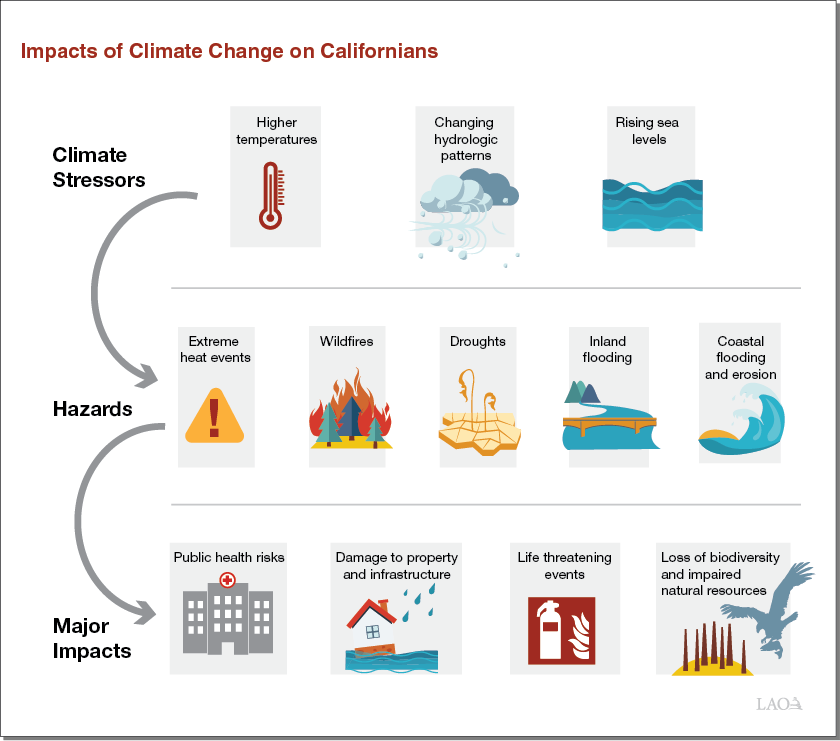
The Effects of Climate Action
Climate action, taken on a global scale, has the potential to bring about significant positive changes to our planet and society as a whole. As the world faces the urgent threat of climate change, implementing measures to reduce greenhouse gas emissions and mitigate its impacts is crucial for a sustainable future.
Environmental Benefits
One of the most immediate effects of climate action is the preservation of natural ecosystems and biodiversity. By reducing carbon emissions and transitioning to renewable energy sources, we can slow down the pace of global warming and limit the loss of habitats for countless plant and animal species.
Health Improvements
Addressing climate change through actions such as promoting clean air initiatives and sustainable transportation not only benefits the environment but also has direct positive impacts on public health. Cleaner air quality leads to lower rates of respiratory diseases and improves overall well-being in communities.
Economic Opportunities
Investing in climate action can also stimulate economic growth by creating new job opportunities in sectors such as renewable energy, energy efficiency, and sustainable agriculture. Transitioning to a low-carbon economy not only reduces greenhouse gas emissions but also fosters innovation and competitiveness in various industries.
Social Equity
Climate action plays a crucial role in promoting social equity by addressing environmental injustices and ensuring that vulnerable communities are not disproportionately affected by the impacts of climate change. By prioritizing inclusivity and fairness in climate policies, we can build a more resilient society for all.
Global Cooperation
Perhaps one of the most profound effects of climate action is its ability to foster international cooperation and solidarity. As countries come together to set ambitious emission reduction targets and work towards common goals, we strengthen our collective resolve to safeguard the planet for future generations.
In conclusion, the effects of climate action extend far beyond environmental benefits; they encompass improvements in health, economic opportunities, social equity, and global cooperation. By taking decisive steps towards addressing climate change today, we pave the way for a more sustainable and prosperous tomorrow for all.
5 Effective Climate Action Tips to Make a Positive Impact on the Environment
- Reduce energy consumption by turning off lights and electronics when not in use.
- Use public transportation, carpool, or bike to reduce greenhouse gas emissions from vehicles.
- Support renewable energy sources like solar and wind power to decrease reliance on fossil fuels.
- Plant trees and support reforestation efforts to absorb carbon dioxide from the atmosphere.
- Reduce waste by recycling and composting to minimize methane emissions from landfills.
Reduce energy consumption by turning off lights and electronics when not in use.
Reducing energy consumption by simply turning off lights and electronics when not in use is a practical and effective way to contribute to climate action efforts. By adopting this habit in our daily lives, we can significantly decrease our carbon footprint and conserve valuable resources. This small but impactful action not only helps lower electricity bills but also plays a part in reducing greenhouse gas emissions, ultimately contributing to a healthier environment for current and future generations.
Use public transportation, carpool, or bike to reduce greenhouse gas emissions from vehicles.
Utilizing public transportation, carpooling, or biking are effective ways to reduce greenhouse gas emissions generated by vehicles. By opting for these sustainable transportation methods, individuals can significantly decrease their carbon footprint and contribute to mitigating climate change. Not only do these actions help combat air pollution and traffic congestion, but they also promote healthier lifestyles and support the transition towards a more environmentally friendly transportation system. Making conscious choices about how we travel can have a positive impact on the environment and create a more sustainable future for all.
Support renewable energy sources like solar and wind power to decrease reliance on fossil fuels.
Supporting renewable energy sources such as solar and wind power is a crucial step in mitigating the effects of climate change. By transitioning away from fossil fuels and embracing cleaner alternatives, we can significantly reduce greenhouse gas emissions and lessen our impact on the environment. Investing in solar and wind power not only helps to decrease our reliance on finite resources but also promotes sustainable energy production for a greener future. By supporting renewable energy initiatives, we contribute to a more sustainable and resilient planet for generations to come.
Plant trees and support reforestation efforts to absorb carbon dioxide from the atmosphere.
Planting trees and supporting reforestation efforts are powerful actions that can significantly mitigate the impacts of climate change. Trees act as natural carbon sinks, absorbing carbon dioxide from the atmosphere during photosynthesis and storing it in their biomass. By increasing forest cover through tree planting initiatives, we not only help to reduce greenhouse gas concentrations but also promote biodiversity, improve air quality, and enhance ecosystem resilience. Supporting reforestation projects is a practical and effective way to combat climate change while fostering a healthier planet for current and future generations.
Reduce waste by recycling and composting to minimize methane emissions from landfills.
Reducing waste through recycling and composting is a simple yet impactful way to mitigate the effects of climate change. By diverting organic matter and recyclable materials from landfills, we can significantly reduce methane emissions, a potent greenhouse gas that contributes to global warming. Recycling and composting not only help to minimize environmental harm but also promote resource conservation and sustainable waste management practices, making it a practical and effective climate action strategy for individuals and communities alike.