
Actions Taken for Climate Change
Climate change is a pressing issue that requires urgent and collective action from individuals, communities, businesses, and governments worldwide. In recent years, there has been a growing awareness of the need to address climate change through various initiatives and measures. Here are some actions that have been taken to combat climate change:
Transition to Renewable Energy Sources
One of the most significant steps taken to combat climate change is the transition from fossil fuels to renewable energy sources such as solar, wind, and hydropower. By reducing our reliance on fossil fuels, we can decrease greenhouse gas emissions and mitigate the impact of climate change.
Carbon Pricing and Emissions Trading
Many countries have implemented carbon pricing mechanisms and emissions trading systems to incentivize businesses to reduce their carbon footprint. By putting a price on carbon emissions, companies are encouraged to invest in cleaner technologies and practices.
Reforestation and Afforestation Efforts
Rampant deforestation has been a major contributor to climate change. To counter this trend, reforestation and afforestation efforts have been undertaken globally to plant trees and restore degraded ecosystems. Trees play a crucial role in absorbing carbon dioxide from the atmosphere.
Sustainable Agriculture Practices
Agriculture is a significant source of greenhouse gas emissions. Sustainable agriculture practices such as organic farming, crop rotation, and agroforestry help reduce emissions, preserve soil health, and promote biodiversity while ensuring food security for future generations.
Public Awareness Campaigns
Educating the public about the impacts of climate change and the importance of taking action is crucial in mobilizing support for climate initiatives. Public awareness campaigns raise consciousness about sustainable living practices, energy conservation, and waste reduction.
International Agreements and Treaties
Countries around the world have come together to negotiate international agreements and treaties aimed at addressing climate change collectively. The Paris Agreement, signed by nearly 200 nations, sets targets for reducing greenhouse gas emissions and limiting global temperature rise.
In conclusion, while the challenges posed by climate change are immense, concerted efforts at all levels of society can make a difference in mitigating its impact. By implementing sustainable practices, promoting renewable energy solutions, protecting natural ecosystems, and advocating for policy changes, we can work towards a more sustainable future for our planet.
Key Actions and Strategies in the Fight Against Climate Change: FAQs
- What actions can individuals take to combat climate change?
- How is renewable energy helping in the fight against climate change?
- What role does reforestation play in addressing climate change?
- What are some sustainable practices that businesses can adopt to reduce their carbon footprint?
- How do international agreements like the Paris Agreement contribute to global efforts to combat climate change?
- What impact does transportation have on greenhouse gas emissions and what measures are being taken to make it more sustainable?
- How can communities and local governments contribute to mitigating the effects of climate change?
What actions can individuals take to combat climate change?
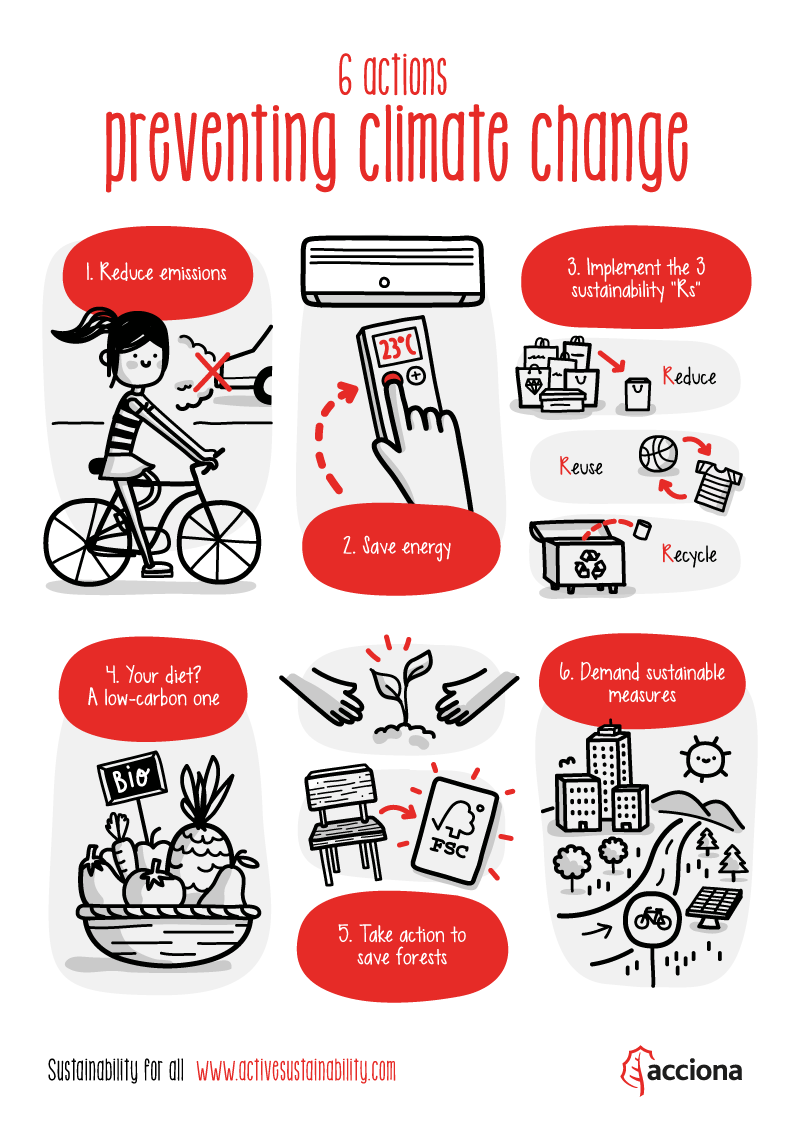
Individuals play a crucial role in combating climate change through their everyday actions. Some impactful steps individuals can take include reducing energy consumption by using energy-efficient appliances, carpooling or using public transportation to reduce carbon emissions from vehicles, supporting renewable energy sources like solar or wind power, minimizing waste by recycling and composting, and advocating for sustainable practices in their communities. Additionally, individuals can make a difference by choosing plant-based diets, planting trees, and educating themselves and others about the importance of climate action. By making conscious choices in their daily lives and supporting initiatives that promote environmental sustainability, individuals can contribute significantly to the fight against climate change.
How is renewable energy helping in the fight against climate change?
Renewable energy plays a crucial role in the fight against climate change by significantly reducing greenhouse gas emissions and mitigating the impact of global warming. Unlike fossil fuels, which release harmful carbon dioxide and other pollutants into the atmosphere when burned, renewable energy sources such as solar, wind, and hydropower generate electricity without producing greenhouse gases. By transitioning to renewable energy sources, we can decrease our reliance on fossil fuels, lower our carbon footprint, and move towards a more sustainable energy future. This shift not only helps combat climate change but also promotes environmental conservation and enhances energy security for future generations.
What role does reforestation play in addressing climate change?
Reforestation plays a crucial role in addressing climate change by helping to absorb carbon dioxide from the atmosphere. Trees act as natural carbon sinks, capturing and storing carbon through photosynthesis. By planting trees and restoring forest ecosystems, we can not only offset greenhouse gas emissions but also promote biodiversity, improve air quality, and enhance local ecosystems’ resilience to climate impacts. Reforestation efforts contribute to mitigating the effects of climate change and play a vital part in creating a more sustainable future for our planet.
What are some sustainable practices that businesses can adopt to reduce their carbon footprint?
Businesses play a crucial role in addressing climate change by adopting sustainable practices to reduce their carbon footprint. Some effective strategies include implementing energy-efficient measures such as using LED lighting, upgrading to eco-friendly appliances, and optimizing heating and cooling systems. Embracing renewable energy sources like solar or wind power, reducing waste through recycling and composting programs, and promoting telecommuting to reduce transportation emissions are also impactful ways for businesses to mitigate their environmental impact. Additionally, setting clear sustainability goals, engaging employees in green initiatives, and partnering with suppliers who prioritize sustainability can further enhance a business’s efforts in reducing its carbon footprint.
How do international agreements like the Paris Agreement contribute to global efforts to combat climate change?
International agreements like the Paris Agreement play a crucial role in global efforts to combat climate change by fostering cooperation and coordination among nations. By setting common goals and targets for reducing greenhouse gas emissions, these agreements create a framework for countries to work together towards a more sustainable future. The Paris Agreement, in particular, provides a platform for countries to share knowledge, resources, and best practices in addressing climate change. It also sends a strong signal to the world about the urgency of taking action and demonstrates a collective commitment to mitigating the impacts of climate change on a global scale. Through international agreements, countries can leverage each other’s strengths, hold each other accountable, and drive meaningful progress towards building a greener and more resilient planet for future generations.
What impact does transportation have on greenhouse gas emissions and what measures are being taken to make it more sustainable?
Transportation is a significant contributor to greenhouse gas emissions, with vehicles powered by fossil fuels releasing carbon dioxide and other pollutants into the atmosphere. The impact of transportation on climate change is substantial, accounting for a large portion of global emissions. To make transportation more sustainable, various measures are being implemented. These include promoting the use of electric vehicles, improving public transportation systems, investing in infrastructure for biking and walking, and encouraging carpooling and ridesharing. Additionally, advancements in fuel efficiency standards and the development of alternative fuels are helping to reduce the carbon footprint of transportation. By adopting these sustainable practices and technologies, we can mitigate the environmental impact of transportation and work towards a greener future.
How can communities and local governments contribute to mitigating the effects of climate change?
Communities and local governments play a crucial role in mitigating the effects of climate change through various actions and initiatives. By promoting sustainable practices such as energy efficiency, waste reduction, and public transportation, communities can reduce their carbon footprint and decrease greenhouse gas emissions. Local governments can implement policies that support renewable energy deployment, green infrastructure development, and climate-resilient urban planning. Engaging residents in climate action through education, outreach programs, and community projects fosters a sense of environmental responsibility and collective effort. Collaboration between communities and local governments is essential in creating resilient, low-carbon societies that contribute to global efforts in combating climate change.